5 Life-Changing Lessons I learned From Muslim Friends
Like many converts to Islam, I had been raised with several morals and practices that were quite similar to Islamic values. This made the transition quite easy in some ways.
My Christian parents had taught me to strive for honesty, kindness, fairness, self-discipline, and God-consciousness, so these concepts were not new to me when I made shahada.
These values made Islam feel familiar to me from the very beginning, when I began learning the faith from my new Muslim friends.
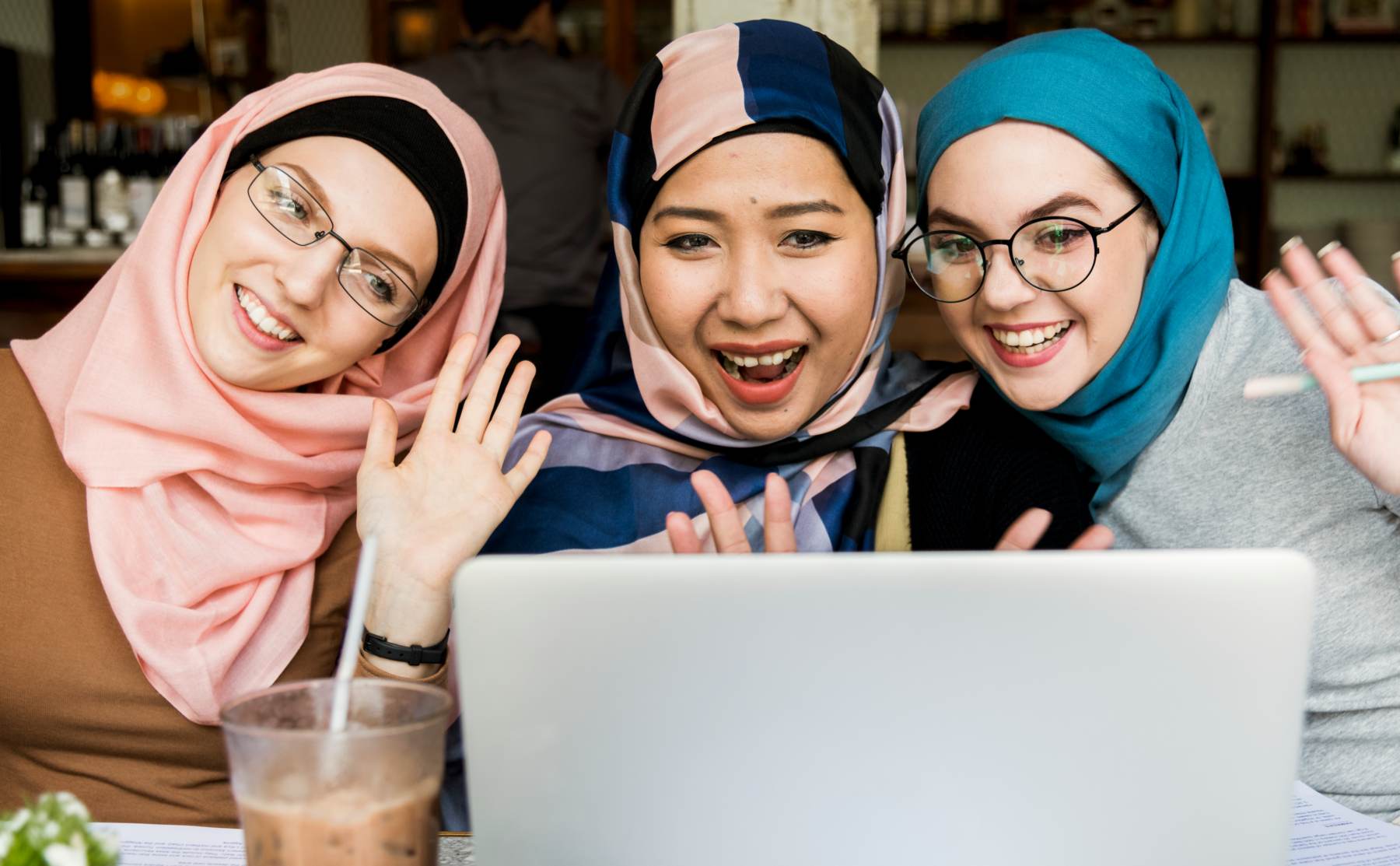
There were some more challenging aspects of the deen. Dressing modestly with loose clothing that covered everything but my hands and face, learning to pray properly, and fasting during Ramadan were a bit hard. Commitment and practice made those things possible, Alhamdullilah.
After 19 years of practicing Islam, I realize now that, in addition to the basics of my faith, there are also some subtle but wonderful life lessons that I learned from my Muslim friends. No lectures or classes taught me these skills. My sisters’ everyday behavior that enlightened and informed me.
1 – Hospitality
Sure, my culture and my family value hospitality, and I had always been taught to treat guests kindly and generously. But Muslims take hospitality to the next level. No matter what country they call home, Muslims have proven to me over and over that they are absolute pros at making guests feel honored, welcomed, and comfortable.
As a new Muslim, I was pleasantly surprised by the warm welcomes I received by my brothers and sisters in faith, but over the years I became accustomed to it and even took it for granted.
I hadn’t realized that my dear sisters’ excellent examples had rubbed off on me. I am now a more thoughtful hostess and a true ambassador of Islam.
Recently I invited over a non-Muslim friend and her children for a play date. When I served her freshly made coffee and cookies on a decorative tray, I felt I was merely doing my duty.
I made a few accommodations to help her keep an eye on her active toddler (blocking the dangerous stairs with a gate, offering a few age-appropriate snacks and toys).
I was just repeating some of the actions that my thoughtful friends had done for me throughout the years. It was not much, really, but it meant the world to my guest. She thanked me a dozen times for “pampering” her and showing kindness and hospitality that, to her, seemed remarkable.
I can’t take credit for it, though. My Muslim sisters showed me the way with their own generosity over the years.

2 – Wholesome fun
‘Can Muslims even have fun?’ I had wondered as a new convert. While abstaining from this culture’s typical components of a fun night out (alcohol, music, dancing, dating, flirting), I wondered how – or if – Muslims actually entertained themselves.
Then I met my close Muslim kin: positive, supportive, practicing, and sincere – but also fun-loving – sisters who showed me how to enjoy myself within the parameters of Islam.
At our ladies-only events we shared laughter and joyful companionship as we played party games, dressed up in our fancy clothes, let loose with funny stories and silly behavior that required no intoxicants and broke no Islamic rules.

Some of my happiest memories are of our lively ladies’ parties. Nearly two decades after transforming my life, I literally have never missed smoke-filled bars or raucous clubs. I’ve had much more fun with my Muslim friends.
3 – The influence of Muslim Friends
Most of the influencers on social media today are celebrities whose looks, money, and highly-publicized (often scandalous) behavior puts them in the spotlight. While some of them have actual talent, many of them are famous for no discernable reason.
My Muslim BFFs who promote their passions and expertise on social media are truly remarkable. As beautiful as they are, they are not getting likes by flaunting their bodies. They’re not boasting about their fancy cars or designer shoes, or engaging in scandalous behavior.
Instead, they are putting productive material on social media, promoting worthwhile messages about health, education, parenting, nutrition, exercise, homemaking, and many other topics that actually add value to scrolling through Instagram or Facebook.
As visibly Muslim women, they are influencing thousands of people and either directly or indirectly teaching their followers about Islam. They inspire me to remember that I will answer to Allah for whatever I put out in the world – whether IRL or online – so it should always be positive and halal.

The post 5 Life-Changing Lessons I learned From Muslim Friends appeared first on About Islam.
source https://aboutislam.net/family-life/your-society/5-life-changing-lessons-i-learned-from-muslim-friends/


Comments
Post a Comment