COVID & New Hijri Year: Muslims Reinvent Themselves
Muslims around the globe welcomed the holy month of Muharram and a new Islamic year last week.
Muharram is one of four holy months mentioned by Prophet Muhammad (peace be upon him) and categorizes as the second best month for fasting after Ramadan.
In addition to fasting, many Muslims use the month to contemplate on their lives, seeking to change habits to improve their personal development and lifestyles.
Like the solar New Year, Muharram offers people observing it with opportunities for inner reflection and instituting change or a need to consider the ones they have made.
 Read Also: A New Year… 3 Ways Lead to Forgiveness
Quarantines due to the COVID-19 pandemic also served as a catalyst for lifestyle changes. Several people confined in their homes adjusted their lives, some not so good.
The infamous “Quarantine 15” caused widespread weight gain among people engaged in social isolation. However, it has not been all bad.
Constant personal assessment is strongly encouraged in Islam. Muslims throughout the United States have engaged surveying and altering their lives and spiritual development during the pandemic and at a time of deep inner reflection.

Self-reliance
“For me, I am reminded of my reliance on God and we should prepare ourselves for self-reliance,” social activist, Marcus Allgood told AboutIslam.
“When the pandemic hit us, everything shutdown, including my job. We were laid off from work. People were worried about paying their bills and feeding their family, but I wasn’t worried at all for two reasons.
“I knew Allah would make a way for the believers, I’m bit of a doomsday-prepper. I had money saved up, and my cabinets were stacked. Also, I read from the “Army Survival Guide” to learn how to live off the land just in case supplies run out.
“People thought I was crazy at first. Until the crisis hit. It reminded me how Prophet Noah (a.s.) felt when he was building his arc. They thought he was crazy too, but he relied on Allah alone.”
Patience

In addition to increasing self-reliance, it’s also important to focus on financial prospects and professional transitions.
“Alhamdulillah, we are saving more money,” Dr. Will Deyamport said. “That has been a goal of ours to put away more money for when things come up.”
Dr. Deyamport, an educator, explained how the pandemic and demand for instructors to shift to online learning required that he exercise more patience.
New Skills

“I know there’s a lesson here, and that I am being tested. To be frank, I am having a challenging time with patience and getting angry. The transition to online learning is both exhilarating and filled with a lot of moving parts that seem to point in my direction.
“I am so busy at work with calls and requests and questions about so many things that I am getting frustrated.
“I know I am blessed to have a job I like, and I haven’t had to take a pay cut during the pandemic. But I am tired. I remind myself of this whenever the frustration begins to boil. I know I need to pray more and read the Qur’an more.”
University professor, Dr. Shabana Mir described her shift in focus from academics to tactile and practical activities during her quarantine.
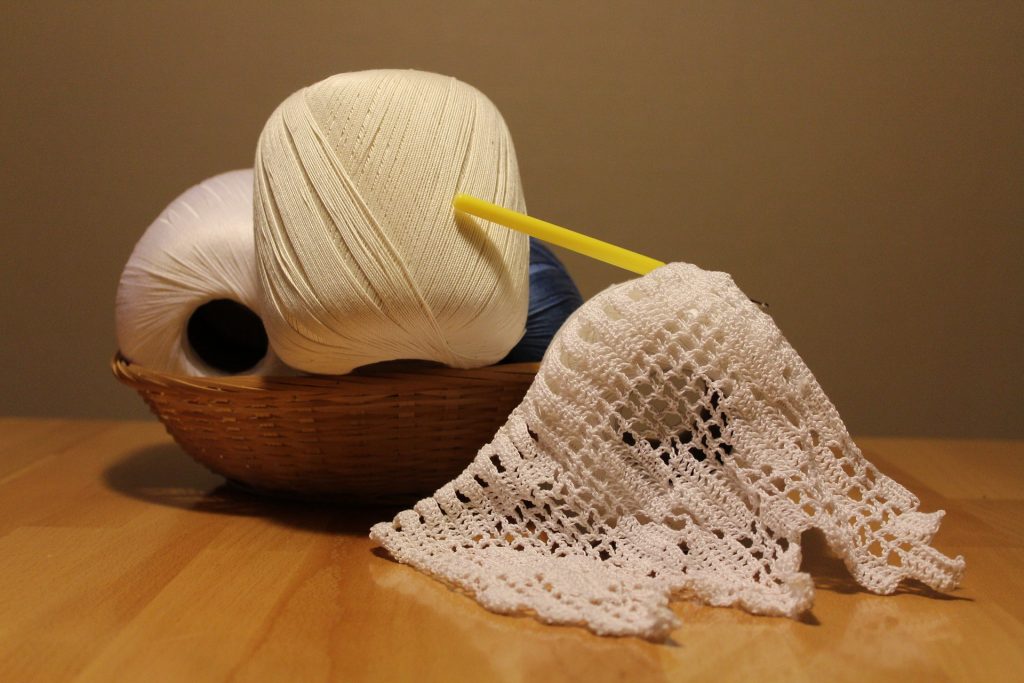
“I did a lot of new baking and cooking and starting knitting and crochet. I wanted to activate a different part of my brain because academics are often so impractical and theoretical, and full of words, distanced from sensory experience and real life.”
Dr. Mir did not let self-isolation prevent her from keeping the lines of communication open. “Social distancing made me even more distant from other people in real life. I make more of an effort to connect with people via video chat than work-weeks permit.”
As COVID-19 progresses along with the Islamic calendar, and becomes a settled reality in their lives, Muslims continue to learn lessons about themselves and use their new way of living and faith to reinvent themselves.
The post COVID & New Hijri Year: Muslims Reinvent Themselves appeared first on About Islam.
source https://aboutislam.net/muslim-issues/n-america/covid-new-hijri-year-muslims-reinvent-themselves/


Comments
Post a Comment