Mother of Moses – A Story of Reliance on God
She was a mother. And like all mothers, she adored her child.

But he was a baby boy born at a time when boys were not allowed to live.
He was Moses (peace be upon him). And his mother was faced with the horror inflicted by the great tyrant, Pharaoh.
Out of fear that he would someday be defeated, Pharaoh ordered his soldiers to kill all baby boys born to the Children of Israel.
When Prophet Moses was born, his mother feared for his life. There seemed to be no way out. But, as is often the case when you can see no other way, God was there for her.
God says in the Quran what means:
We revealed to Moses’ mother, “Suckle him and then when you fear for him, cast him into the sea. Do not fear or grieve; We will return him to you and make him one of the messengers.” (28:7)
Imagine for a moment what she is being asked to do. Imagine placing your newborn child into the sea.
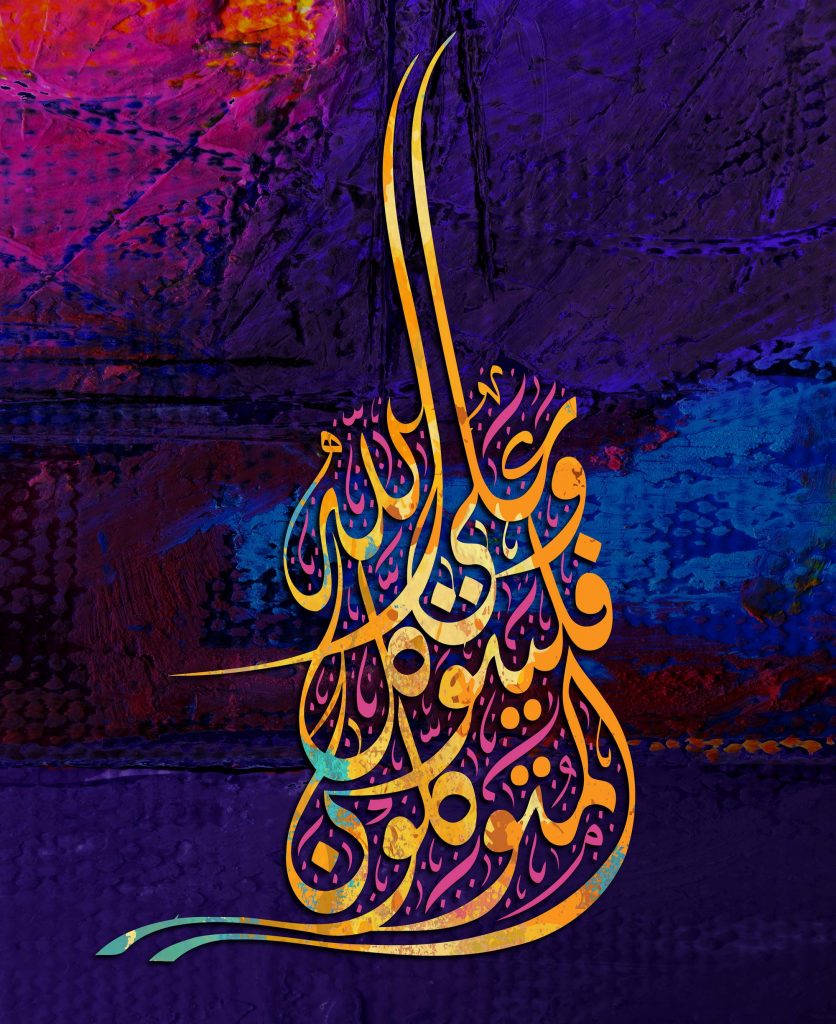
But imagine also being given something else that is priceless. Imagine being given the promise of God.
The mother of Moses is being promised that she does not need to fear or grieve because her Lord will protect her son and return him to her. Even more, God is promising her that her son will become a messenger.
Just as God promised, baby Moses was found by the wife of Pharaoh. God says in the Quran what means:
The family of Pharaoh picked him up so that he might be an enemy and a source of grief to them. Certainly Pharaoh and Haman and their troops were in the wrong. The wife of Pharaoh said, “A source of delight for me and for you; do not kill him. It may well be that he will be of use to us or perhaps we could adopt him as a son.” They were not aware. (28:8-9)
Her Trust in God
At a time when things looked impossible, God asked a woman to put her trust in Him. In exchange for that trust, God promised her His protection.
God always keeps His promises. And he kept His promise to her. In fact, as a show of His power, God even made that protection be found with the very enemy who was feared.
God says about Prophet Moses in the Quran what means:
When We revealed to your mother: “Place him into the chest and throw it into the sea and the sea will wash it up on the shore, where an enemy of Mine and his will pick it up.” (20:38-9)

In this is a great sign and lesson. God showed her and all people that even if one’s neck is under the knife of a killer, if God is protecting you, that killer can do no harm to you.
Lessons from the Story
In this story, there is also a great lesson in reliance on God. Through this story, God shows humanity that only through putting our whole trust in Him, that can we truly be saved.
Had the mother of Moses chosen instead to rely on herself or the apparent safety of her own home, her son would have been killed. But by trusting in God, she saved her son and was saved from grief.
We know from this story that no matter how impossible it may seem, the promise of God is always true.
God says in the Quran what means:
That is how We returned him to his mother, so that she might delight her eyes and feel no grief, and so that she would know that God’s promise is true. But most of them do not know this. (28:13)
In the Quran, God tells us these stories to teach us that which most of us do not know. In the story of the mother of Moses is a profound lesson of trust in the power and promise of God.
And it is only in that trust that we can find protection even between the hands of our enemies.
(From Discovering Islam’s archive.)
The post Mother of Moses – A Story of Reliance on God appeared first on About Islam.
source https://aboutislam.net/reading-islam/finding-peace/trusting-allah/moses-mother-the-story-of-reliance-on-god/


Comments
Post a Comment