List of Times and Places Where Dua is Accepted
A short reminder regarding the recommended times of dua. And I think what you need to know here is that the recommended times of dua or recommended things that can cause your dua to be accepted, can be divided into two sort of large groups:

- Situations where your dua is accepted.
- Times where your dua is accepted
So I’m going to very briefly mention them one after the other as much as possible.
As for situations where your dua has been accepted:
– The person who has been wronged or oppressed.
– A person who finds themselves in severe difficulty after a calamity has struck.
– The person who is traveling.
– Someone who is fasting.
– The one who is reciting the Quran or has just recited the Quran
– Someone who is performing Hajj or Umrah or jihad.
– The one who is making dua for someone in their absence. Because we know that when you make dua for someone in his absence an angel says: “Ameen and to you”.
– A person who is in a state of remembering Allah constantly.
– The just ruler.
These are some of the situations that the scholars mentioned that if you find yourself to be in this situation, this is a situation where your dua will be accepted.
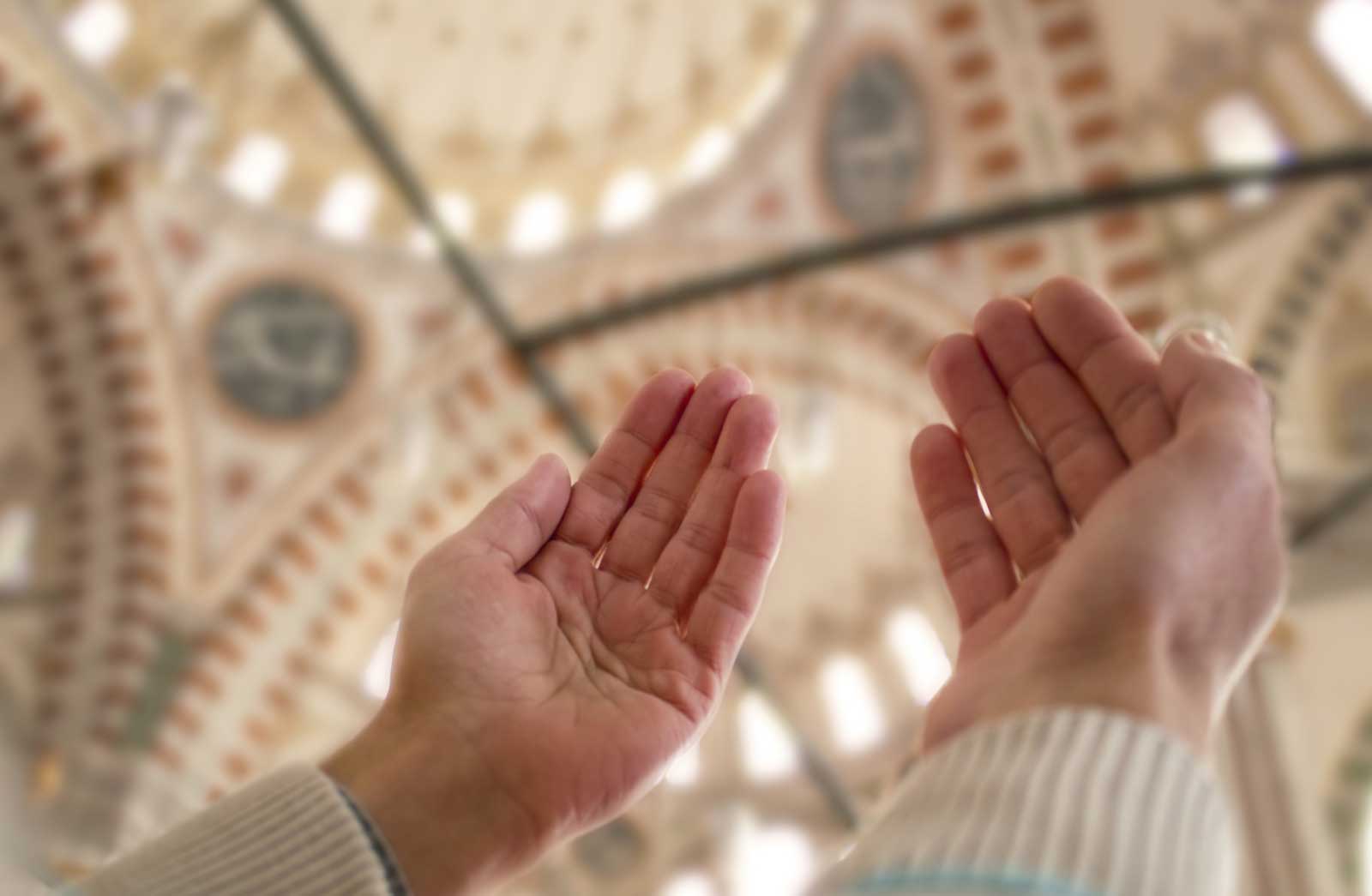
Times of Dua Acceptance
As for times of the day, or the week, or the month of the year when your dua is accepted, then:
– The last third of the night: So divide the night between Maghrib and Fajr into three pieces, the last third of the night.
– When the Adhan is called. So between the Adhan and the Iqamah, after the Adhan and then between the Adhan and Iqamah.
– During the prayer: The closest that a slave is to his Lord is when he is in a state of prostration.
– While prostrating, and before the end of the prayer, after you have finished the tashahhud.
– After the prayer, once you have finished your adhkar, your dhikr that you make after the prayer.
– An hour on Friday, or a period of time on Friday, and the scholars disagreed over when this is. Some of them said that it is when the Imam sits down between the two khutbahs. And some of them said that it is at the last period of time before Maghrib… and they have other opinions.
But frequently making dua on Friday particularly when the Imam sits down between the two khutbahs, and after the Khutbah, and then frequently making it, and just before Maghrib on a Friday.
These are times when the scholars mentioned that your dua is accepted.
– When waking up at night, after performing wudu.
– Before drinking Zamzam because Zamzam is whatever it is drunk for.
– During the month of Ramadan.
– Dua on laylat-ul-Qadr, on the night of the decree.
– While visiting the sick.
– When the rain falls.
– Du’a at the crowing of the rooster.

Conclusion
All of these are times that are mentioned within the Sunnah and situations that are mentioned within the Sunnah of the prophet (peace be upon him) in which your du’a is accepted.
So it’s for us to learn them and to put them into practice and to become people who frequently make du’a at all times and in all places.
Because, for example, if we look at the Friday, if you’re frequently making du’a on that Friday all the way through, Inshallah you’re going to hit that hour in which your du’a is accepted.
And so this is about us frequently making du’a and about us learning the situations in which our du’a is accepted.
This is a summary of this video.
The post List of Times and Places Where Dua is Accepted appeared first on About Islam.
source https://aboutislam.net/reading-islam/finding-peace/remembering-allah/list-of-times-and-places-where-dua-is-accepted/


Comments
Post a Comment