5 Ways to Seize the Day of ‘Arafah
When it comes to Muslims, there is nothing more spiritually powerful and fulfilling in the month of Dul-Hijjah than to follow the footsteps of the Prophet Muhammad (PBUH) by increasing the good deeds, asking Allah for forgiveness and performing the spiritual journey of Hajj.
But, what about those who are not going to hajj? Is there some blessings left for them?
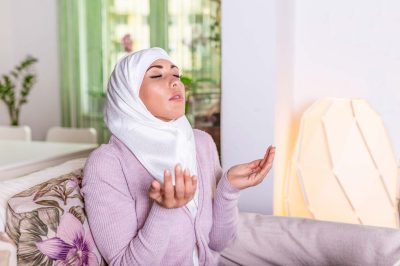
The answer is YES. The first ten days of Dul-Hijjah are full of blessings. Let alone the 9th day, which is the day of ‘Arafah ; it’s a very special day for all Muslims whether on Hajj or not.
In order to show the importance of the first ten days of Dhul-Hijjah, Prophet Muhammad (PBUH) said:
“There are no days in which righteous deeds are more beloved to Allah than these ten days.” The people asked, “Not even Jihad for the sake of Allah?” He said, “Not even Jihad for the sake of Allah, except in the case of a man who went out, giving himself and his wealth up for the cause (of Allah), and came back with nothing” – (Bukhari)
Here are ways to reap the most benefits during this holy month, especially during the blessed ten days and during the day of ‘Arafah:
1. Fasting
Fasting is one of the most important acts of worship during the first ten days of Dhul-Hijjah, especially on the day of ‘Arafah. Fasting on the day of `Arafah removes our sins for two whole years, the previous year and the coming one.
“One who fasts sincerely on the day of Arafah will receive forgiveness of his/her sins for the previous and following year.” – (Kitab Al-Sawm) Sahih Muslim :: Book 6 : Hadith 2603
2. Dhikr – Rememberance of Allah
This blessed day is all about doing good deeds which will be highly regarded in the eyes of Allah. Remembering Allah during this day is the best thing to do.
Recite: “SubhanAllahi wa bihamdihi, SubhanAllahil Adheem” (Glory be to Allah and all praise is due to Him).
“Two words (subhanAllah wa bihamdihi) are light on the tongue, weigh heavily in the balance, and are loved by the Most Merciful One.” – Prophet Muhammad (PBUH) – (Bukhari)
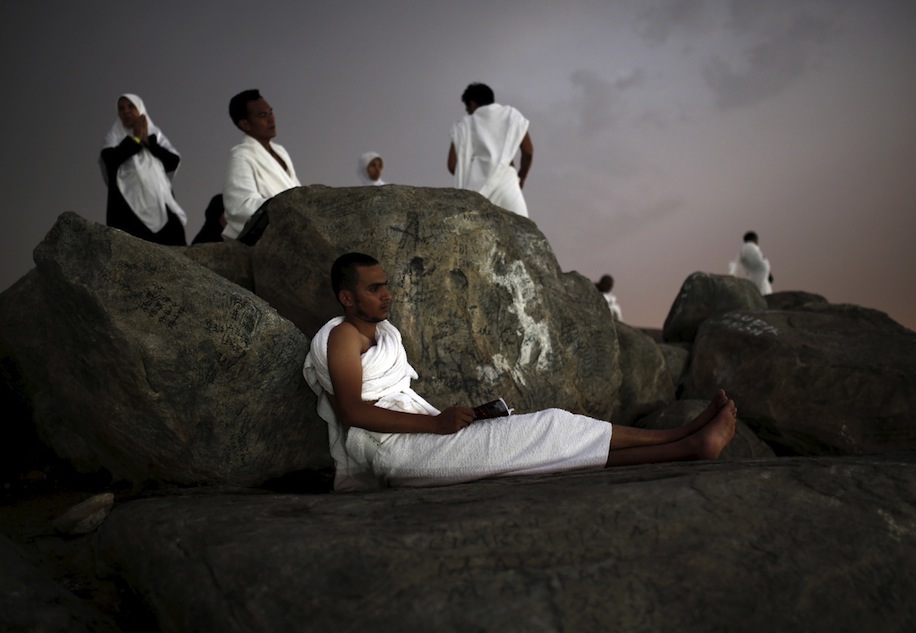
3. Tasbeeh, Tahmeed, Takbeer and Tahleel
These four kinds of dhikr are to be recited as much as possible on the day of ‘Arafah.
Tahleel means “Laa ilaaha il-lal-laah”
Tahmeed means “Alhamdulillaah”
Tasbeeh means “Subhanallaah”.
Takbeer means “Allahu Akbar”
4. Recite Quran
Though one should recite Quran on a daily basis, this day holds special importance as every good deed is multiplied and the verses of Quran seek for forgiveness of Allah.
5. Make Du’a
Prophet Muhammad (PBUH) said:
“The most excellent dua is the dua on the Day of ‘Arafah, and the best of what I and the prophets before me have said, is “There is nothing that deserves to be worshiped in truth except Allah, He is Alone and has no partner, to Him belongs the dominion and to Him belongs all praise, and He is All-Powerful over all things.” (Tirmizi)
Make du’a as much as you can. Seek Allah’s forgiveness and ask for all what you want! Keep making du’a till the time of iftar (Maghrib)
Muslim reported from `A’ishah that the Prophet (peace and blessings be upon him) said,
“There is no day on which Allah sets free more slaves from Hell than He does on the Day of `Arafah.”
The post 5 Ways to Seize the Day of ‘Arafah appeared first on About Islam.
source https://aboutislam.net/family-life/self-development/not-going-hajj-heres-5-ways-seize-day-arafah/


Comments
Post a Comment