Dhul-Hijjah 5: How to Become a Person of Dhikr
Prophet Muhammad (peace be upon him) said:
“Allah the Almighty said: ‘I am as my slave expects me to be, and I am with him when he remembers me. If he remembers me to himself, I remember him to myself. When he remembers me in a gathering, I remember him in a gathering better than it.
If he were to approach me a hand-span I would approach him an arm-span… If he were to come to me walking, I would come to him running.” (Al-Bukhari and Muslim)
What Are the Benefits of Dhikr?
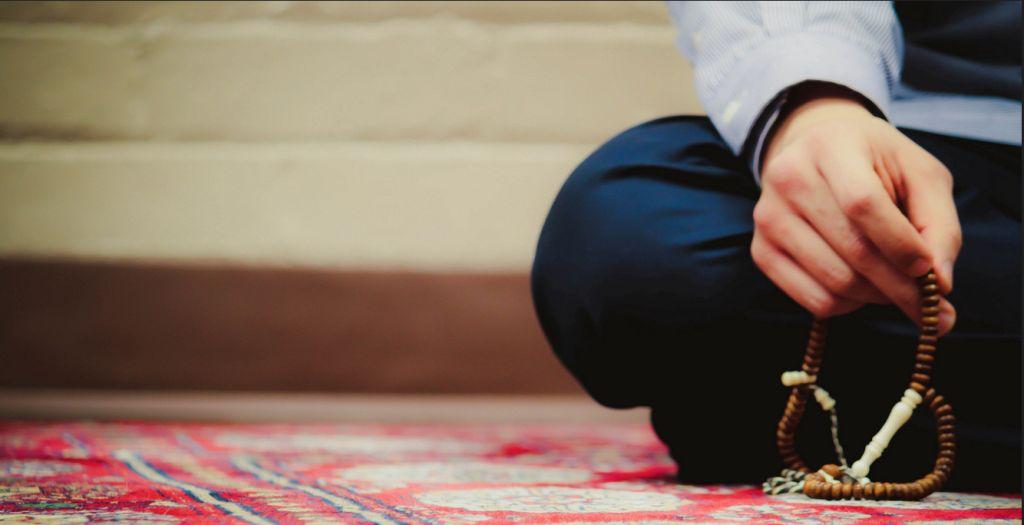
One of the benefits of Dhikr is being with God. It envelopes you in divine protection. Dhikr keeps you in the best of company, even when you are by yourself.
God is with all of his creation: through His knowledge, His power, and His encompassment. Nothing escapes him or incapacitates him. We read in the Quran what means:
{He knows what penetrates into the earth and what emerges from it and what descends from the heaven and what ascends therein; and He is with you wherever you are. And Allah, of what you do, is Seeing.} (Al-Hadid 57:4)
There isn’t a single thing in creation except that God knows it, encompasses it, and is under His sight and control.
There is a special sense of being with God that is greater than this. It was gifted to the Prophets and Messengers. Allah said to Moses and Aaron: {Fear not. Indeed, I am with you both; I hear and I see.} (Taha 20:46)
The Prophet (PBUH) said to Abu Bakr while they were in the cave during the Hijrah: “Fret not: God is with us.”
How to Attain Being with Allah?

This sense of being with God is only obtained by those that fulfill two conditions; 1- they are mindful of their Lord (Taqwa) and 2- perform acts of exceeding beauty (Ihsan).
We read in the Quran:
{Indeed God is with those that are mindful and those that exceed in beautiful deeds (Muhsin).} (An-Nahl: 16: 128)
One key to reaching these two stations is by becoming a person of dhikr; a person whose tongue is always moist with God’s name; a person that cuts off all connections to his heart other than his Creator.
The person who reaches a state of Ihsan (perfection), is a person who already has Iman (faith) and Islam permeating his being.
His statements and actions are in line with God’s will. Remembering Allah takes him from levels of mere practice to levels of constant recollection of Allah’s right to be worshipped.
He embodies the meaning of the Prophet’s statements: “even though you cannot see Him, know that He sees you.”
His actions, statements, even the breath he breathes seems to verbalize dhikr. His intentions and desires follow Allah’s pleasure. The Prophet (peace be upon him) said in the hadith Qudsi, Allah says:
“My slave never ceases to draw close to me with anything better than what I have obliged him to perform. Then he continues to draw close to me with his extra actions until I love him. When I love him I become his hearing through which he hears, his sight through which he sees, his hand by which he grasps, and his foot by which he walks. If he were to ask me, I would give him. If he were to seek refuge with me, I would secure him.” (Al-Bukhari)
It all starts with you
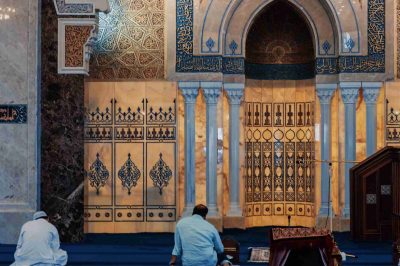
The key to all of this starts with you. Expect good and you will find it. Expect God and you will find Him. We read in the Quran:
{Remember Me, I will remember you. Give thanks to me and do not be ungrateful. O you who believe: Seek help with patience and prayer; Allah is with the patient.} (Al-Baqarah 2:153)
Join Imam Joe Bradford and learn how to attain the state of being with God during Dhul-Hijjah days.
Source: JoeBradford
The post Dhul-Hijjah 5: How to Become a Person of Dhikr appeared first on About Islam.
source https://aboutislam.net/shariah/refine-your-heart/advice/dhul-hijjah-5-how-to-become-a-person-of-dhikr/


Comments
Post a Comment