The Power of Prayer: 10 Benefits of Salah in Islam
Salah is the most important pillar of Islam, second only to declaring the oneness of God. It is the first duty ordained upon every messenger from Adam to Muhammad. Allah told Prophet Musa (peace be upon him), “Truly I am God, there is no god but I. So worship Me, and perform the prayer for the remembrance of Me.” (Taha 20:14)
Salah is integral to our faith and a sure means of salvation. It is the key to paradise and has countless benefits. Understanding the importance of Salah can help us consistently pay attention to its performance.
Here are ten benefits of Salah:
1. Salah is a direct line of communication between us and Allah, our Creator and Sovereign Lord. In a Hadith Qudsi, Allah refers to it as a dialogue and exchange between Him and His servant. Through Salah, we can have a direct connection with Allah without any intermediaries or intercessors. It bestows dignity upon us and dispenses with intermediaries who diminish our spiritual worth.
2. Salah is the hallmark of faith, as it sets believers apart from others.
3. Salah serves as a light that illuminates our passage through the challenges and ups and downs of the world. It saves us from being swept away by temptations that keep us away from the meaning and purpose of life. In the next world, when we rise from the dead, thanks to the effects of Salah, the light will shine forth from our front, back, right, and left as others are stumbling aimlessly, gripped with terror and fear.
4. Salah guarantees us paradise and spares us from the dismal fate of tyrants like Pharaoh, Nimrod, Qarun, Haman, and the wicked, who will suffer perpetual torment in hellfire.
 Read Also: 5 Daily Prayers and 5 Opportunities for Forgiveness
5. Salah is a means of expiation and redemption; it helps erase the minor sins and mistakes we make day and night, as long as we avoid the most serious sins.
6. Each step we take towards the mosque to perform Salah helps erase sin and raise our spiritual status in the eyes of Allah.
Time Management and Responsibility
7. Conditioning ourselves to pray at the appointed time also helps us manage our time and be mindful and productive.
8. The mindful performance of Salah restrains us from lewdness and obscenity, helping us to purify our morals and character.
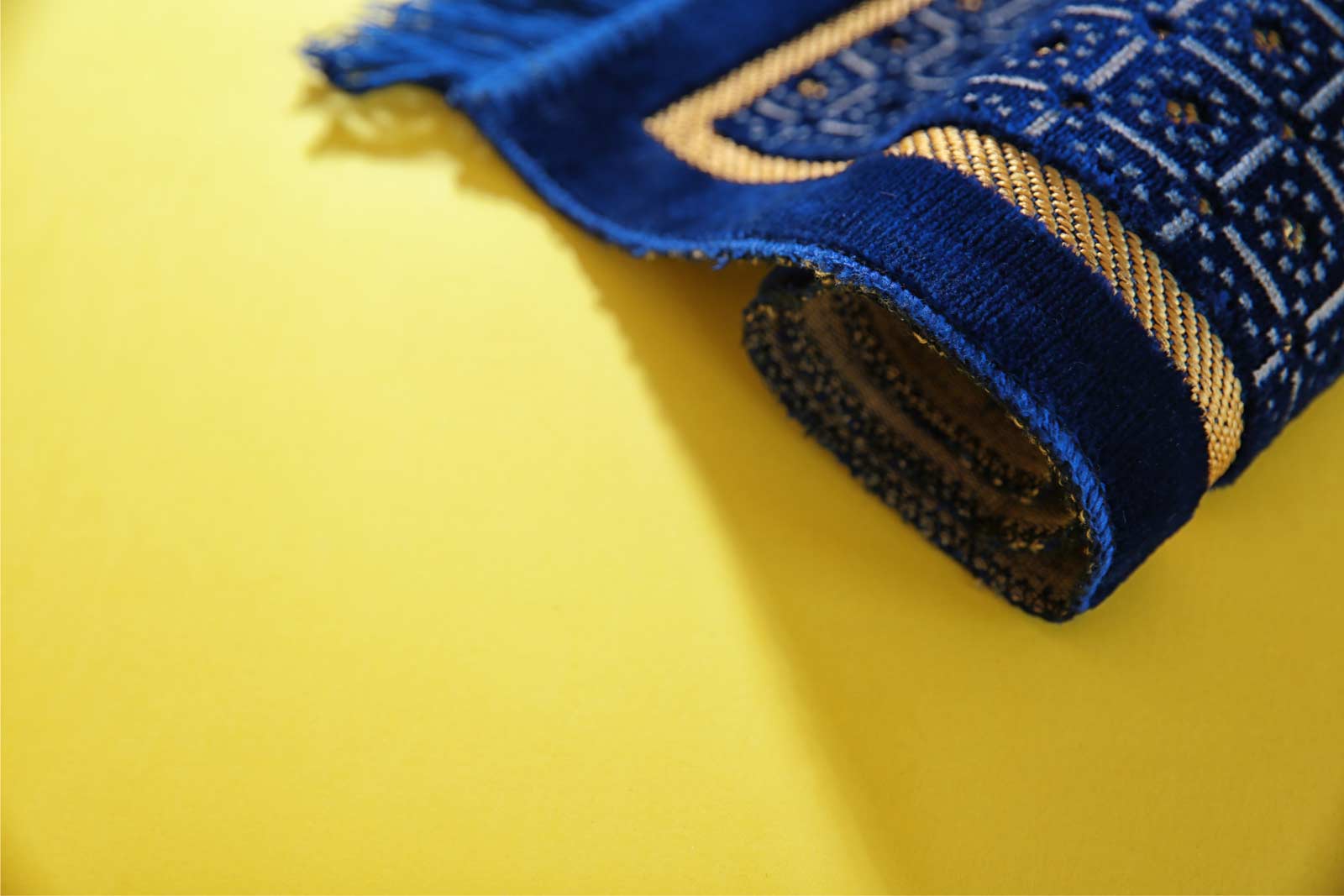
9. Salah imparts a sense of responsibility, reminding us of our final standing before Allah on the Day of Reckoning.
10. Lastly, Salah serves as a spiritual boost that empowers us spiritually, helping us navigate through the rough waters of mundane life, which is full of trials and tribulations.
It is no wonder that the Prophet (peace and blessings be upon him) referred to Salah as the single most source of joy for him in this world.
I pray that Allah honors us to perform Salah diligently and mindfully, making it a source of light and comfort for us in this life and the next.
The post The Power of Prayer: 10 Benefits of Salah in Islam appeared first on About Islam.
source https://aboutislam.net/shariah/refine-your-heart/advice/the-power-of-prayer-10-benefits-of-salah-in-islam/


Comments
Post a Comment