Mi futuro marido me inspiró para aceptar el Islam
El respeto y educación que quien sería mi futuro marido me inspiró a aceptar el Islam.
Me crié en una familia católica tradicional en Ecuador. El servicio dominical y la Virgen María eran partes importantes en mi vida. Fui una niña y una adolescente obediente. No cuestioné mi religión y seguí lo que me decían mis padres y familiares mayores.
Y aun así disfrutaba de la vida. A la gente en Ecuador le gustan las celebraciones, juntarse y comer. Me gustaba bailar y cantar. Pero también quería tener éxito en la vida. Terminé el bachillerato y, como fui una de las que obtuvieron las mejores notas, solicité varias becas en el extranjero. Entonces, estaba interesada en la ingeniería y las cosas técnicas.
Cuando me seleccionaron para una beca en Alemania, estaba muy emocionada. Compré un pequeño libro para aprender alemán. El único disponible en ese momento en la librería. Tres meses más tarde comencé mi nueva vida en una pequeña ciudad universitaria en el oeste de Alemania.
Muchos estudiantes musulmanes

Después de llegar a Alemania asistí a un curso de alemán durante un año. Allí conocí a muchos otros estudiantes internacionales. Muchos de ellos eran de Marruecos, Siria y Egipto.
Durante mis estudios también conocí a muchos estudiantes musulmanes. En ese momento, antes del 11 de septiembre, no había mucha cobertura mediática sobre el Islam. Yo no estaba muy interesada en el Islam. Respetaba la religión de los estudiantes musulmanes y ellos respetaban la mía. No hablábamos mucho de religión. Excepto con un estudiante que luego se convirtió en mi esposo. Ahmed era diferente.
Sin citas
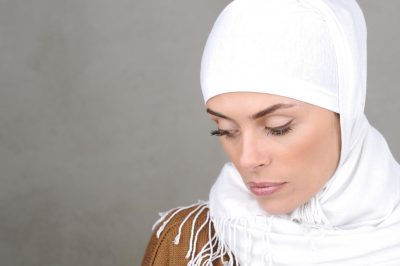
Al principio de estar en Alemania, veía mucho a Ahmed porque estábamos en el mismo grupo de estudio. Nos reuníamos dos o tres veces por semana con dos estudiantes alemanes para mejorar nuestras habilidades lingüísticas.
Ahmed siempre estaba en modo profesional. Al menos eso es lo que yo creía. No se unía a nosotros cuando íbamos a tomar algo después de nuestras sesiones de estudio. Y nunca trató de invitarme a salir.
En realidad, fue esto último lo que más me impresionó. O sea, para mí era normal salir a tomar un café o al cine. Y como me gustaba su manera tranquila y respetuosa, un día lo invité a salir. Él declinó cortésmente. Y yo me quedé desconcertada.
La familia musulmana ideal

Más tarde, le pregunté a Ahmed por qué rechazó mi invitación para quedar conmigo a solas. Me explicó que esto no estaba permitido según su comprensión del Islam. Además me explicó la importancia de una vida familiar sana. Y el matrimonio es parte de ello. Es por eso que en el Islam existen ciertas reglas para ayudar a las personas a crear una familia feliz.
Tener citas antes del matrimonio o ser novios puede ser perjudicial para el futuro matrimonio. Ahmed me explicó que esto haría que las bendiciones de Dios desaparecieran. Estaba aturdida. Era mucho que digerir. Y me llevó algunas semanas darme cuenta realmente en lo que Ahmed me había dicho.
En busca de una familia feliz

Siempre había soñado con tener una familia feliz y bendecida. Sin embargo, lo que había observado en mi entorno inmediato era desalentador. Muchos matrimonios rotos. Ser infieles al cónyuge. Un gran número de divorcios. Familias infelices y niños tristes que no quieren tener que elegir entre su madre y su padre.
La actitud de Ahmed me impresionó. Y lo que me dijo sobre la posición del Islam con respecto al matrimonio y la familia me impresionó aún más. Realmente pensé en hacerme musulmana, no porque me enamorara de Ahmed, sino porque me enamoré de lo que me dijo sobre el matrimonio y la familia en el Islam.
Mi shahada

La siguiente vez que vi a Ahmed en nuestra clase de alemán le dije que quería saber más sobre el Islam. Ahora fue él quien se sorprendió. Sonrió y me dijo que pensaba que ya no querría hablar más con él. Durante las siguientes semanas, me habló sobre el Islam durante nuestro descanso para comer en la cafetería del campus.
Y un día me preguntó si estaba lista para abrazar el Islam. Estaba esperando esta pregunta. Y dije que sí. Me dijo me encontrara con él en el centro islámico por la tarde.
La mayoría de los estudiantes musulmanes que conocía de mis clases de alemán estaban allí. Y otras personas a las que no conocía en ese momento. Ahmed me presentó a un hombre alto con un vestido blanco y un gorro de oración blanco, el imán del centro islámico. El imán me preguntó de nuevo si quería convertirme al Islam. Y dije que sí. Luego recitó la declaración de la creencia y yo la repetí después de él. Alhamdulillah.
Una sorpresa
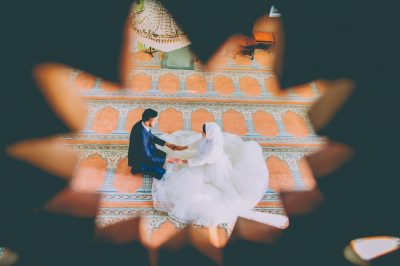
Pero mi shahadah no fue la única alegría del día. Después de que hacer mi shahada, algunas mujeres se me acercaron y me dieron un hermoso pañuelo y algunos libros. Nos abrazamos y me ayudaron a ponerme el pañuelo.
Entonces el Imán se nos acercó y dijo que Ahmed quería preguntarme algo. Y frente a todos Ahmed me pidió que fuera su esposa. Yo no lo podía creer. Todo el mundo estaba en silencio. Y Ahmed solo me sonreía. Me pareció una eternidad. Y entonces simplemente dije que sí.
Esto fue hace veinte años. Todavía estamos felizmente casados y tenemos tres hijos. Alhamdulillah. Las alabanzas pertenecen a Allah.
Traducido del inglés del archivo de About Islam: My Future Husband Inspired Me To Accept Islam
The post Mi futuro marido me inspiró para aceptar el Islam appeared first on About Islam.
source https://aboutislam.net/es/mi-camino-al-islam/mi-futuro-marido-me-inspiro-para-aceptar-el-islam/


Comments
Post a Comment