70-Year-Old Muslim: I’ve Spent Decades Supporting Vulnerable Aussie Women
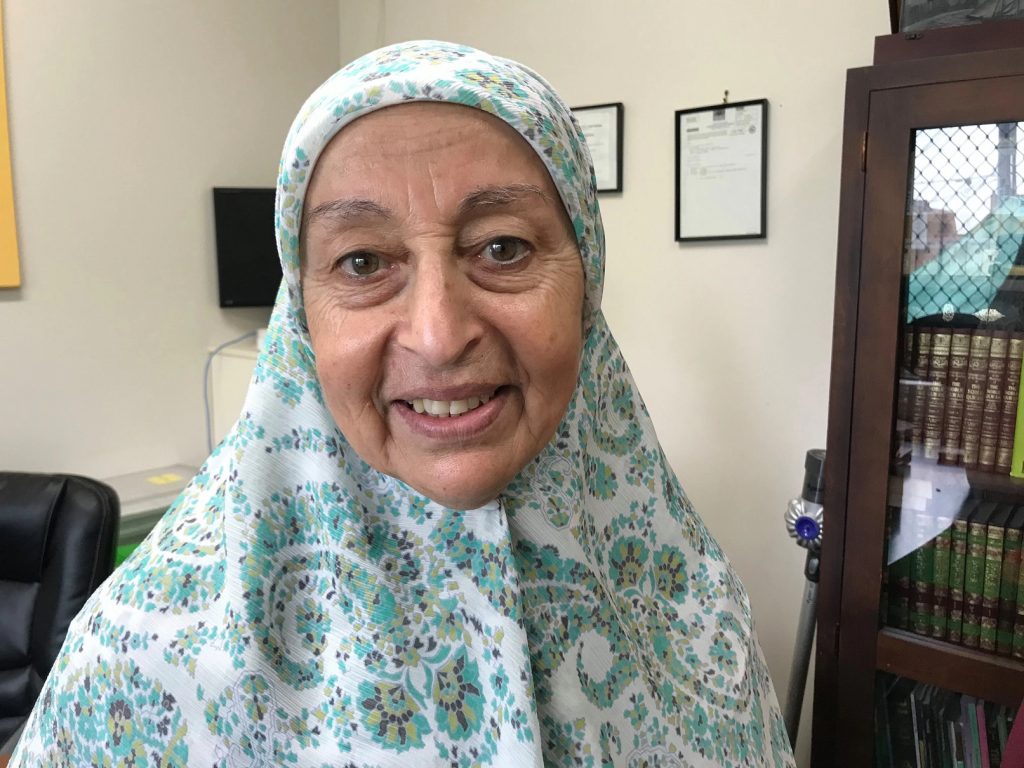
Abla Kadous, an Egyptian woman who moved long decades ago to Australia, is an icon who helps set up the country’s first welfare service for Muslim women
“If anyone comes with a problem, I never send anyone away. First of all, I sit with them and I discuss it with them and I see which area,” she told SBS News.
“If it’s a small issue, not physical abuse, if she has problems with raising the children or just a little disagreement with the husband, I can help them here. But if it’s bigger than that, I refer them to the correct service.”
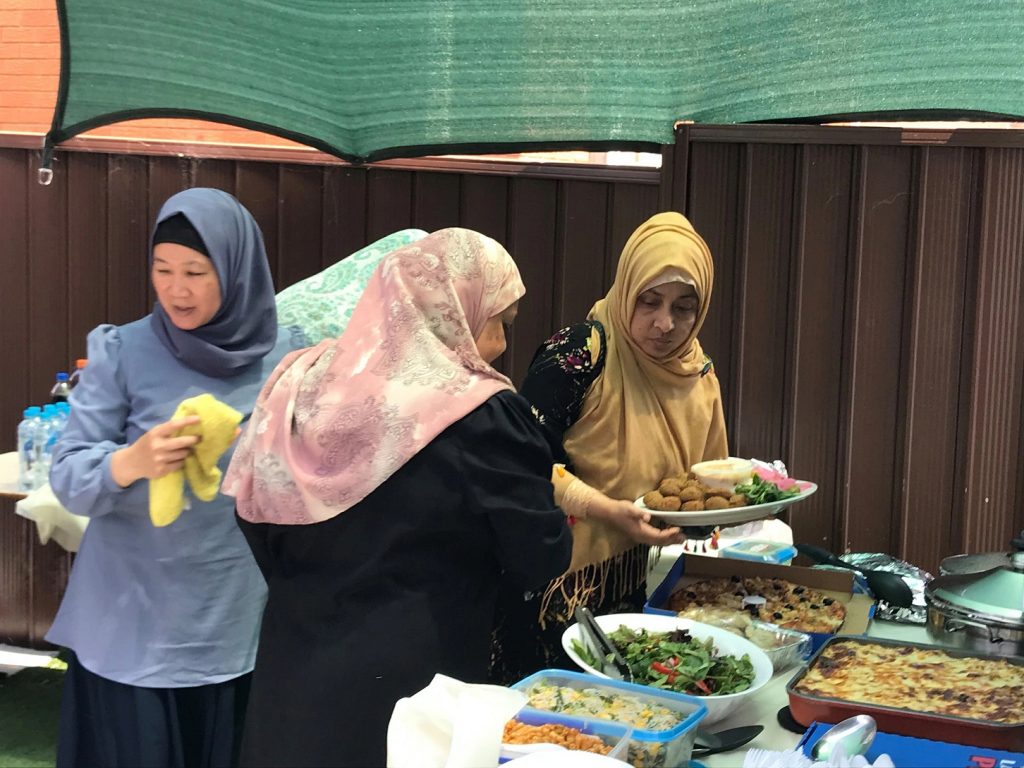
The Islamic Women’s Welfare Association (IWWA) is a not-for-profit organization in Lakemba, an area where about half of the residents identify as Muslim.
The association, set up in 2000, provides programs and services for about 150 women and 300 children each week.
They include childcare, camps for teenage girls and Arabic language schools, as well as welfare and referral services for at-risk women who need extra support.
Decades of Work
The IWWA is not the first fruit of Abla’s volunteer work.
In the 1980s, she started volunteering with a group of women to shelter those fleeing domestic violence.
In 1983, they set up Australia’s first welfare service specifically for Muslim women.
The group would house women and sometimes children in their own homes until alternative accommodation could be found.
“Sometimes it happened on the weekend: ‘Can anyone take care of her until Monday and we can find a solution for her?’ The need was there for those women who did not have anywhere else to go.”
More than 35 years on, the Muslim Women’s Association is still going strong to provide a broader range of services.
“Honestly, working in this center is my life,” Abla said.
“I have five children and they all say, ‘this is your sixth child’.
“I spend nearly every day here. I volunteered for 35 years working for the community, the last 20 being in this place. So it is my house, my second house.”
Abla was recently recognized for her volunteer work by the New South Wales government, which named her 2019 Senior Volunteer of the Year.
“I cannot say at any time that this is my last year. I want to be working until the last day of my life. I feel I am healthy enough to do that and everyone supports me.”
20 Years of Work
According to the 2016 Australian Census, the number of Muslims in Australia constituted 604,200 people, or 2.6% of the total Australian population, an increase of over 15% of its previous population share of 2.2% reported in the previous census 5 years.
IWWA was established in the year 2000 to meet the growing religious and social needs of Muslim women and their families from all backgrounds in Sydney, Australia.
Currently, IWWA runs programs and services that cater to approximately 150 women and 300 children each week.
Some of these activities include:- Playgroup, Nursery, Pre Kindy Class, Teenage Girls Programs and Camp, Weekend Arabic Language Schools at Wiley Park and Birrong, Qur’an memorization and Tajweed.
It also provides welfare and referral services to women and refugees, information sessions as well as social events and achool holiday activities.
The post 70-Year-Old Muslim: I’ve Spent Decades Supporting Vulnerable Aussie Women appeared first on About Islam.
source https://aboutislam.net/muslim-issues/australia/70-year-old-muslim-ive-spent-decades-supporting-vulnerable-aussie-women/


Comments
Post a Comment