What Studying Muhammad Taught Me About Islam
In this short piece, I want to share with you what I have learned about Muhammad and how his legacy informs my understanding of Islam.
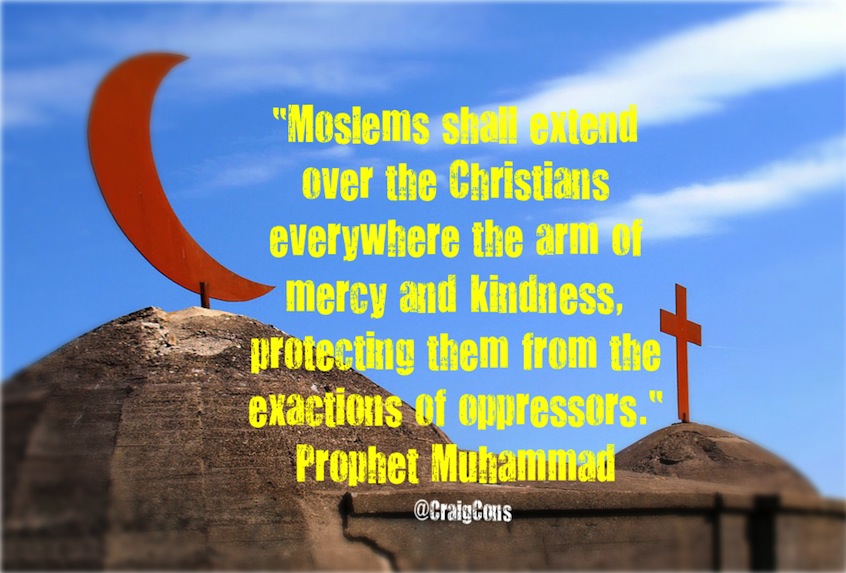
Protector of Religious Minorities
Muhammad’s beliefs on how to treat religious minorities make him a universal champion of human rights, particularly as it pertains to freedom of conscious, freedom of worship, and the right for minorities to have protection during times of strife.
The Covenant with Christians
Muhammad initiated many legal covenants with Christians and Jews after establishing his Muslim community. For example, in one covenant with the Christian monks at mount Sinai in Egypt, Muhammad called all Muslims to respect Christian churches and for no Muslim to fight against his Christian brother or sister.
Through this agreement, Muhammad made it clear that Islam, as a political and philosophical way of life, respected and protected Christians.
The Madinah Charter
In the constitution of Madinah, a key document which lead out a societal vision from Muslims, Muhammad also singled out Jews who, he wrote:
… shall maintain their own religion and the Muslims theirs. The close friends of Jews are as themselves.
Similarly, in the treaty of Maqna, the Prophet stated that Jews may be in peace under his rule. In safeguarding the rights of Jews, Muhammad made it clear that a citizen of an Islamic state didn’t have to follow Islam and that Muslims should treat Jews as they would their own friends.
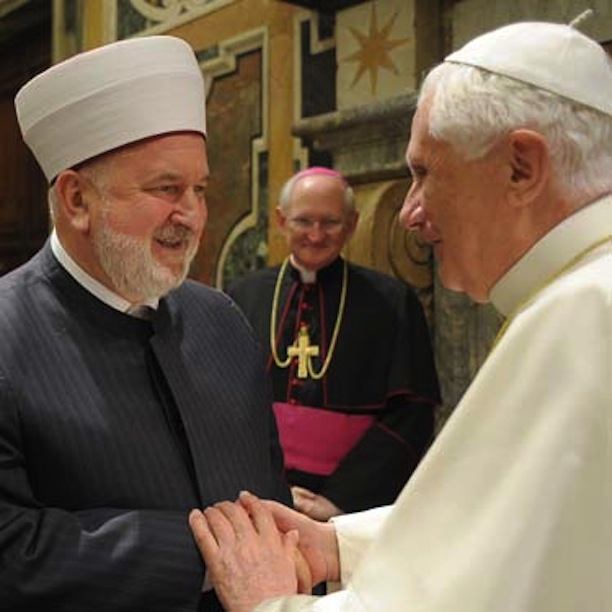
In developing these arguments with these fellow Muslim, Christians, and Jews, Muhammad clearly rejected elitism and racism and demanded that Muslims see their Abrahamic brothers and sisters as equals for God.
Lessons from Muhammad’s Last Sermon
According to Muhammad, humanity was at the heart of Islam. In my reading and interpretation of his last sermon at mount Arafat in 632, I learned that the Prophet fought against racism long before Martin Luther King and Nelson Mandela.
In this sermon, Muhammad argued:
… an Arab is no superiority over a non Arab, nor a non Arab has any superiority over an Arab; a white person has no superiority over a black, nor is a black have any superiority over a white except by piety and good action.
Muhammad’s final sermon informed me that Islam teaches Muslims to be tolerant of difference and welcome to diversity.
Conclusion
Studying Muhammad has taught me invaluable lessons on the fundamental principles of Islam but more importantly principles of life itself. His treatment of religious minorities and his basic moral beliefs have encouraged me to further promote dialogue between Muslims, Christians and Jews.
Without a doubt, my research into the Prophet’s life has showed me that he is indeed a role model for both Muslims and non-Muslims and that humanity can benefit from Islam.
O mankind, indeed We have created you from male and female and made you peoples and tribes that you may know one another. Indeed, the most noble of you in the sight of Allah is the most righteous of you. Indeed, Allah is Knowing and Acquainted. (49:13)
The post What Studying Muhammad Taught Me About Islam appeared first on About Islam.
source https://aboutislam.net/reading-islam/about-muhammad/what-studying-muhammad-taught-me-about-islam/


Comments
Post a Comment