
Saudi Prepares Plan to Partially Resume Umrah

Here are some of the measures that would be put in place:

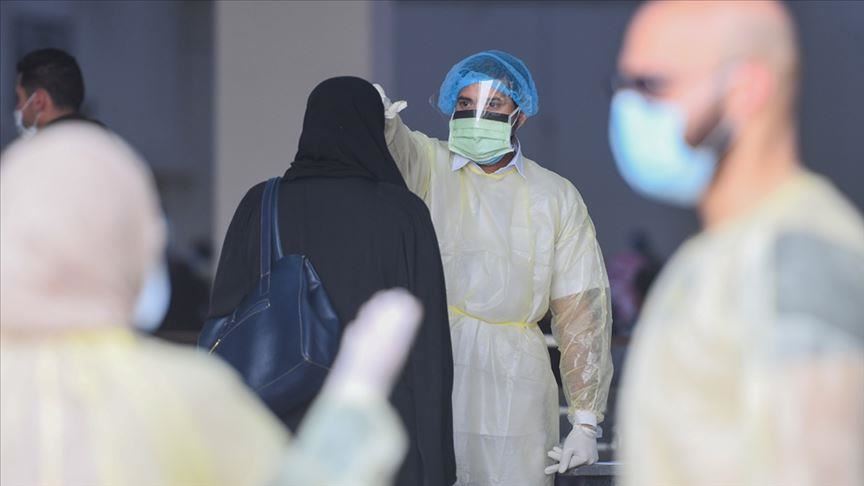
  • Setting up thermal cameras at all entrances of the mosque
  • Designing separate entry and exit points for visitors
  • Preventing individuals recording a high temperature from entering the mosque and referring them to specialists from the health ministry.
  • Enforcing social distancing measures at all times to prevent crowding
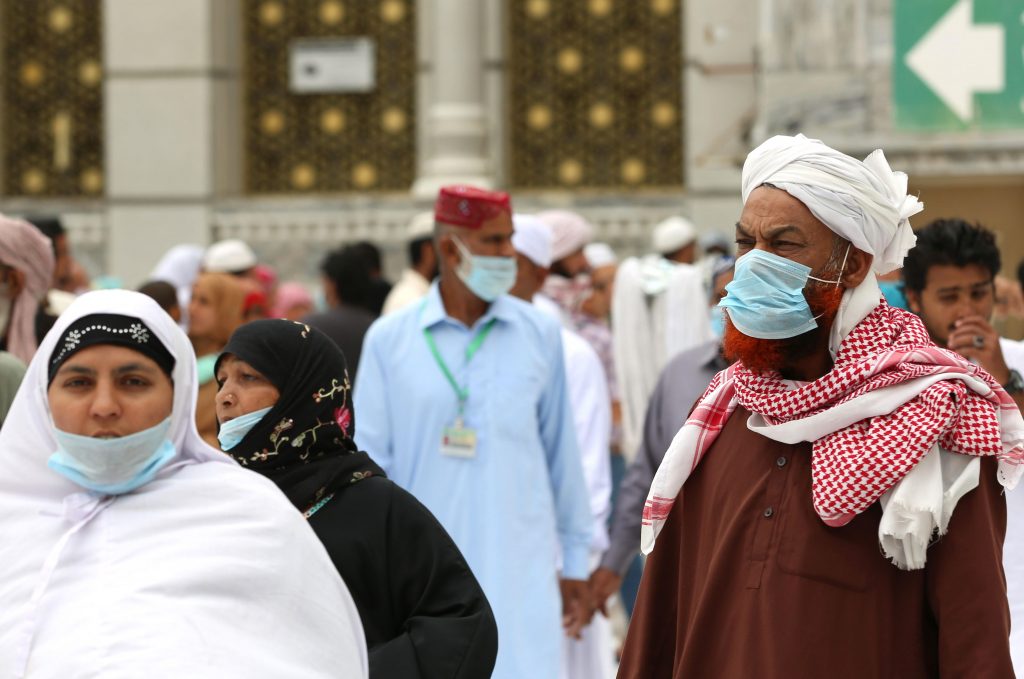
  • Making face masks mandatory for all visitors.

After more than 100 days of suspending Umrah, Saudi officials are currently developing a plan to partially resume the year-round minor pilgrimage.

The news, shared by Al-Arabiya, said Saudi Arabia’s Agency for the Affairs of the Grand Mosque in Makkah is currently developing a crowd control plan as it prepares for the partial opening of the Grand Mosque.

The plan is part of the Kingdom’s efforts to return to normal life while curbing the coronavirus outbreak.

📚 Read Also: “I have to Find Makkah of My Heart”: Muslims Still Grieving over Hajj Disruption

According to reports by local media, the Grand Mosque and its courtyards will operate at 40 percent capacity.

In addition, visitors will obtain a permit before arriving at the Grand Mosque through the Tawakkalna app so authorities can limit the number of people entering the mosque.
The new measures include:

  1. Setting up thermal cameras at all entrances of the mosque
  2. Designing separate entry and exit points for visitors
  3. Preventing individuals recording a high temperature from entering the mosque and referring them to specialists from the health ministry.
  4. Enforcing social distancing measures at all times to prevent crowding
  5. Face masks will be mandatory for all visitors.
  6. Allocate the ground, first, and second floor of the holy mosque for those performing tawaf. Elderly people and people with special needs will use the second floor.
  7. The central Haram area, closest to the Ka`bah, may be closed for visitors especially on Fridays
(Photo by AFP)

Curbing COVID-19

On Tuesday morning, Saudi Arabia reported a total of 186,436 COVID-19 cases, with 1,599 deaths.

Since the outbreak of the new coronavirus pandemic, Saudi Arabia has taken drastic measures to halt its spread.

Measures included the closure of the Holy Mosques in Makkah and Madinah, suspension of Umrah and enforcement of a lockdown.

Last month, worshippers returned to the Prophet’s Mosque in Madinah and 90,000 mosques across Saudi Arabia after 70 days of shutdown.

A week ago, Saudi Arabia announced the conditions for observing Hajj this season, allowing around 1,000 domestic pilgrims.

The post Saudi Prepares Plan to Partially Resume Umrah appeared first on About Islam.


source https://aboutislam.net/muslim-issues/world/saudi-prepares-plan-to-partially-resume-umrah/

Comments

Popular posts from this blog

List of Times and Places Where Dua is Accepted

A short reminder regarding the recommended times of dua . And I think what you need to know here is that the recommended times of dua or recommended things that can cause your dua to be accepted, can be divided into two sort of large groups: Am I Good Enough to Make Dua for Myself? Situations where your dua is accepted. Times where your dua is accepted So I’m going to very briefly mention them one after the other as much as possible. As for situations where your dua has been accepted: – The person who has been wronged or oppressed . – A person who finds themselves in severe difficulty after a calamity has struck. – The person who is traveling. – Someone who is fasting. – The one who is reciting the Quran or has just recited the Quran – Someone who is performing Hajj or Umrah or jihad. – The one who is making dua for someone in their absence . Because we know that when you make dua for someone in his absence an angel says: “ Ameen and to you”. – A person...

Derechos de Las Mujeres en Islam

Durante el Tiempo del Profeta (la paz sea con él) Veamos cómo fueron tratadas las mujeres de todo el mundo durante la época del Profeta (la paz sea con él). En la Europa del siglo VIII, la religión principal era el catolicismo y durante este tiempo debatían si las mujeres tenían alma. Dijeron que las mujeres eran impuras y que no tenían derecho a la herencia. A las mujeres tampoco se les permitía tocar la Biblia. No era como ahora en el Islam, donde ellas no pueden tocar el Corán durante la menstruación, pero a las mujeres en la Europa del siglo VIII nunca se les permitió tocar la Biblia. En China e India, fueron quemadas vivas cuando murieron sus maridos. En Arabia Saudita practicaron infanticidio femenino en el que, si nacía una niña, la enterrarían viva. Si el marido de una mujer muere, un miembro de su familia se unirá a ella para demostrar que ahora es de su propiedad. Mujeres en el Islam Con el Islam llegó una nueva era para las mujeres. En el Islam, las mujeres tienen la...

Ghuraba (The Strangers): Nasheed with English Subtitles

Islam began as something strange, and it shall return to being something strange, so give glad tidings the strangers. (Sahih Muslim 145) This famous nasheed has many versions; this one is from Muhammad al-Salman and has the subtitles in English embedded. [We are] strangers and we do not bow the foreheads to anyone besides Allah  […] Transliteration to help in the pronounciation:  Ghurabaa’ wa li ghairillaahi laa nahnil jibaa Aisha Stacey  wrote in an article for Aboutislam.net : “I think that many of you would agree that being Muslim in the 21st century makes you well acquainted with being strange. It might even be a metaphor for random, as in you have been randomly selected. […] many converts to Islam will tell you about feeling as if they were strangers, before finding Islam. They will speak of feeling that they belonged somewhere else that their lives were just slightly off center. They often speak about a vague sense of knowing they were not like everyone else...