Jesús en el Islam
Jesús (la paz sea con él) en el Islam es muy similar a lo que los cristianos creen. Los musulmanes no creen que sea el Hijo de Dios sino un Profeta de Dios. Dios envió a todos los Profetas y Mensajeros como portadores de luz para la humanidad. Todos vinieron con el propósito de defender la verdad, mantener la justicia y acercar al hombre a su Señor.
Digan: “Creemos en Dios, en lo que nos fue revelado a nosotros, en lo que fue revelado a Abraham, a Ismael, a Isaac, a Jacob y a las tribus, y en lo que Dios reveló a Moisés, a Jesús y a los demás Profetas. No discriminamos entre ellos, y entregamos a Dios nuestra voluntad [siendo musulmanes].
Coran 2:136
Entonces los ángeles dijeron: “¡María! Dios te albricia con Su Palabra [¡Sea!] será conocido como el Mesías Jesús, hijo de María. Será noble en esta vida y en la otra, y se contará entre los próximos a Dios.
Coran 3:45
Musulmanes y Jesús
Jesús tiene muchos otros nombres y títulos hermosos en el Corán. Es una figura religiosa muy respetada. Todo musulmán lo honra, lo respeta y lo ama. Su madre también es muy respetada, amada y honrada.
Hay cientos de miles de hombres musulmanes en todo el mundo que se sienten orgullosos y bendecidos de tener el nombre ‘Isa; Como hay miles de mujeres musulmanas que se sienten honradas y bendecidas de llamarse Maryam.
A diferencia de los Evangelios o el Nuevo Testamento en general, el tema del Corán no es Jesús. El Corán habla en detalle sobre Dios, la voluntad de Dios para los seres humanos y sobre muchos de los Profetas y Mensajeros de Dios. Sin embargo, todos los hechos básicos sobre la vida de Jesús se mencionan en el Corán.
¿Qué Quiere Decir en el Islam?
El Corán tiene muchos versículos importantes que pueden ayudarnos a ver cuán importante y valioso era Jesús. Desde su milagro de hablar desde la cuna hasta cómo muere en el Corán. Lo cual es muy diferente de la creencia cristiana, ya que en el Corán fue resucitado por Dios mismo.
Dios lo ascendió al cielo [en cuerpo y alma]. Dios es Poderoso, Sabio.
Coran 4:158
Se presentó ante su pueblo llevándolo en brazos [a Jesús]. Le dijeron: “¡Oh, María! Has hecho algo abominable. ¡Tú desciendes de Aarón! Tu padre no era un hombre deshonesto ni tu madre una fornicadora”.Ella lo señaló [al niño], y entonces le dijeron: “¿Cómo vamos a hablar con un niño que aún está en la cuna?” Entonces [Jesús] habló: “Soy un siervo de Dios, Él me revelará el Libro y hará de mí un Profeta.Seré bendecido dondequiera que me encuentre, y me ha encomendado hacer la oración, dar caridad mientras viva, honrar a mi madre, y no ser arrogante ni insolente. And peace is on me the day I was born and the day I will die and the day I am raised alive.” Ese es Jesús, hijo de María, la verdad sobre la que ellos discuten. No es propio de Dios tener un hijo. ¡Glorificado sea! Cuando decide algo dice: “¡Sé!”, y es.
Coran 19:27-35
Jesús también discutió la venida de otro profeta después de él:
Y cuando Jesús, hijo de María, dijo: “¡Oh, hijos de Israel! Yo soy el Mensajero que Dios les ha enviado para corroborar la Tora y anunciar a un Mensajero que vendrá después de mí llamado Ajmad”. Pero cuando les mostró los milagros, dijeron [con incredulidad manifiesta]: “¡Esto es pura hechicería!”
Coran 61:6
También Te Puede Gustar Leer:
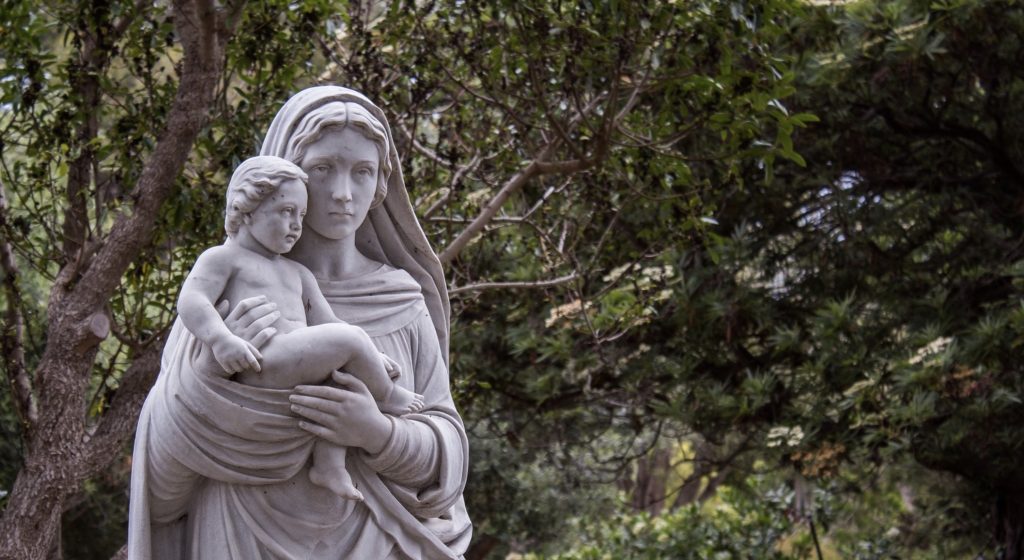
Jesús en el Islam

Valores del Ramadán: Eid El Fitr

Los Poetas en Islam: Capitulo 26 del Coran

Valores del Ramadán: La Humildad
Zakat Al-Fitr: Lo Que Necesitas Saber

Respetando a Tus Padres Que no Son Musulmanes

Valores del Ramadán: La Paciencia
Hijab: Preguntas de una Hermana Convertida
The post Jesús en el Islam appeared first on About Islam.
source https://aboutislam.net/es/jesus-en-el-islam/


Comments
Post a Comment