African American Muslims React to the Police Killing of George Floyd
American Muslims have expressed outrage after a video surfaced showing a white police officer kneeling on the neck of a black man and ignoring his pleas for help until first responders put him, unresponsive, on a stretcher.
George Floyd, 46, died after the horrific incident at a local hospital, according to police. This case eerily echoes the death of Eric Garner, another black man who died while a white officer restrained him, ignoring pleas of “I can’t breathe.”
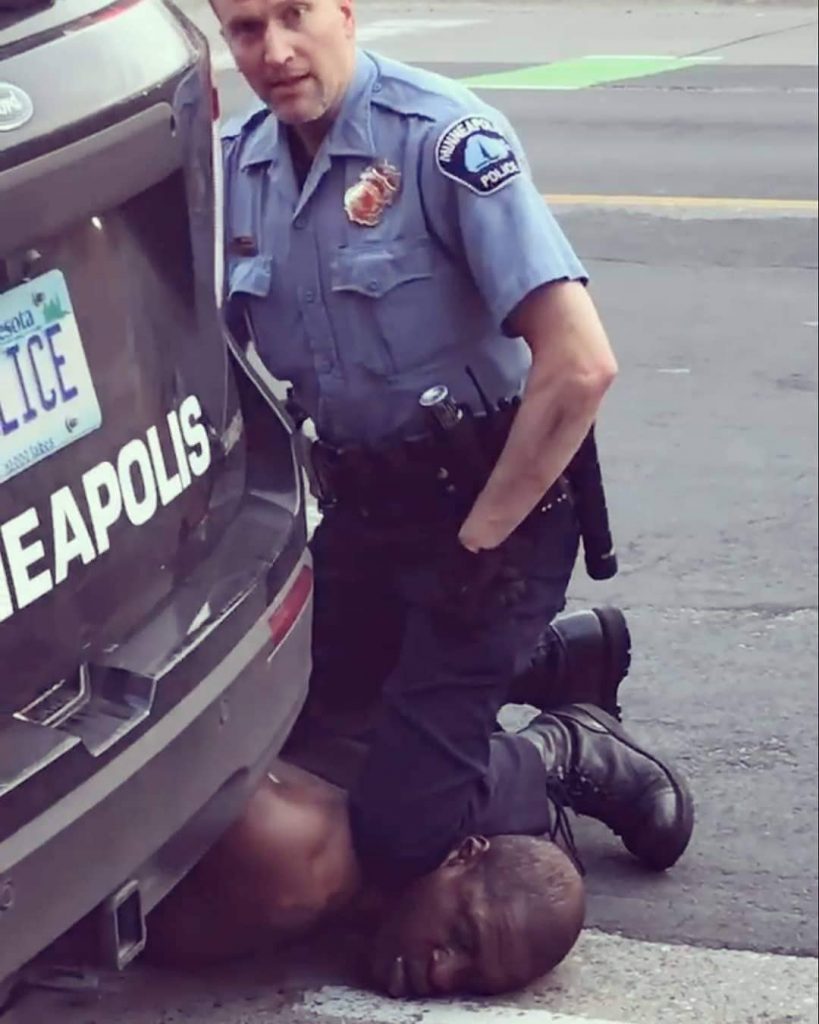
Experts say the police officers’ actions leading up to George Floyd’s death are some of the worst they’ve seen.
African American Muslims are inundated with the brutal imagery of their fellow brothers being murdered simply for the color of their skin, as video recordings of these acts of terror are consistently circulated online.
Black Muslims struggle with the dichotomy of navigating their own outrage and trauma, while being seekers of justice and fighting against oppression, as commanded in by Allah (SWT).
Allah does not wish injustice for any of His creatures. (Surah Al Imran, 3:108)
Outrage
US Muslims expressed outrage and hurt, as the video surfaced on various different social media outlets, proving the frightening trend of the merciless killing of unarmed black men in this country.
“Murdered in broad daylight. By those who are supposed to protect us. With cameras and witnesses everywhere. I can’t breathe. #GeorgeFloyd,” Omar Suleiman posted on Facebook.
-
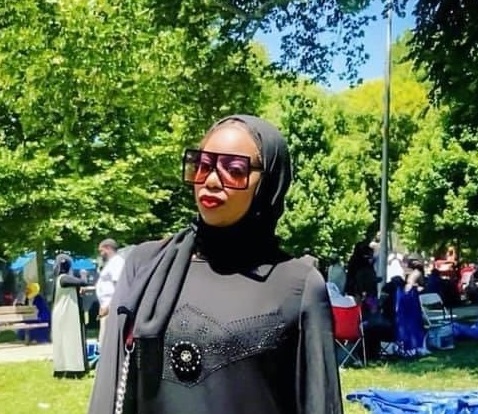
Yasmin Abdul-Warith
“We are tired, overwhelmed, and outraged,” Yasmin Abdul Warith from South New Jersey told AboutIslam.net.
“I feel numb, sick to my stomach, devastated, and alone. This blatant murder happens so often I can’t properly mourn the loss of one brother or sister before I see video of the next murder,” Sakeena Abdul-Hakeem from Atlanta, GA, told AboutIslam.
-
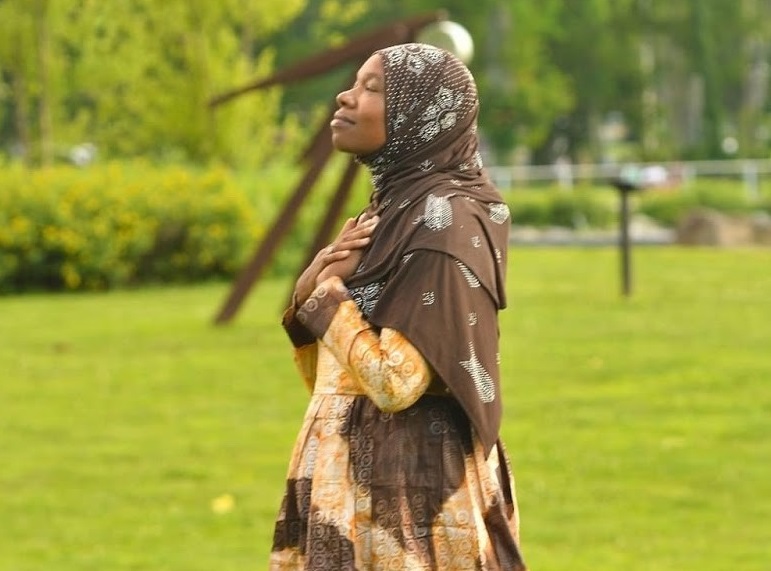
Sakeena Abdul Hakeem
“As Muslims, we are taught that if you save a life it is as though you have saved all of humanity. As Muslims, we are one body. If one part of the body is afflicted, the whole body feels the pain.
“Our Prophet said that none of us truly believe until we want for our brother what we want for ourselves. We can’t solve this problem alone. We need the support, solidarity, advocacy, voices, and action of everyone who knows this is wrong.
-
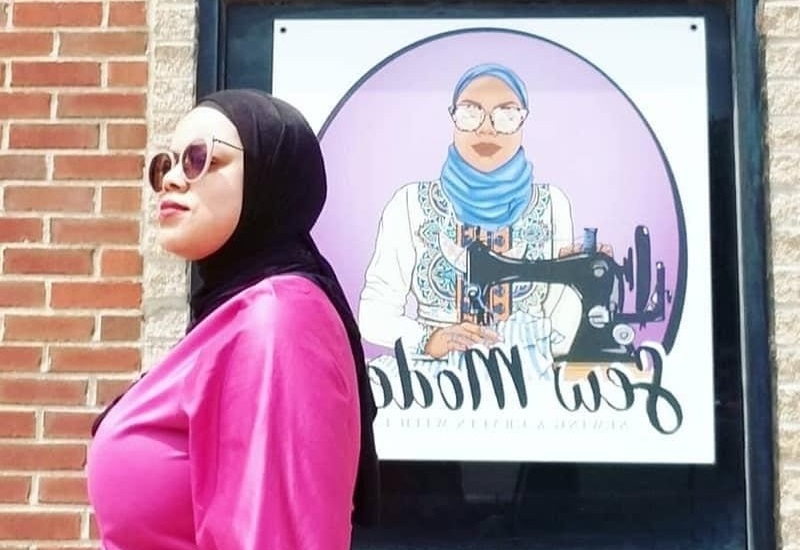
LaTerry Abdulnoor
“And if you’re not black and you’re on the fence about taking a stand for justice, just imagine you, your loved one, or someone who looks like you was being slaughtered in this manner. Does that make you more outraged?”
“I feel exhausted, we don’t get a reprieve. They kill us in rapid fire motion and it’s impossible to keep up with my emotions, my anger, anxiety, fear, and the desire to go numb, so I can enjoy a moment without guilt. I look at my half black/half Yemeni son and think will he die proclaiming he can’t breathe in the street or from some trumped up charges that land him on the terrorist watch list,” LaTerry Abdulnoor told AboutIslam.
The post African American Muslims React to the Police Killing of George Floyd appeared first on About Islam.
source https://aboutislam.net/muslim-issues/n-america/african-american-muslims-react-to-the-police-killing-of-george-floyd/


Comments
Post a Comment