Discovering Values Within Hijab
There are some people who view hijab as a kind of limitation or even as an oppression for Muslim women. At some point, it indeed looks like limitations. But as a hijabi, I prefer to call it boundaries.
The meaning of hijab isn’t just portrayed by the headscarf that covers Muslim women’s hair; there are also values and boundaries that Islam teaches through the wearing of hijab.
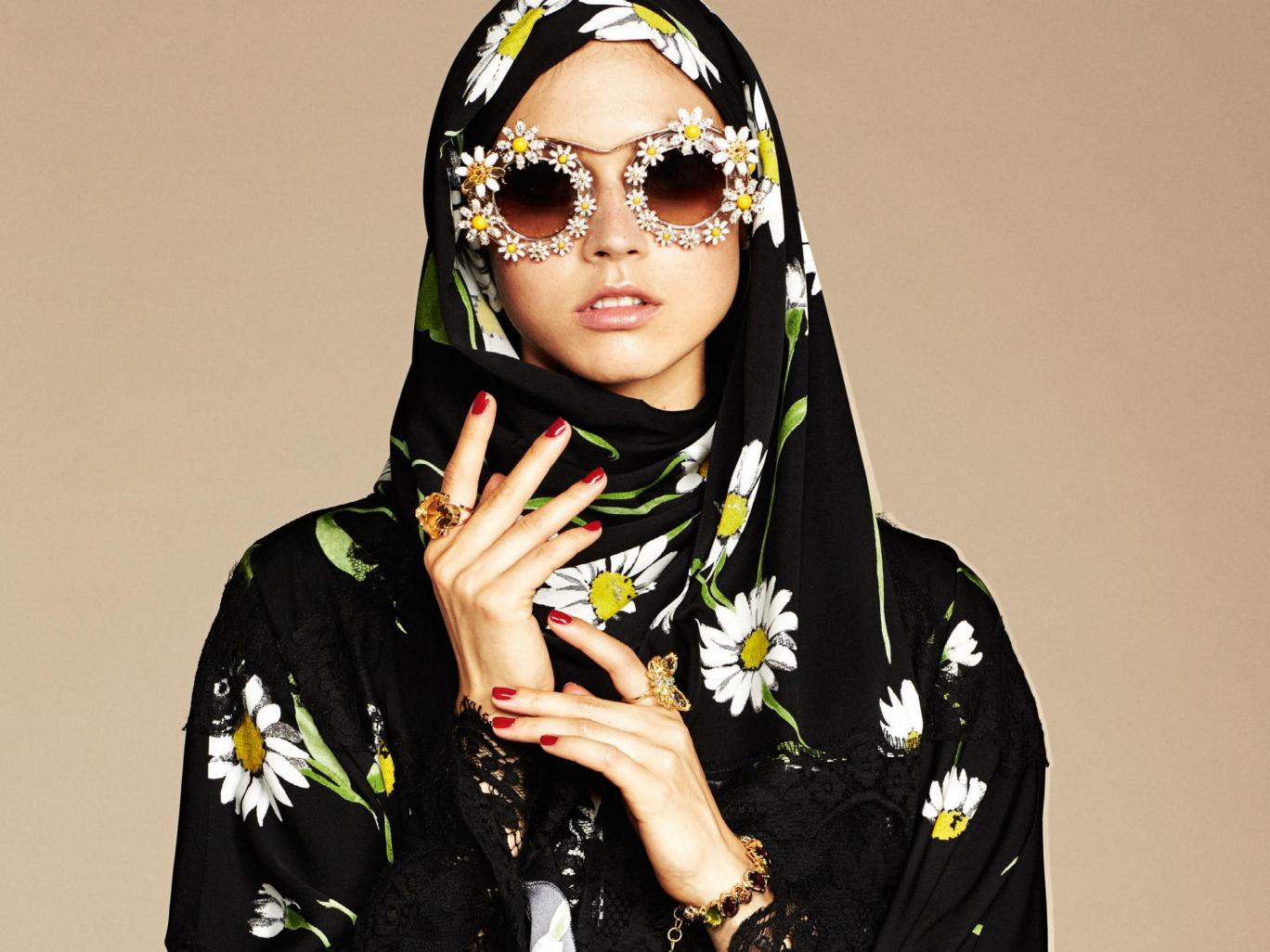
Personally, getting to know hijab and its meaning made me blown away even more by Islam. I was born into a Muslim family, and they are quite religious but not strict. To be honest, at that time I was doing my duty as a Muslim because my parents told me to, so I followed them, and people in my surroundings did it as well.
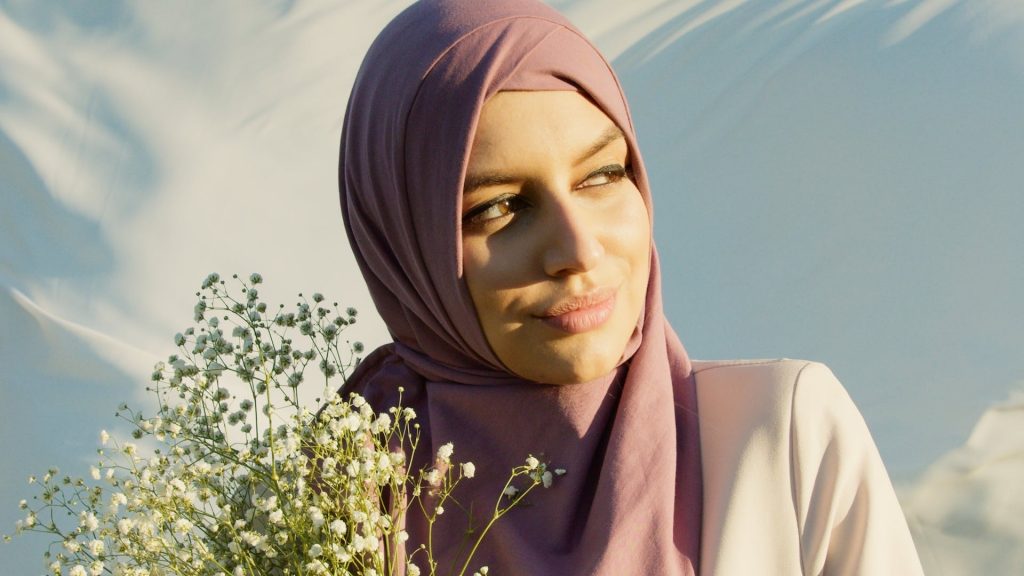
So, for me, it wasn’t because of the light. Then, there was the beginning of a period in a difficult time when somehow I started to understand more about Islamic values and their relevance in today’s life.
When I was a kid, I heard the commandment to cover the awrah for Muslim women, and the only reason I get for it is about self-protection. However, as I get older, there is a need to convince myself more so that I can get into the light. So, this is what I discovered regarding hijab:
Forms of Protection
The main function of hijab is as a form of protection. Women are beautiful creatures, but they are easily sexualized by certain types of people. Also, there have been many stories discovered where women experienced violence, either physically or psychologically.
The commandment of wearing hijab only allows women to show their face and palms, so it will prevent women from receiving inappropriate gazes from the opposite sex.
This will keep women from any kind of harassment to any extent. Hijab says, “You don’t need to feel insecure.“
Insecurity is the biggest thing that happens to most young women. Especially regarding their physical appearance. Nowadays, we know how bluntly women are demanded to be perfect. Social standards arise and make it worse. Personally, as a woman, I feel it, and so do the women around me.
For a woman, there must be a thought that we will be considered worthy if we look a certain way. Actually, it can bring a lot of burdens that can end up hurting them.
In Surah At-Tin verse 4, we have been reminded that,
“Indeed, we created humans in their best form.“
We were created in the best form, and there is no need to doubt that because Allah (SWT) already says it in that verse. As a Muslim woman, remembering the preciousness with which Allah has helped me put my focus on the inner aspects is very important.
Hijab comes to this issue not to make women hide their insecurity about their body parts and keep a feeling of shame about it, but to teach women the idea of accepting themselves and being just the way they are. It says that “you don’t need to feel insecure”, because you have been created in the best form.
Leadership Value
Hijab might look opposite to the idea of how women should look in modern society nowadays. However, Muslim women choose to do so because the hijab has become a symbol of worshipping Allah (SWT) for Muslim women as well.
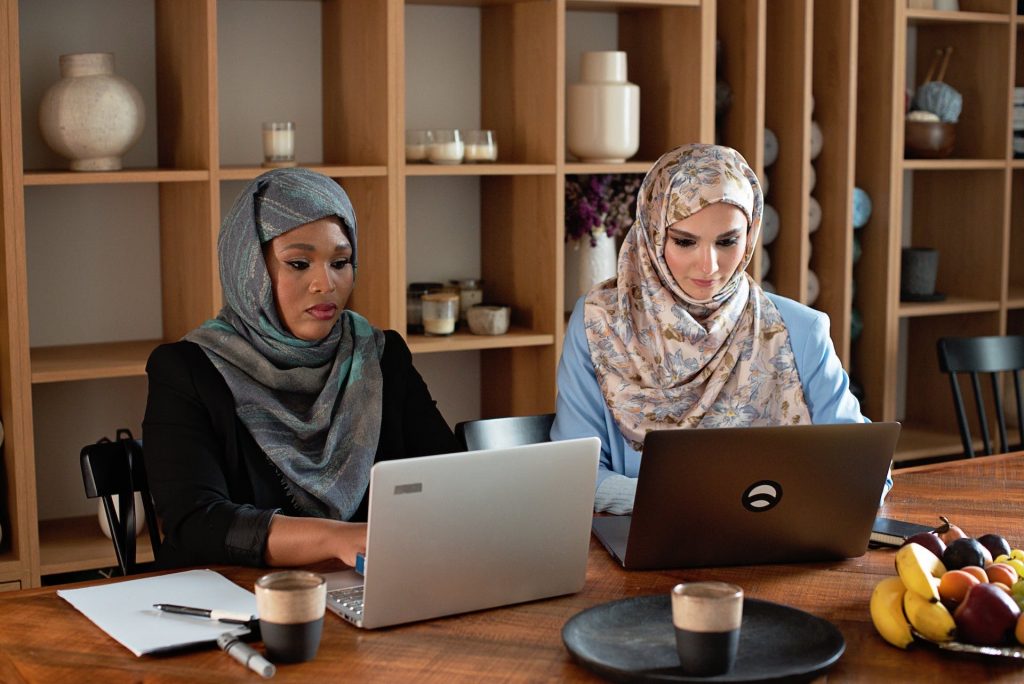
Furthermore, the dos and don’ts that Islam teaches can help women walk in society. It is because of the boundaries that they know how to control themselves. Living in society and understanding the issues in it makes more sense to me.
The reason women need to get protection emotionally, physically, and mentally is because women play an important role in forming the next generation. If a woman is broken, then the next generation will not develop well and may not even exist.
When women cannot get protection from their surroundings, Allah brings hijab in so that women can also learn about protection itself. What does it feel like in hijab? Metaphorically, hijab became a symbol of how Allah treats women gracefully and respectfully. He bestows crowns on them, like queens and princesses.
Women are special ones that need to be protected. They deserve to feel that way. So, as a hijabi, it feels like a queen or a princess.
Read More:
- Hijabi Perspective: What Does “Freedom” Mean For Hijabis?
- How to Be Self-Confident in Hijab
- Can I Dress Modestly Without Hijab?
The post Discovering Values Within Hijab appeared first on About Islam.
source https://aboutislam.net/blog/212588/


Comments
Post a Comment