What Is So Hard about Being in Intercultural Marriage?
As partners in an intercultural marriage, the blessings and challenges will affect many more than just the initial couple themselves.
When you marry into a family that is from a different culture, you may clash with your spouse’s immediate family, including close family parents and siblings or extended family like aunts, uncles, cousins, friends, and associates.
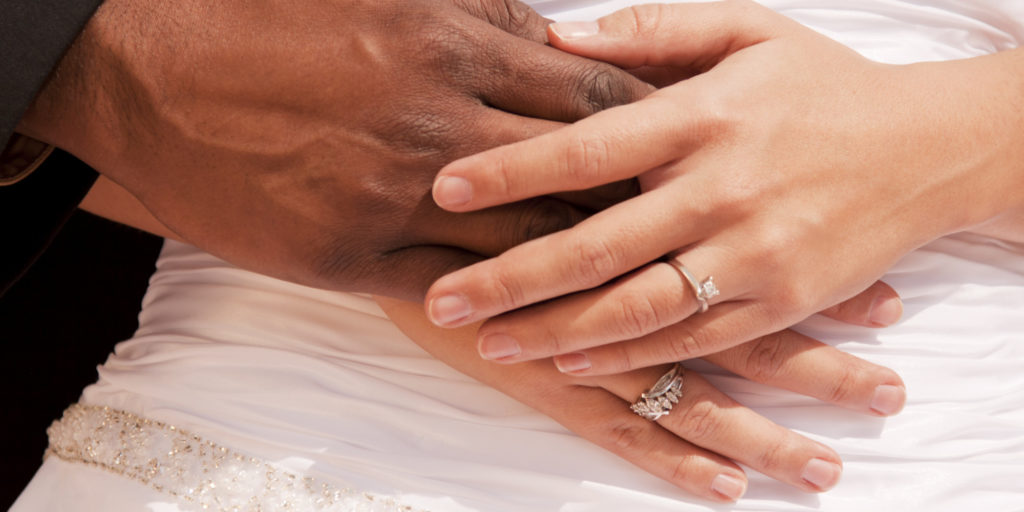
Depending on where you choose to live—in your own country or your spouse’s— you may run into these challenges to varying degrees.
In my talks with intercultural couples, I’ve found that the partners who live outside of their culture tend to have the most difficulty adjusting.
It’s hard for these spouses to mold themselves to fit into the culture and meet the expectations of friends and family members who welcome the couple into their homes.
Additionally, children may experience certain confusions as the product of an intercultural marriage. These can be challenging to navigate.
Culturally Confused Kids
Anytime a child has to mold and adapt themselves between cultures, it builds resilience and agility. But this can also make it hard for them to really understand who they are.
They may spend so much time keeping up appearances or trying to conform to cultural norms in each extended family, that they lose track of what makes them unique.
As they get older, young adults may feel confused about their identity and unsure of how to present themselves to others or how people perceive them.
At these times, it’s particularly important to encourage children to talk through what they are feeling and experiencing.
It’s also helpful to allow them to express themselves and what they think through creative outlets like writing, dance, theater, art, and poetry.
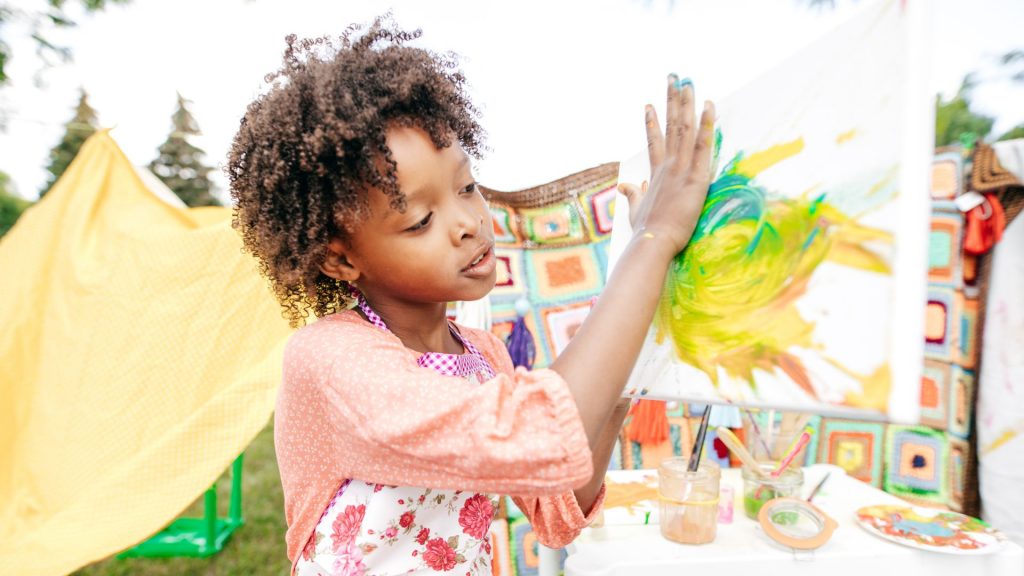
Encouraging kids to journal and write about their daily experiences can provide insight into their challenges as a bicultural child.
It can provide topics for discussion and help kids work through some of the biases they may be experiencing on a daily basis.
For children who have parents with vastly different skin colors or races, they may experience racism and other negatives that either of their parents may not understand.
Dazed In-Laws
In intercultural marriages, challenges with in-laws are another issue that comes up a lot.
Hopefully the couple gets along well—this is to be hoped for and expected if they choose to get married.
But even if a couple loves and understands each other, there can be major conflicts when in-laws have unmet cultural expectations from their daughters- or sons-in-law.
The shock of an intercultural marriage often brings about an abrupt adjustment period—if the in-laws ever fully adjust at all!
This can lead to tense and/or abusive extended family relations as the couple finds themselves unable to meet their parents’ and in-laws’ expectations.
One Indian sister married to a Pakistani brother notes that the biggest challenge she and her husband have faced so far is opposition from family. She explains,
“My mother-in-law is still unhappy. She refuses to accept me as her daughter-in-law even to this date—five years of marriage and two children later.”
Communication and Language
In some cases, language barriers can also add to the issues between spouses and in-laws.
When one of the spouses doesn’t speak the language of their spouse’s elders, it can be challenging, if not impossible, to effectively communicate.
Relying on hand gestures and body language will only get you so far. These shortcuts also don’t help when trying to solve complex family issues or express important feelings.

Each culture may have different ways of communicating.
One American sister describes the difference between her culture and that of her Moroccan husband as a clash between bluntness and more “diplomatic” language.
Passing on Cultural Traditions and Language
By far, some of the most difficult moments will come while rearing children as an intercultural couple.
Parenting is already hard, but when you throw two – sometimes vastly different – cultures into the mix it can be even more challenging.
It’s important for intercultural couples to spend time talking about how they want to rear their children before they sign the nikah (marriage) agreement.
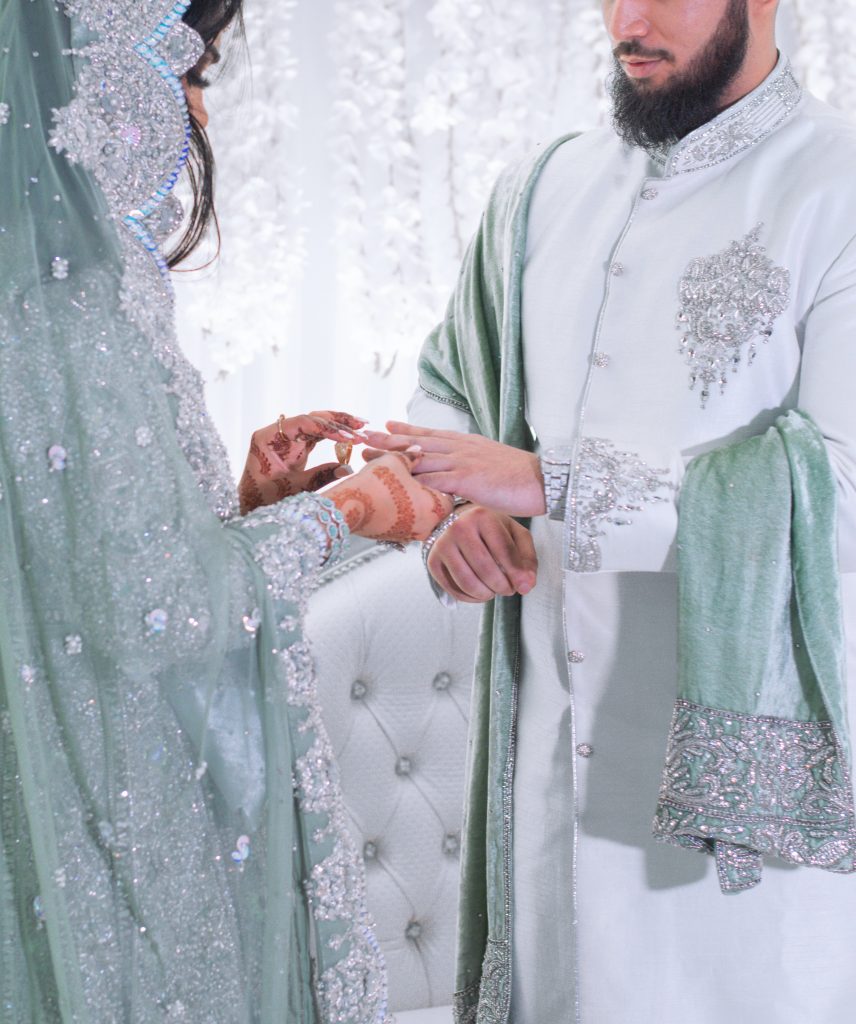
Couples need to discuss what languages they will speak in the home, what holidays and special days they will celebrate as a family, and where they will spend most of their time living and soaking up the culture around them.
Some intercultural couples opt to put down roots in a third place or country far from both of their extended families. This is sometimes also coupled with what’s known as “world-schooling.”
It is a parenting practice that crafts a couple’s children into well-rounded, empathetic, non-nationalistic adults.

No matter what a couple chooses, it’s best to have these hard discussions before marriage. This will ensure that each prospective partner’s ideas mesh well with each other’s.
If a wife is, for example, not comfortable living in the same house with in-laws or extended family during the early years of their marriage, then a husband must arrange the needed accommodations before marriage or delay the marriage until the wife’s needs and rights can be honored.
If it won’t be possible for a wife’s cultural needs and Islamic marriage expectations to be met, the wedding should be called off altogether.
However, even with the best intentions and while in full agreement about how the couple wants to live and rear their children, life happens!
A couple may find themselves living with family in a country or place they are not familiar with for an extended period of time.
It’s best to address some of these contingency plans to decide ahead of time what a couple will do in the case of a job loss, injury, or other family crisis.
Staying Strong
Whether you’ll admit it to yourself or not, there will be people from both cultures scrutinizing your relationship. Some may even be waiting for the moment they can say “I told you so” when it fails.
Prove all the naysayers wrong and show them all just how long it can last and all the good that will come out of the unique cultural blend as well.
In the next article in this series, I’ll speak on the many obvious and hidden blessings of intercultural marriages and explain how to make the most of them. See you there!
***
The article is from our archives.
The post What Is So Hard about Being in Intercultural Marriage? appeared first on About Islam.
source https://aboutislam.net/family-life/husbands-wives/hard-intercultural-marriage/


Comments
Post a Comment