Tips to Start Composting Kitchen Waste
“Zero waste”’ has become quite the buzzword lately. Many times it is used to describe activities that are dangerous for the environment, but too often it just sounds great for marketing.
For those who are interested to take on zero waste more seriously as a lifestyle choice, the best place to start is usually at home, particularly the kitchen.
Limiting how much waste we throw out from the food we prepare as well as our leftovers is a great first step. Food waste has reached almost epidemic levels globally, accounting for over 30% of the food supply according to the USDA.
These tips to start composting kitchen waste are an easy enough way to do a little more on your part.
Returning to traditions
In our grandparents’ time, when many homes had a backyard garden space, much of the food scraps from preparing meals or leftovers would find their way to the garden rather than in a dumpster. With the rise of more condensed urban living, many urbanites prefer the convenience of tossing their waste in the trash rather than find ways to process them into something useful.
One easy solution is to make our kitchen waste into compost.
Compost is organic material that can be put on soil to give a healthy boost to plant growth. It is a much more preferable option to use compost rather than artificial fertilizers that progressively degrade the soil quality over time.
Having our food and yard waste converted into compost lightens the load of what we throw into landfills. With some cities now insisting on composting organic scraps or offering easier solutions, it’s a perfect time to join in the green-to-black fun.
The basics of composting kitchen waste explained
Every compost pile is a mix of a few basic ingredients, you can find what works easiest for you.
The first layer is ‘greens’, which can include green grass, fresh leaves, fruit and veggies scraps and coffee grounds. The second is ‘browns’, which is dead organic matter such as wood chips, branches and brown leaves.
Greens contain more nitrogen for plants while browns contain more carbon. Lastly, the compost requires water to be sprinkled on it regularly to ensure there is enough internal moisture.
Meat and fish scraps are generally not recommended to be added to most compost heaps. Along with moisture, there needs to be a sufficiently high temperature and surface exposure to allow for microbial activity.
The larger the compost heap, the greater the heat that can be generated and speed up the process to produce compost. Most urbanites who lack the space to have larger compost piles are recommended to look into an indoor compost method called Bokashi (Japanese for “fermented organic matter”) which has been popular for the last couple of decades.
Bokashi
Bokashi is an anaerobic (without oxygen) process that requires kitchen waste material to be contained in a sealed bucket. The waste is mixed with a Bokashi medium, usually fine gran, rice or a wheat-like substance. The medium, which can be purchased from gardening supply stores, allows for the microbes to accelerate the fermentation process.
The food waste should be flattened as much as possible to prevent excess oxygen in the container.
Once you fill the bucket with the waste and medium, seal it tightly and place it outside of sunlight for approximately ten to twelve days. Each bucket usually has a spigot that allows for liquid to leak out as a by-product of the process which can be applied to the soil as well.
The mixture may have a noticeable odor. This ‘pre-compost’ is usually too acidic to have plants directly grow from it. You may add it to your existing compost pile and wait for another couple of weeks for it to completely break down and apply it to the soil.
The entire bokashi process of roughly a month may seem long, but it is important to remember that directly adding food scraps into the soil takes several months longer for them to break into usable compost matter.
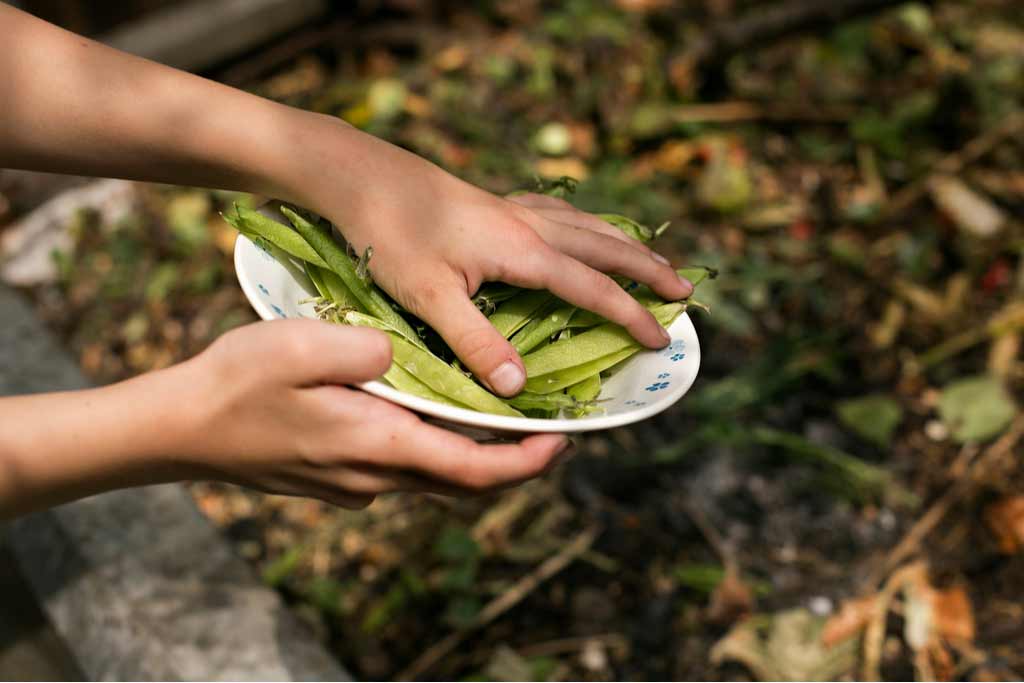
Start better dumping now
The above is a quick rundown of the basics of indoor composting using Bokashi or outdoor composting using a larger space. For more information, it is helpful to look into USDA composting guidelines or listen to tips from other successful gardeners.
Be sure to include your children from the beginning in the process of setting up your kitchen compost. Once you and your plants get your hands on some “black gold compost,” you will feel that time and energy in preparation were truly worth it.
But ultimately, the waste you keep out of your trash is an excellent way to boost your green, sustainable lifestyle.
Check Our Beginner’s Guide on How to Start Your Urban Garden
First published: October 2019
The post Tips to Start Composting Kitchen Waste appeared first on About Islam.
source https://aboutislam.net/family-life/your-society/tips-to-start-to-composting-waste-in-the-kitchen/


Comments
Post a Comment