From Struggle to Success: Addressing Mental Health of Our Muslim Youth
Am I “normal”? This is a question that young Naji Mujahid Fenwick asked himself during his many insomniac nights.

And though our culture seems to be making progress toward reducing the stigma surrounding mental illness, many of us think of mental health problems as something that affects other people, not us.
However, for young Naji; behavior intervention plans, therapy sessions, and prescription trials are prominent memories from his childhood.
Highly intelligent, ambitious, and successful Philadelphia lawyer, Naji Fenwick is an inspiration for young Muslims everywhere but beyond his success lies a story of challenge and triumph. Naji grew up in and out of therapy sessions, on and off medications, and impacted by the reality of his own mental health.
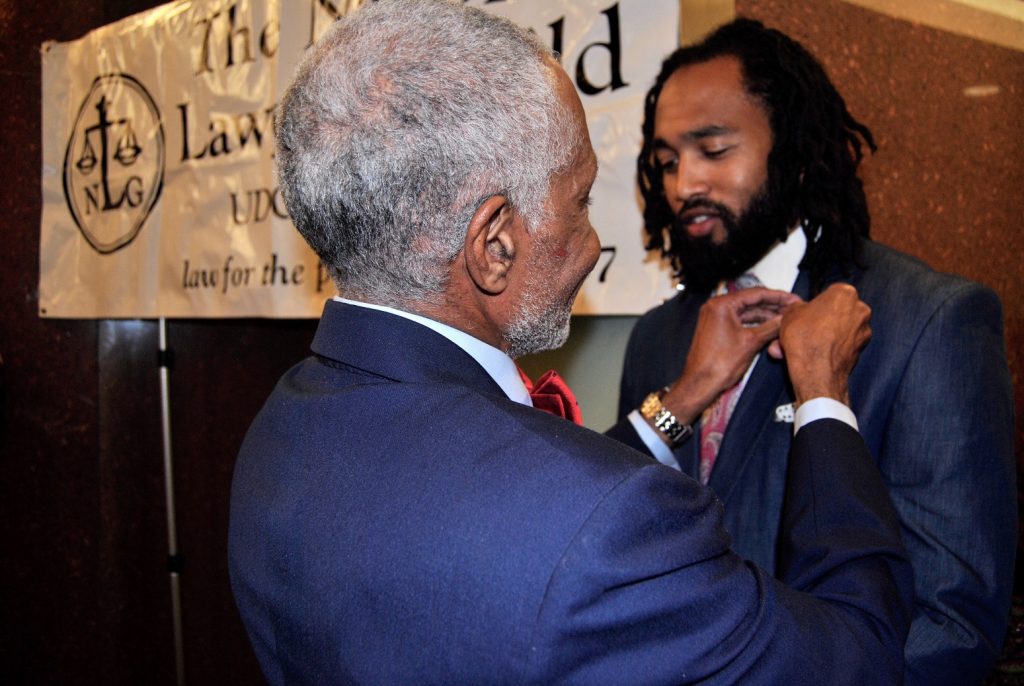
Psychological Help

After countless calls from his elementary teachers and complaints from his school administrators, Naji’s mother decided to have a psychological evaluation completed on him at the age of nine. His psychologist noted Naji’s “superior and above average” intellectual capability but he was diagnosed with ADHD and other emotional disorders.
Although Naji was a highly intelligent child, he was noted in his psychological report as having a “depressed and flat affect” and difficulty with maintaining self-control and compliance towards adults.
His psychologist recommended Naji to be placed in a self-contained special education classroom despite his superior cognitive capabilities.
“My history with mental health has been circuitous. I was forced into therapy and treatment as a child. I resisted and refused the stigma, perhaps to a fault,” Naji Fenwick told AboutIslam.net.
“As a young adult, I scoffed at any idea that I “needed help”, mostly because when I received that advice it was more of an insult or coming from a place of frustration. As Muslims, we should learn how to separate the message from the messenger and be brave enough to accept truth as truth.
“In fact, sometimes your enemy can be a blessing because they will identify your faults and try to use them against you. Our friends and loved ones will sometimes ignore our faults out of kindness or patience,” he added.
The important thing in overcoming mental illness is to want things to be better — and being willing to get help to make that happen.
In a brief written by Harvard University, children with potential mental health problems will not become lifelong mental health problems if they are responded to early. Early intervention is essential in young children who exhibit symptoms of mental illness but an adequate diagnosis is a critical component of this process.
This wasn’t the case for young Naji, as he often questions if he was adequately assessed, diagnosed, and placed in the appropriate educational setting growing up.
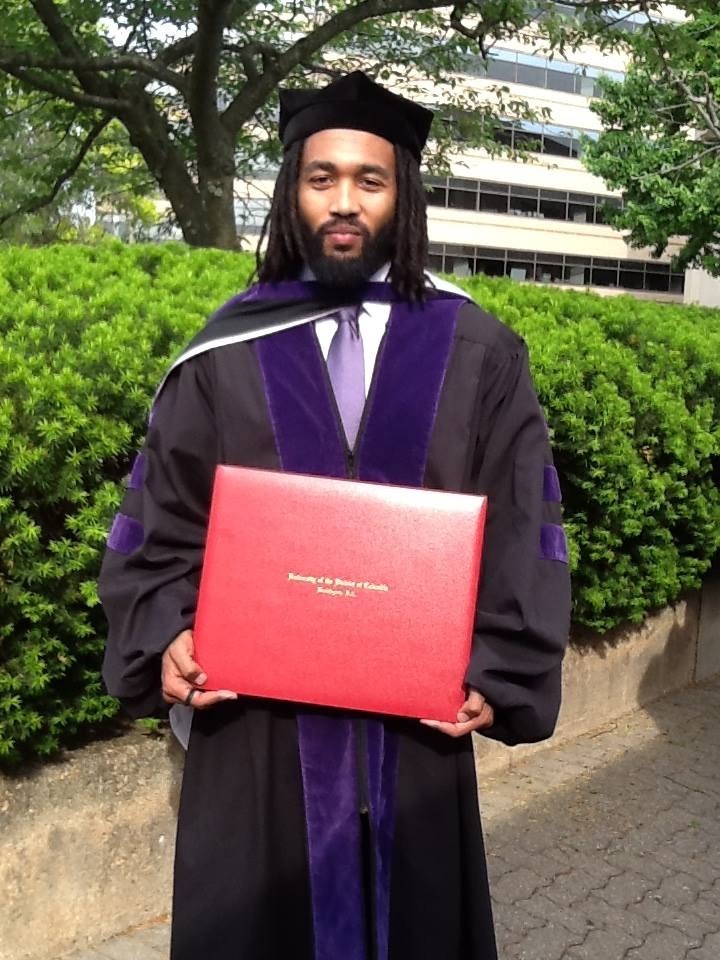
Overcoming Mental Illness
As young Naji grew up and began to be more acutely aware of his own intellectual capabilities and superior talent in the area of sports and physical fitness, he began to desire a life beyond the limitations often placed upon him in grade school.
Despite his challenges and diagnosis, Naji decided to pursue a relationship with Allah as a Muslim and law school. He finally had a purpose and was motivated to work for the voiceless and people that are often overlooked and thrown away by their own society, as he was.
“It wasn’t until I was dealing with the stress of law school and the dissolution of my second marriage that I was willing to accept that I “needed help”. I sought it out with the idea that I needed to be better, not just for myself, but also for the clients that I intended to serve as a public defender,” Naji shared with AboutIslam.net.
As Muslims, Allah offers the believers a spiritual sanctuary to live a balanced and healthy life by using their relationship with Allah as an anchor.
Many of the basic tenets of our faith promote the practice of stillness, calming the mind, and positive thoughts – which are all highly recommended techniques to combat depression and anxiety.
Although mental health has nothing to do with weakness in faith and should be medically addressed, it is clear that Allah SWT has offered the believers tools and a lifestyle that allows for the opportunity to overcome mental health challenges.
Naji Fenwick is now a practicing lawyer in the Philadelphia area. Although he often reflects on the challenges he experienced as a child and young adult, he is able to use his experience to dive into his advocacy work and Islamic faith. He is a clear reminder of the Wisdom and Mercy of Allah and the power of perseverance.
During this time of uncertainty, as a result of our world being completely turned upside down by the global pandemic COVID-19, we are forced to face the reality of our own mental health challenges.
Despite this looming reality, our souls are divinely attracted to people like Naji, as he represents inspiration, hope, and triumph for us all.
The post From Struggle to Success: Addressing Mental Health of Our Muslim Youth appeared first on About Islam.
source https://aboutislam.net/muslim-issues/n-america/from-struggle-to-success-addressing-mental-health-of-our-muslim-youth/


Comments
Post a Comment