COVID-19: Canadian Muslim Communities Mobilize To Respond To Pandemic
Canadian Muslim medical experts, religious leaders, and community advocates have come together to form the Canadian Muslim COVID-19 Task Force (CMCTF) to ensure that Canadian Muslim communities have the information and resources they need to deal with the current global pandemic.

This national collaboration includes over 20 organizations and various experts.
“While each member of the task force will lead and be responsible for their own COVID-19 initiatives, the specific mandate of this task force is to create a platform for collaboration between medical, religious and community organizations across the country as the COVID-19 pandemic evolves,” said Dr. M. Hashim Khan, a respirologist in Toronto, board member of the Muslim Medical Association of Canada and co-chair of the task force.
“Members will update each other about their activities, share ideas, knowledge, experiences, and resources, help identify gaps and community needs and promote a unified approach towards addressing the numerous challenges that lie ahead,” added Khan.
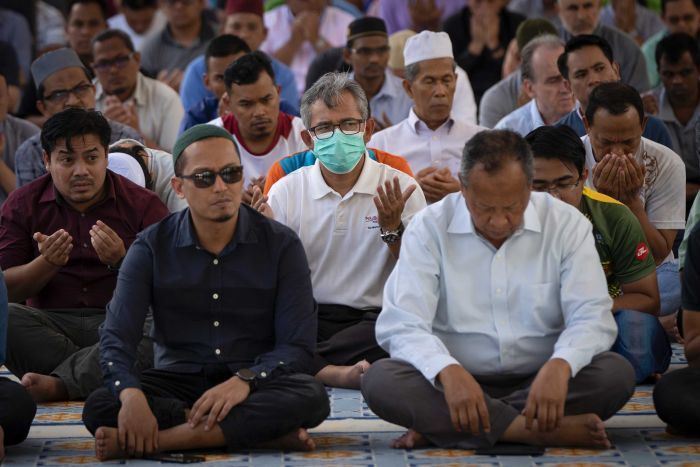
Religious Guidance

With Ramadan around the corner, and a variety of other necessary changes to religious rituals, including burials and funeral practices, this collaboration will ensure decisions are made with the best health information and relevant religious guidance in mind.
“It is critical that Canadian Muslims do everything they can to help support the effort to contain this virus and help to preserve the health and well-being of our communities,” said Imam Refaat Mohamed, President of the Canadian Council of Imams and a founding member of the task force.
“We commend the difficult decisions being made by our Prime Minister, Premiers and other officials. We appreciate the due diligence of our public health system and the sacrifices our heroic frontline healthcare workers are and will be making,” said Rabia Khedr, CEO of DEEN Support Services, executive director of the Muslim Council of Peel and co-chair of the task force.
“Furthermore, we appreciate the extremely difficult decisions made by our Imams and community leaders who continue to feel the burden of suspending congressional daily and Friday prayers and closing mosques to the public to guarantee physical distancing, at a time when many Canadians need solace in such sanctuaries,” said Khedr.
Community Efforts

Meanwhile, a large number of community organizations are already working together across the country to provide food and supplies relief packs for vulnerable and at-risk groups during this state of emergency.
Financial support for individuals and non-profit or charitable institutions, mental health, housing, and children’s education are a few of the community needs that have already been identified and where collaborative work has begun.
Canadian Muslim physicians have also kickstarted various public education, advocacy and advisory, knowledge- creation and sharing, peer support and medical equipment initiatives.
The Canadian Muslim COVID-19 Task Force is inviting Muslim community organizations from coast to coast with COVID-19 pandemic initiatives to join them in this work and add their voice to the CMCTF’s official declaration, available on the task force’s website and social media pages.
The post COVID-19: Canadian Muslim Communities Mobilize To Respond To Pandemic appeared first on About Islam.
source https://aboutislam.net/muslim-issues/n-america/covid-19-canadian-muslim-communities-mobilize-to-respond-to-pandemic/


Comments
Post a Comment