How Covid-19 Impacts Domestic Violence?
“Somehow small disagreements turned into two large hands wrapped around my neck, as I gasped for air with half of my body out of the second-floor window. I couldn’t breathe, let alone scream for help.
“Somehow, an unknown neighbor called for someone to help me. A big knock at the door by two police officers, one male, and one female officer came abruptly, as I struggled frantically to compose myself,” young Muslim mom of two recounted tearfully to AboutIslam.net.

“A call came in from a neighbor that a young lady was being forced out the window, so please let us speak to her,” were the exact words spoken from the young male cop. As I hear the police’s voice, I walk downstairs, but not very far before I see my husband’s arms stretched out in front of me to stop me from going any further.
“Anything you have to say to my wife you can say in front of me,” he yells at the police officer. As they exchanged words back and forth, the young lady cop pulled me aside to talk to me. I will always remember her face. She asked if I needed help and I told her no out of fear. I didn’t want to face the reality of being out of my home or putting myself at risk of contracting coronavirus during this global pandemic crisis,” stated mother of two (who would like to remain anonymous) to AboutIslam.net.
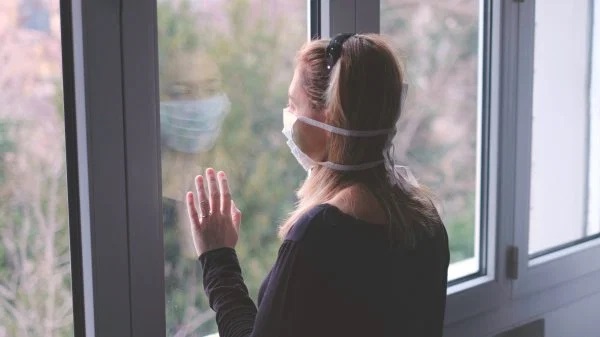
Facing Domestic Violence during the COVID-19 Crisis

Victims of domestic violence who may find themselves stuck at home with their abusers during the global COVID-19 pandemic are at heightened risk during these times of uncertainty.
Although it has been mandated across our nation to stay at home to maintain the safety of ourselves and others, the home appears to be the least safe option for many victims of domestic violence.
Muslim women who may already experience shame and discomfort with seeking help, are now forced to identify and navigate very limited available resources for help.
In an article written by Nisa Homes, who represents a non-profit organization that is currently raising awareness on how the COVID-19 crisis particularly impacts people living in domestic violence situations, reported that many abusers take advantage of an already stressful situation by exerting control over their victims.
Abusers may withhold household essentials, such as disinfectants or share false information about COVID-19 to cause fear and harm to their victims.
Domestic Violence Safe House Manager Hannah Finkenbinder says domestic violence reports are much lower than the monthly average, which is very alarming for them, especially during this time of emergency, according to an article written by News Channel 10 in Armadillo, TX.
There is a huge concern regarding the reduction in reported cases, as this implies that it may be more difficult to make a report while being in self-isolation with an abuser.
The lack of access to Muslim domestic violence organizations, restricted access to the family court for restraining orders, and a current fragile healthcare system are some of the reasons domestic violence victims are at heightened risk during this global pandemic.

Click to read more…
The post How Covid-19 Impacts Domestic Violence? appeared first on About Islam.
source https://aboutislam.net/muslim-issues/n-america/how-covid-19-impacts-domestic-violence/


Comments
Post a Comment