Mosques Go Virtual During COVID-19 Lockdown

As a result of a steady increase of confirmed COVID-19 classes, mosques and Islamic centers across the world have closed in recent weeks.
Muslims all over the United States have been affected by this, especially with the result of halting congregational prayers and communal activities.

However, locked Masjid doors and virtual Friday sermons are becoming the new norm for the international Muslim community with several mosques now going online to provide services.

Muslims are turning to online platforms and resources to build a sense of community during this time.

Local Imams, scholars, and organization leaders are hosting webinars, conference calls, and video chats to continue a culture of connection amongst fellow worshippers. 

“Our community is already planning a virtual Ramadan at Roswell Community Masjid. Our plan is to continue our online programming, offer weekend nightly halaqas using our digital platform, and encourage virtual iftars with friends,” Imam Arshad Anwar from Roswell Community Masjid told AboutIslam.net.
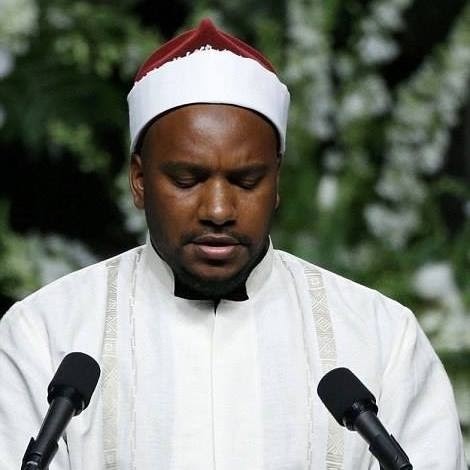
Imam Hamzah Abdul Malik. Photo credit: C-Span

Distancing or Closeness

Though keeping social distancing, the lockdown period could bring the community closer, sharing thoughts and prayers at this difficult time.

“In this time of “social distancing”, even though we are physically farther, we plan to be spiritually closer,” Imam Hamza Abdul Malik from Midtown Mosque shared with AboutIslam.net. 

“Our community will plant more gardens, feed more people from our pantry, and work even harder to connect to each other through conference classes and virtual study groups.”
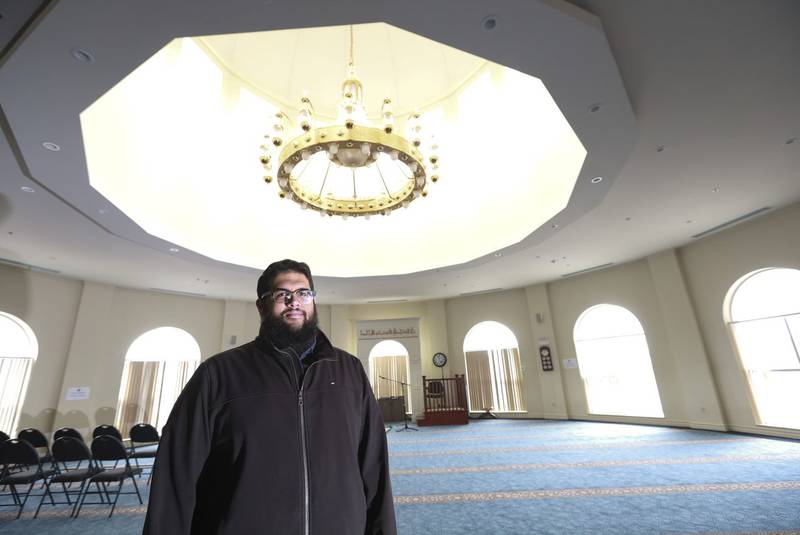
Imam Abdullah Yousri in the prayer area of the Ummah Masjid and Community Centre Monday morning, March 30, 2020. Eric Wynne

Other Areas

Another mosque in Canada turned to online services to support its congregation during the lockdown.

In the Nova Scotia, Canada, imam Ibrahim Alshanti of the Al-Barakah Masjid in Halifax turned on his computer from the confines of his living room to teach a few online classes through Zoom each week.

“It’s weird, but we believe that in every difficulty, there is a blessing,” said Alshanti, The Chronicle Herald.

Imam Abdallah Yousri of the Ummah Masjid and Community Centre in Halifax has similarly been hosting daily virtual sessions from his bedroom to offer “online spiritual support for the community and share important reflections with them” through Zoom and Facebook.

Yousri said the Muslim community has been supportive of the mosques’ decision to continue to host prayers and Quran lessons virtually.

“It is a very challenging time for us, especially with the kids, and the community at this time needs the support,” he said.

Other imams in the US have also gone online to provide their followers with religious reflections including imam Omar Suleiman and Sheikh Yasir Qadhi.

“When Allah’s houses reopen to us, will our hearts be open to them?”| Nightly ReflectionCheck out our website for regularly updated content on how to cope with the Coronavirus at yaqeeninstitute.org

Posted by Omar Suleiman on Friday, 27 March 2020

The COVID-19 pandemic has infected 788,065 and killed other 37,877, according to the latest estimates by WorldOMeter.

The post Mosques Go Virtual During COVID-19 Lockdown appeared first on About Islam.


source https://aboutislam.net/muslim-issues/n-america/mosques-go-virtual-during-covid-19-lockdown/

Comments

Popular posts from this blog

List of Times and Places Where Dua is Accepted

A short reminder regarding the recommended times of dua . And I think what you need to know here is that the recommended times of dua or recommended things that can cause your dua to be accepted, can be divided into two sort of large groups: Am I Good Enough to Make Dua for Myself? Situations where your dua is accepted. Times where your dua is accepted So I’m going to very briefly mention them one after the other as much as possible. As for situations where your dua has been accepted: – The person who has been wronged or oppressed . – A person who finds themselves in severe difficulty after a calamity has struck. – The person who is traveling. – Someone who is fasting. – The one who is reciting the Quran or has just recited the Quran – Someone who is performing Hajj or Umrah or jihad. – The one who is making dua for someone in their absence . Because we know that when you make dua for someone in his absence an angel says: “ Ameen and to you”. – A person...

Derechos de Las Mujeres en Islam

Durante el Tiempo del Profeta (la paz sea con él) Veamos cómo fueron tratadas las mujeres de todo el mundo durante la época del Profeta (la paz sea con él). En la Europa del siglo VIII, la religión principal era el catolicismo y durante este tiempo debatían si las mujeres tenían alma. Dijeron que las mujeres eran impuras y que no tenían derecho a la herencia. A las mujeres tampoco se les permitía tocar la Biblia. No era como ahora en el Islam, donde ellas no pueden tocar el Corán durante la menstruación, pero a las mujeres en la Europa del siglo VIII nunca se les permitió tocar la Biblia. En China e India, fueron quemadas vivas cuando murieron sus maridos. En Arabia Saudita practicaron infanticidio femenino en el que, si nacía una niña, la enterrarían viva. Si el marido de una mujer muere, un miembro de su familia se unirá a ella para demostrar que ahora es de su propiedad. Mujeres en el Islam Con el Islam llegó una nueva era para las mujeres. En el Islam, las mujeres tienen la...

Ghuraba (The Strangers): Nasheed with English Subtitles

Islam began as something strange, and it shall return to being something strange, so give glad tidings the strangers. (Sahih Muslim 145) This famous nasheed has many versions; this one is from Muhammad al-Salman and has the subtitles in English embedded. [We are] strangers and we do not bow the foreheads to anyone besides Allah  […] Transliteration to help in the pronounciation:  Ghurabaa’ wa li ghairillaahi laa nahnil jibaa Aisha Stacey  wrote in an article for Aboutislam.net : “I think that many of you would agree that being Muslim in the 21st century makes you well acquainted with being strange. It might even be a metaphor for random, as in you have been randomly selected. […] many converts to Islam will tell you about feeling as if they were strangers, before finding Islam. They will speak of feeling that they belonged somewhere else that their lives were just slightly off center. They often speak about a vague sense of knowing they were not like everyone else...