Here’s How Burton Muslims Will Observe Ramadan This Year
As the holy month of fasting approaches, the Muslim community in Burton, Staffordshire, are preparing for another Ramadan with COVID-19 restrictions.
“I will miss not being able to visit my friends and family and organize feasts for them, so we can all open our fasts together,” Madiha Jamil, runs Madiha’s Ethnic Trendz, in Waterloo Street, told Staffordshire Live.
“Ramadan is a time of togetherness, looking out for friends and family and supporting the needy.
“I will be delivering food parcels to their doorsteps and that’s going to be the best way of including them in the fast, given the circumstances.
 Read Also: 3 Easy Steps to Prepare for Ramadan
“Hopefully this will be the last time we have to practice Ramadan like this, and next year we can organize big feasts and take part in a collective Ramadan.”
Ramadan is the 9th month of the Hijri Islamic calendar. It commemorates the first revelation of the Qur’an to Prophet Muhammad.
From dawn until sunset, Muslims refrain from food, drinking liquids, smoking, and engaging in sexual relations).
Ramadan is expected to start from April 13 this year subject to moonsighting.
-
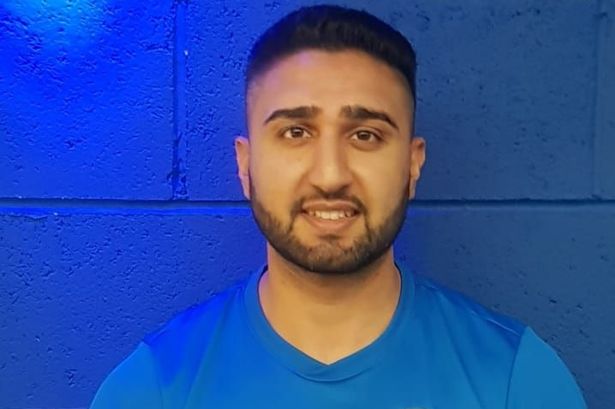
Khalid feels Ramadan is the perfect time to reflect on the past year, and be thankful for what we have (Image: Khalid Khawaja)
Pre-COVID Ramadan

As Ramadan is about family and social gatherings, either for prayers or iftars, many Muslim miss the pre-COVID Ramadan when such events were allowed.
“Normally in Ramadan I would involve friends, family and the community and have large gatherings, either in the mosque or at home,” Khalid Khawaja, owner of Fundamental Fitness, in Wetmore Road said.
“Pre-covid, we would visit different households and it would be amazing atmosphere.
“Like last year, we will miss out on that, but we have to look at the bigger picture and continue to focus on keeping one another safe.
Read Also: New Muslims: How to Prepare for Ramadan?
“Ramadan will be spent with immediate family and it will be an important time to reflect on the last year, remember those we have lost and realize the importance of family and how lucky we are.
“We will be able to go back to having those community feasts, spending time at the mosque and visiting friends and family if we have a similar Ramadan like in 2019.
“I am confident if we all continue to stick to the rules, we will be able to observe Ramadan like usual next year.”
Ramadan is the month of multiple blessings. It is the time of fasting and of extensive spiritual exercise.
During Ramadan, Muslims make special effort to find time for recitation and study of the Holy Quran, for supererogatory prayers, such as Taraweeh, and other charitable deeds.
The post Here’s How Burton Muslims Will Observe Ramadan This Year appeared first on About Islam.
source https://aboutislam.net/muslim-issues/europe/heres-how-burton-muslims-will-observe-ramadan-this-year/


Comments
Post a Comment