What Are Children Rights in Islam?
Islam’s general approach to children may be summarized in a few principles:
First, it is a divine injunction that no child may become the cause of harm to the parents (Al-Baqarah 2:233).
Secondly, by implication the parents should reciprocate and cause the child no harm either.
The Qur’an recognizes very clearly that parents are not always immune from over protectiveness or negligence. On the basis of this recognition, it has, thirdly, established certain guidelines and pointed out certain facts with respect to children.
It points out that children are joys of life as well as sources of pride, seeds of vanity and false security, fountains of distress and temptation. But it hastens to stress the greater joys of the spirit and caution parents against overconfidence, false pride, or misdeeds that might be caused by children.
Everyone relates to God directly

The religious moral principle of this position is that every individual, parent or child, relates to God directly and is independently responsible for his deeds. No child can absolve the parent on the Day of Judgment. Nor can a parent intercede on behalf of his child.
Finally, Islam is strongly sensitive to the crucial dependence of the child on the parents. Their decisive role in forming the child’s personality is clearly recognized in Islam.
In a very suggestive statement, the Prophet declared that every child is born into the true malleable nature of faith (i.e., the pure natural state of Islam), its parents later on make it into a Jew, Christian or pagan.
Child rights
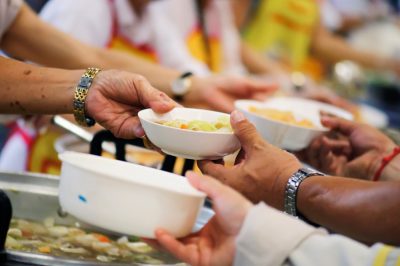
According to these guidelines, and more specifically, one of the most inalienable rights of the child in Islam is the right to life and equal life chances. Preservation of the child’s life is the third commandment in Islam.
Another equally inalienable right is the right of legitimacy, which holds that every child shall have a father, and one father only.
A third set of rights comes under socialization, upbringing, and general care.
To take good care of children is one of the most commendable deeds in Islam. The Prophet (peace and blessings be upon him) was fond of children and he expressed his conviction that his Muslim community would be noted among other communities for its kindness to children.
It is charity of a higher order to attend to their spiritual welfare, educational needs, and general well-being. Interest in and responsibility for the child’s welfare are questions of first priority.
According to the Prophet’s instructions, by the seventh day the child should be given a good, pleasant name and its head should be shaved, along with all the other hygienic measures required for healthy growing.
Caring for children is a religious duty
Responsibility for and compassion toward children is a matter of religious importance as well as social concern. Whether parents are alive or deceased, present or absent, known or unknown, children are to be provided with optimum care. Whenever there are executers or relatives close enough to be held responsible for child’s welfare, they shall be directed to discharge this duty.
But if there is no next of kin, care for the child becomes a joint responsibility of the entire Muslim community, designated officials and commoners alike.
The post What Are Children Rights in Islam? appeared first on About Islam.
source https://aboutislam.net/shariah/shariah-and-humanity/shariah-and-life/childs-rights-parents-duties/


Comments
Post a Comment