Be Grateful… You Just Took Another Breath for Free!
When my late mother was in hospital during her last days, the bill rung up no less than $1000 a day just to keep her breathing.
Now as much as we would have continued to pay every last cent we owned, it was an eye opener that little do we realize how lucky we are.

With little effort and with every passing second, the simple act of breathing is a gift to us from Allah which we sometimes forget to acknowledge. Yes, you see, you have just taken another breath for free.
Since Allah’s goodness and love is lasting, the call to give thanks to Him is not a call for a one time action but a call for a continuous action of thanksgiving.
In other words, we should thank Him daily for His unending goodness and enduring love. That is one of our foremost duties as Muslims.
What Is Gratitude?
Gratitude is an attitude of thankfulness. It is expressed through actions or words for the particular favor you received now or some time ago.
With the constant challenges we face, particularly when beginning a new phase like college, work and marriage, maybe it is an effort to offer praise and thanks.
We may not feel like it. We are struggling and we are weary. Sometimes we feel like we have been let down. Did you not get into the college you wanted or possibly marry the partner you hoped for?
It may sound cliché but by being grateful for Allah’s provisions we see something else develop in front of us and work out for the very best.
Decide to Be Grateful

Anyone trying to overcome challenges in life knows that solution begins by a positive attitude. We gain a positive attitude by first accepting His Will; recognizing that all His acts are full of wisdom; and asking Him to help us through our tough times.
Sometimes Satan makes us think that Allah is distant; that he does not really care about what is troubling us. Painful life blows and losses might have recently sent us spiraling. In life there are many instances which illustrate this.
But here’s what can make a lasting difference. We have a choice, every day, to give him thanks. And with a heart of thanksgiving, we realize that no matter what we face, Allah doesn’t just work to change our situations and help us through our problems. He does more. He changes our hearts. His power, through hearts of gratitude and focused minds on Him, releases the grip our struggles have over us.
Give Thanks
“What if you woke up tomorrow with only the things you were thankful for today?”
For me this statement was a definite eye opener. It made me realize more often than not we forget to thank Allah for our blessings.
Sometimes constant life demands, struggles, and worries give more room to defeat than to a heart of thanks.

I admit I am sometimes guilty as charged. Sometimes we forget, in the midst of our daily affairs and pressures, just to pause and give thanks, for all that Allah has done, and continues to do in our lives.
By giving thanks, we are saying to Allah, we have so much to be grateful for each and every day.
There are several levels of thankfulness. One level of thankfulness, is the gratefulness that we feel in our hearts. We should then fortify that thankfulness through our speech. And the third level is when we prove by our deeds that we are truly thankful.
Nothing turns us into bitter, selfish, dissatisfied people more quickly than an ungrateful heart. And nothing will do more to restore contentment than a true spirit of thankfulness.
Source of Happiness
Gratitude is so closely associated with happiness that the two are practically indistinguishable from one another. Because of this, it is significant we work on showing gratitude; both by actions and heart. Thankful for your eye sight? Look only at things that are good.
Thankfully you can speak; then do not fall into the trap of gossiping and backbiting!
Rich? Spend only on what you need not always what you want.
Gratitude corrects our perceptions by reminding us that everything doesn’t just happen; thus we shouldn’t take matters for granted.
Allah says in the Quran:
{And whatever of blessings and good things you have, it is from Allah} (An-Nahl 16:53)
He also says,
{And He found you poor and made you rich} (Ad-Duha 93:8)
Why Should I Be Grateful?
A spirit of ingratitude can harden our heart and chill our relationship with Allah and with others.
Do not fall into the trap that gratitude is entitlement; this brings negative feelings like disappointment and frustration. But when we feel grateful, our world fills with positive emotions like love, compassion, enthusiasm, and confidence.
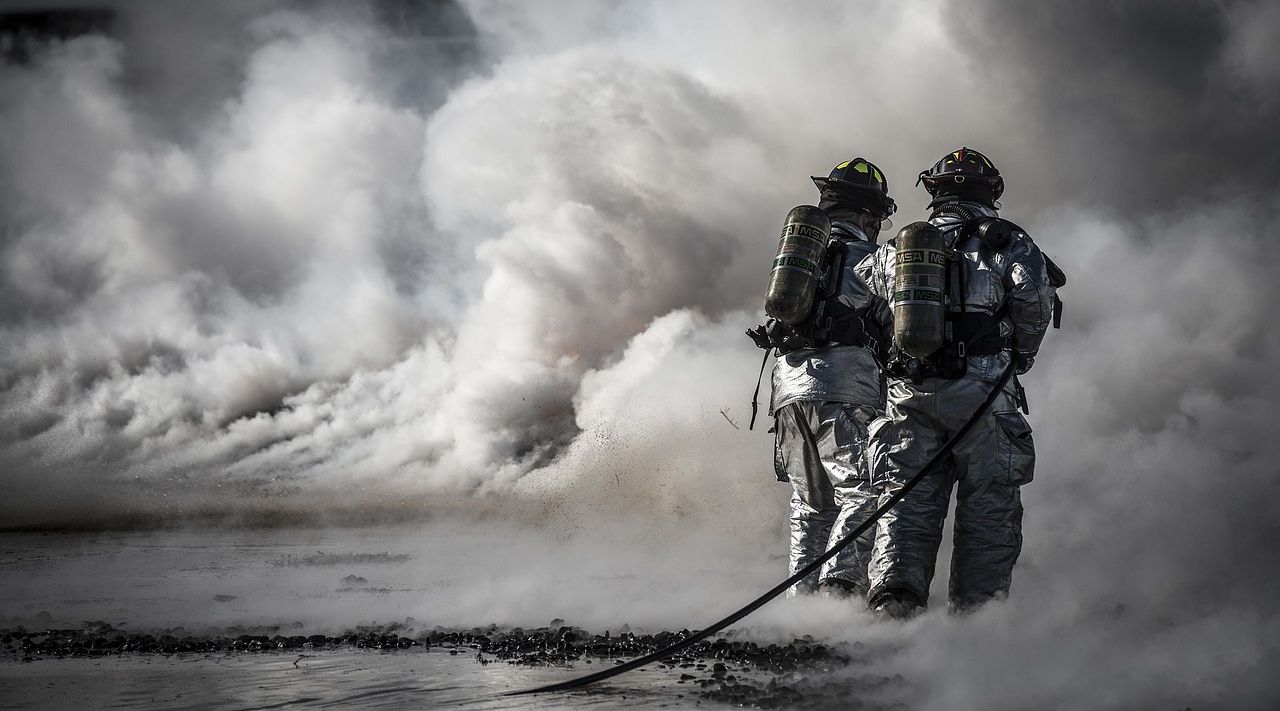
Showing gratitude to Allah pleases Him: {If you give thanks, I will give you more} (Ibrahim 14:7)
While the parallel may not be suitable but think, when you continuously thank someone for a favor then the person will continue to extend favors to you in the future. If I give you a gift and you don’t thank me I will not be inclined to give you a gift next time.
In short, gratitude is a thankful appreciation for what an individual receives, whether tangible or intangible.
The beautiful verse reads,
{Then remember Me; I will remember you. Be grateful to Me, and do not reject Me} (Al-Baqarah 2:152)
Be thankful, embrace what you have and understand that Allah is always the best of planners.
For a brief moment, not feeling like you want or need anything other than what you already have is the best form of gratefulness.
The post Be Grateful… You Just Took Another Breath for Free! appeared first on About Islam.
source https://aboutislam.net/shariah/refine-your-heart/advice/grateful-just-took-another-breath-free/


Comments
Post a Comment