UK Oldest Mosque Built By Jewish Student: (In Pictures)
Editor’s note: This article is from our archive, first published in 2018 and now being re-highlighted for its significance.
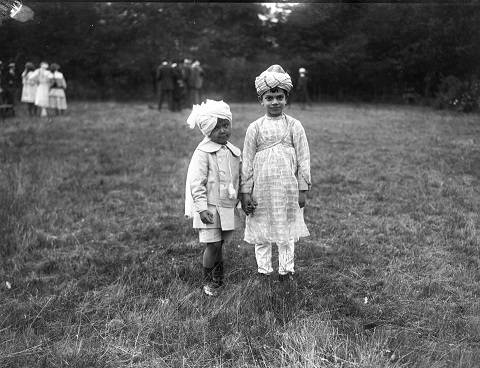
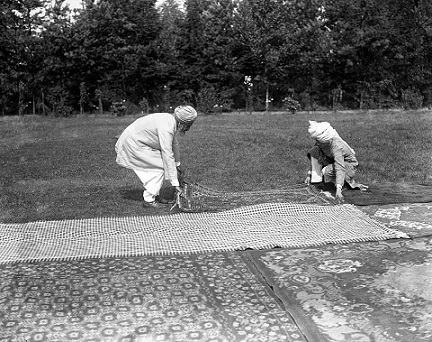
The British newspaper The Sun published on September 24 a selection of unique pictures of the oldest British mosque in Woking, Surrey, dating back to the Victorian era.
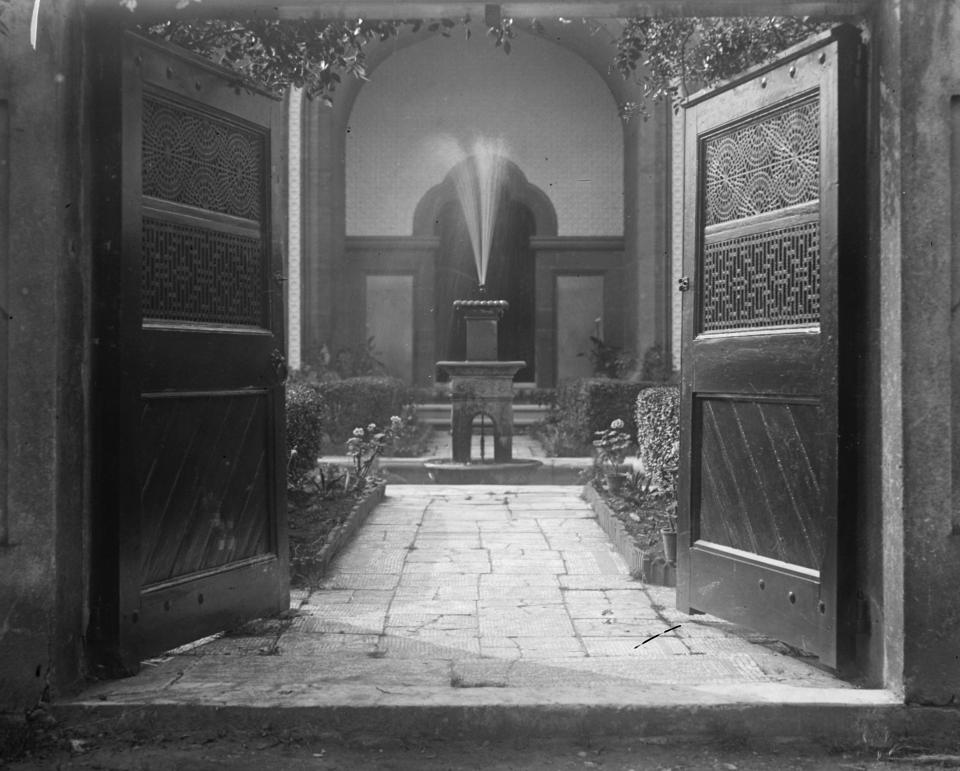
The incredible pictures show the early 20th century days of Britain’s first mosque; Shah Jahan Mosque which was built in 1889, about 50 km southwest of the capital city of London.
The beautiful mosque was designed by architect William Isaac Chambers. He incorporated elements of Middle Eastern architecture, a dome, minarets, and a courtyard.
 Read Also: Archaeologists Uncover 1000-Year-old Mosque
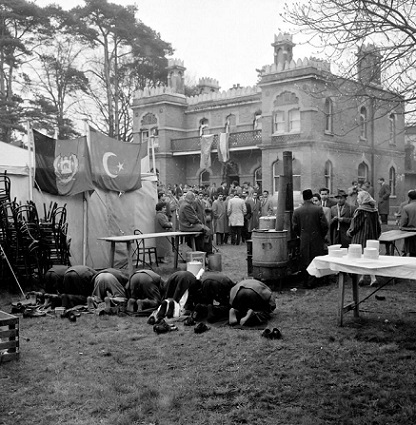
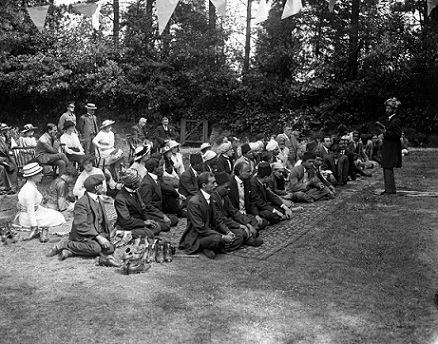
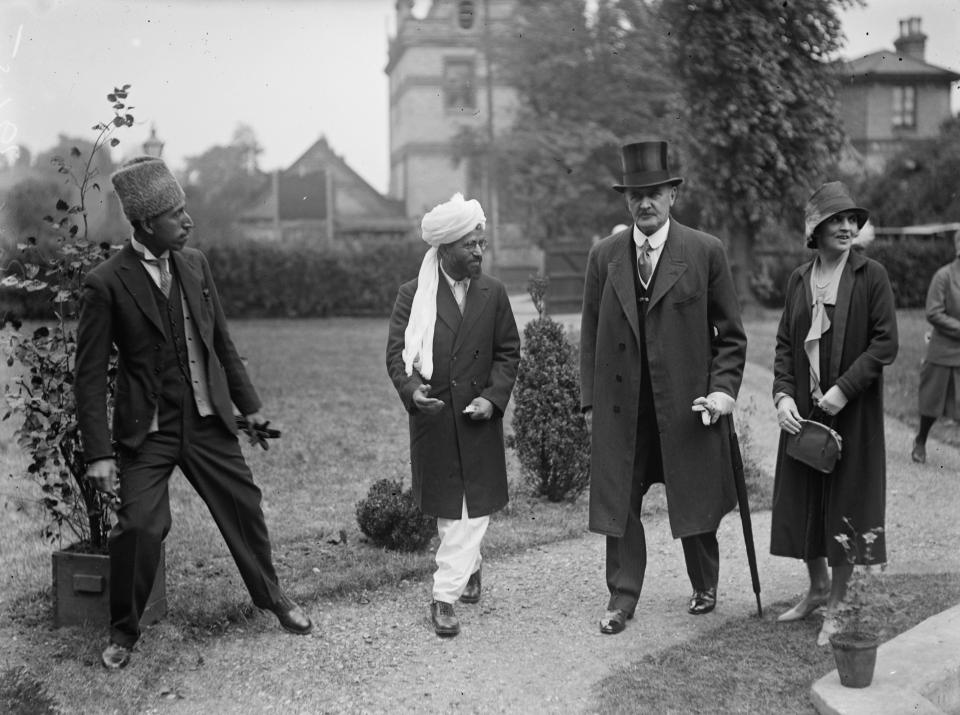
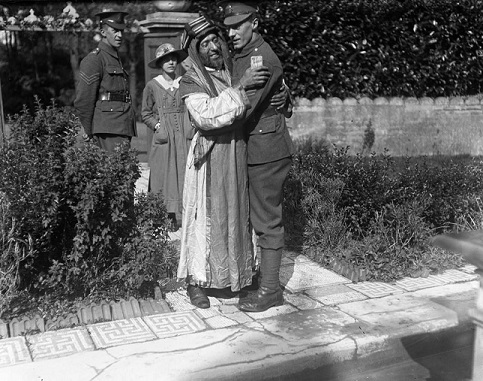
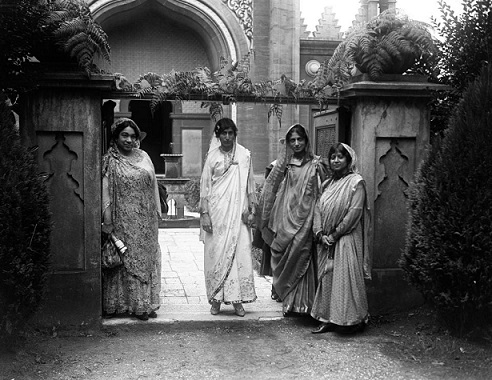
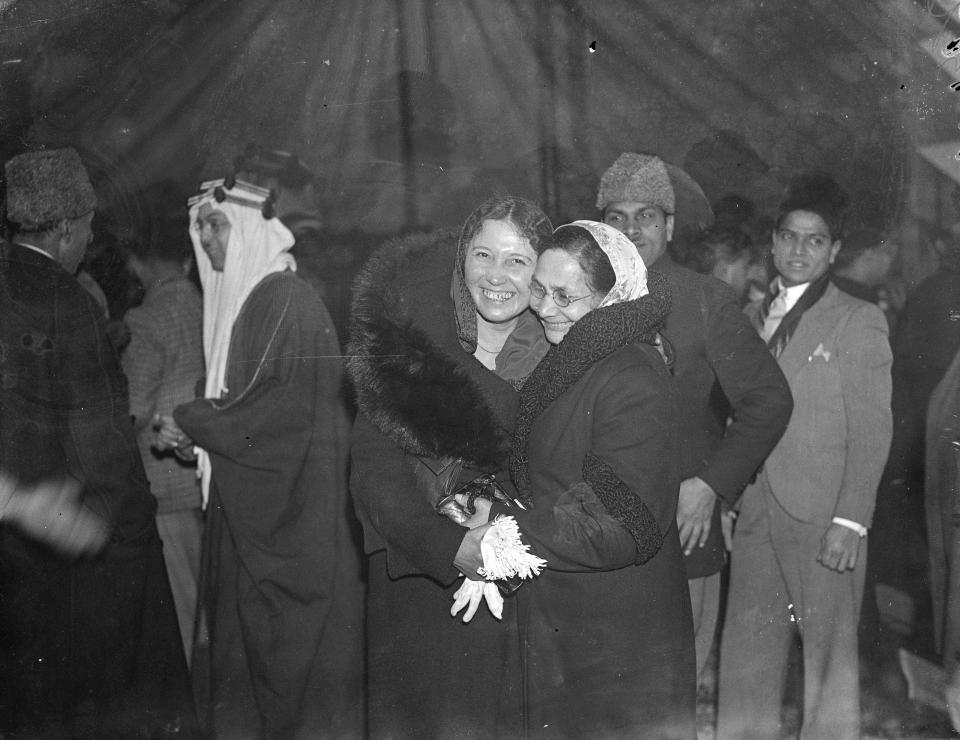
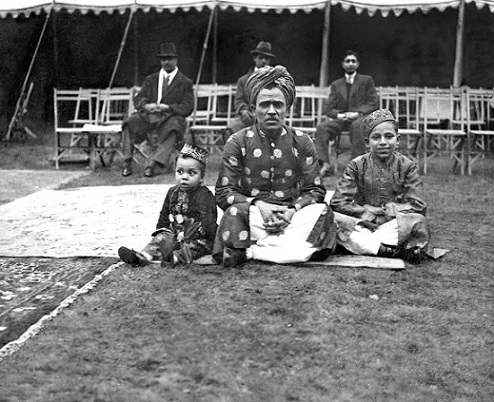
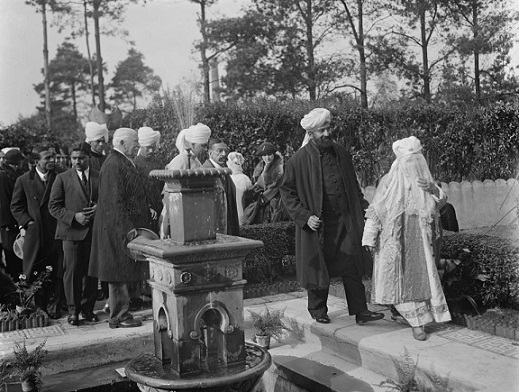
The images show the historic mosque hosting royalty and commoners alike in its picturesque grounds for important Islamic celebrations.
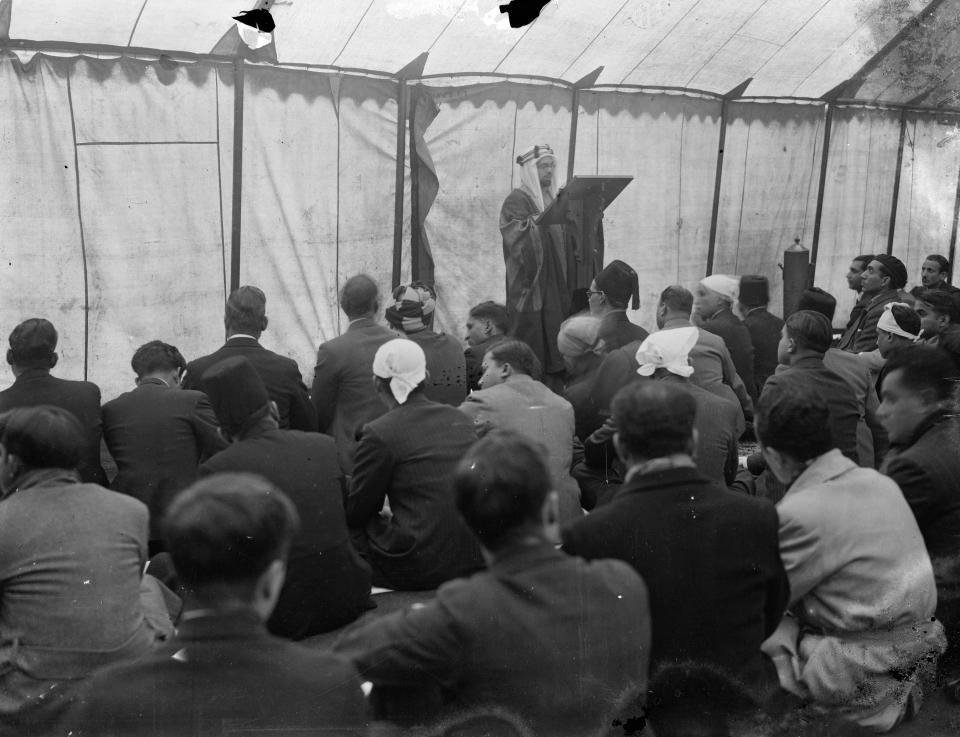
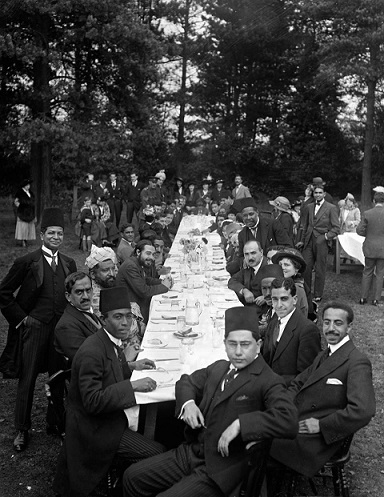
Some pictures show Muslim worshippers during the prayer of `Eid Al-Fitr in 1916, during World War I.
Other photos also depict the Field Marshal Viscount Allenby and Viscountess Allenby being received on arrival at the Woking mosque.
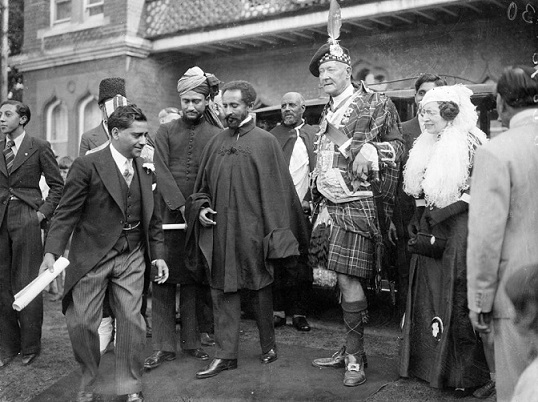
A picture showed Ethiopian Emperor Haile Selassie greeted by Sir Abdullah Archibald Buchanan Hamilton in a highland dress in 1936.



Read Also: Durham Museum Chronicles Oldest N. Carolina Muslim Community
Jewish Builder
Gottlieb Wilhelm Leitner, a Jewish Hungarian student of the languages and cultures of India and the Middle East, built the mosque.
He came to England to study at King’s College London where he was appointed Professor in Arabic and Muslim Law after graduation.
Leitner later became Principal of Government College University in Pakistan. In 1881, he returned to England to establish a center for the study of oriental languages, culture, and history.
He found a suitable building and had a mosque built in the grounds for the benefit of Muslim students who are pictured in one of the images while sharing a table at `Eid Al-Adha in 1916.
Read Also: Four Oldest Mosques in America
The mosque carried the name of Sultan Shah Jahan, Begum of Bhopal, who partly funded the mosque. Shah Jahan was one of four successive women rulers or “Begums” of the former Indian state of Bhopal between 1819 and 1926.
Shah Jahan mosque was a place of worship for Muslim members of Queen Victoria’s household including Abdul Karim, the subject of the 2017 film Victoria & Abdul.
When Leitner died in 1899 the mosque became disused. Later on, Muslims repaired and reopened in 1913. Prominent British converts to Islam, including Lord Headley, who was the most celebrated English convert to Islam in the early 20th century, supported the mosque.
During WWI, the mosque’s imam petitioned the British government to grant land near the mosque as a burial ground.
The application was granted where 19 British Indian soldiers were buried there in 1917. The Islamic Review was published from the Woking mosque, as well as English translations of the Qur’an and other publications.
The post UK Oldest Mosque Built By Jewish Student: (In Pictures) appeared first on About Islam.
source https://aboutislam.net/muslim-issues/europe/oldest-british-mosque-built-jew/


Comments
Post a Comment