Restoring True ‘Spirit of Fasting’ During the Pandemic
We could be experiencing our most significant Ramadan and greatest Ramadan experience ever in our life.
The holy month, in the time of the COVID-19 pandemic, could be the great spiritual reset many of us have longed for during previous Ramadans but have never quite achieved.
 Read Also: DIY Ramadan Decoration Ideas
This year, Ramadan will be a month to remember and to engage in the true spirit of fasting as the ritualism will be taken out of the ritual of fasting.
We are all naturally anxious about the pandemic and worried about family and friends and what the future holds.
We are together in our fears and anxieties and we are being reminded that we are a human community and we are responsible for each other.
This pandemic also reminds us that we are all equal in our vulnerability and fragility.
At no other time than now do we need blessings of Allah and the month of Ramadan to relieve our burdens.
In Ramadan, Allah is presenting us with the optimal conditions to gain His mercy, and seek His forgiveness and salvation.
This pandemic, in an extreme way and through isolation, has pulled away the veil on worldly life that is increasingly defined with accumulating material things.
This pandemic has forced the world to abstain from these materialistic desires.
Every year, Ramadan comes to remind us that to get closer to Allah we must isolate ourselves from the desires and attractions of worldly life.
Ramadan has come to unsettle our settled lifestyle to reach a higher level of awareness of Allah.
Fasting in Ramadan should force us to question the way we relate to wealth and consumption.
Ramadan should give us sensitivity to the injustices in our society and world.
During this month, we should seek out those who need help, giving and sharing with others, and helping as much as possible in the community.
Most importantly, Ramadan comes every year to ask us – Where is Allah in my life? What meaning have I given to my life?
Over the past few weeks, this pandemic has forced us to ask these questions and to evaluate our life.
Ramadan comes as a blessing because it offers us the chance for intense introspection.
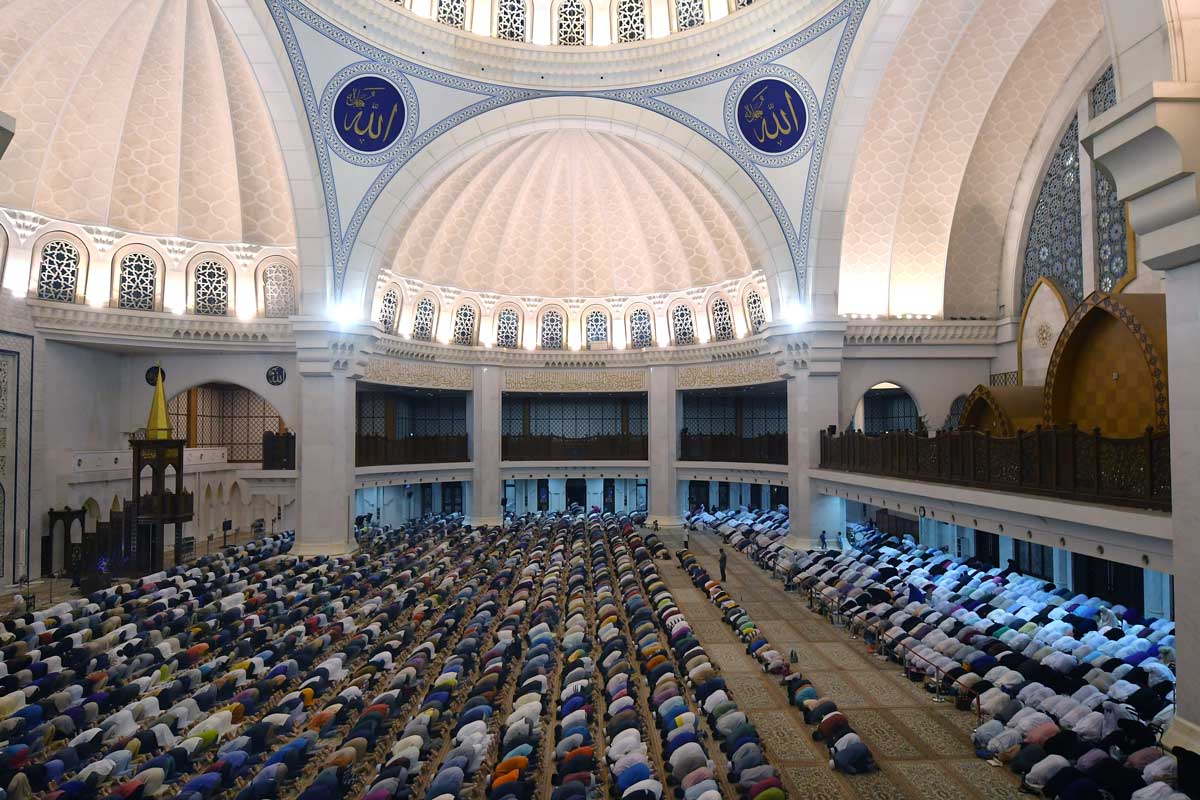
This year, we will be observing Ramadan within our household, fasting and praying, with no large community iftar gatherings and nightly prayers in the mosque.
During this unprecedented time, mechanical fasting should give way to a fasting based on faith and seeking the pleasure of Allah.
During this unprecedented time, multi-course iftar meals and dinners should give way to restraint and simpler meals.
During this unprecedented time, Ramadan will give us an opportunity to engage in self discovery.
Such self discovery is what fasting in Ramadan is all about – to bring us closer to Allah, to mend our relationship with Allah, and to heal the brokenness in our relationship with Allah – ‘It is a wellspring for the spiritually dry, a compass for the spiritually lost, and inner nourishment for the spiritually hungry.’*
Reference:
*Rev. Thomas Ryan, CSP, The Sacred Art of Fasting: Preparing to Practice (Woodstock, Vermont,SkyLight Paths, 2005).
The post Restoring True ‘Spirit of Fasting’ During the Pandemic appeared first on About Islam.
source https://aboutislam.net/muslim-issues/n-america/restoring-the-true-spirit-of-fasting-during-the-pandemic/


Comments
Post a Comment