Can My Thoughts Heal Me?
- Our thoughts and emotions can affect our physical health.
- Chemical messengers called neuropeptides connect our systems, organs, and cells.
- Chronic stress can down-regulate our immune system’s ability to fight invaders and infections.
Mental state and thought patterns are reflected in our physical health. Our thoughts are stored somehow in all our cells. They dictate cells’ actions and reactions; they relate happiness and health or condemn misery and disease.

Dr. Candice Pert, the internationally recognized pharmacologist who discovered the Opiate Receptor in the brain, spent years researching and exploring neuropeptides. She calls them ‘molecules of emotions’.
These are chemical messengers circulating in our body, connecting our systems, organs, and cells. They have receptors on all body cells. The receptors for neuropeptides that signal brain happiness, elevated mood, or motivation, for instance, can also be found in our white blood cells, stomach, intestine lining, and gonads.
Does this mean that our immune cells, our stomach, and all our organs feel and understand our mood and emotions, as well as our brain, can perceive them? Dr. Pert surely believes so.
When you are sad, every cell in your body feels sad: your stomach is sad, your immune cells are sad, your liver is sad, your gallbladder is sad…when you are depressed, angry, frustrated, motivated, joyful, hopeful, grateful… all these emotions are converted into ‘molecules of emotions’ that deliver the message all over your body to every cell of your being.
Whenever you feel a physical symptom creeping in, look for the mental pattern that triggered it, teaches Dr. Deepack Chopra. For every illness, there is a mental pattern. Why don’t all people fall ill in epidemics, or catch cold in the flu season?
Why don’t identical twins show the same pattern of cancer, allergies, hypertension, diabetes, or heart problems if these, as we use to think, are gene-related?
The vulnerability is there in the genes and the viruses and bacteria could surely be there in the air, but they need a fertile land to grow and manifest their symptoms.
Stress: Ailment of Our Modern Society

When we are under stress or in emotional distress, when we hold anger, envy, fear or grudge, these feelings are translated in our body into chemical reactions led by a series of hormones, neuropeptides, and neurotransmitters.
Our brains don’t differentiate between real or hypothetical danger. Whether you are attacked by a tiger or by the stock market index, the same stress hormones are released in your system: A blast of adrenaline that activates a fight or flight response. It raises your blood pressure, pumps sugar into your blood, speeds up your heartbeat’s rate and slows down your digestion.
The difference here is that in case of an attacking tiger, your running, fighting or fleeing dissipate the excess sugar in your blood and use up the extra energy, and as you retreat away from the danger, your whole system can rest and restore its natural state.
On the other hand, when the attacking agent is an unfair boss, a global economic crisis, a disturbing teenager or an abusing spouse, you do not run for your life, you just sit on your sofa fretting.
The triggered fight and flight response is thus here to stay and your adrenal glands keep pumping more hormones into your system; you stay alarmed, your cortisol level rises and with it comes further an increase in blood sugar levels and reduction of the immune response.
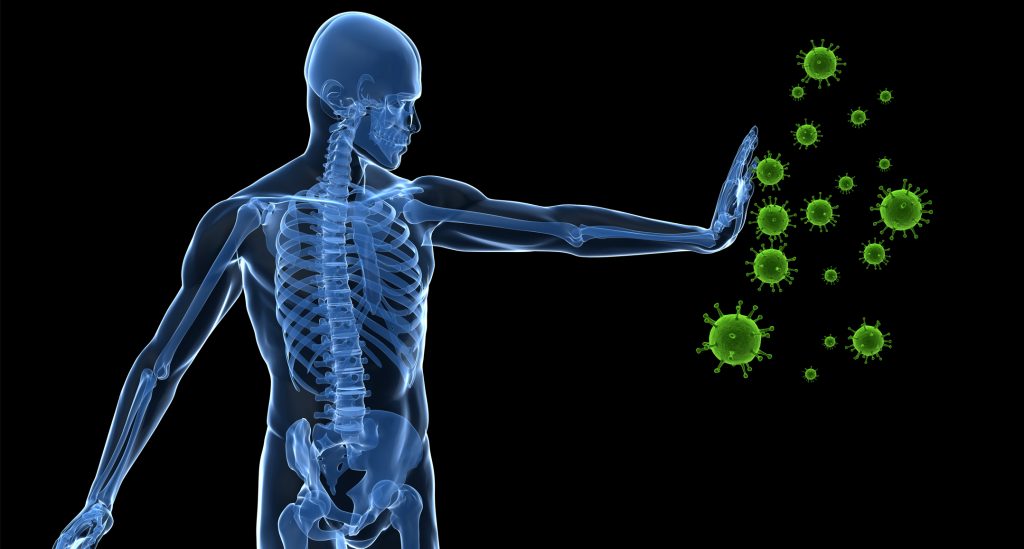
Chronic stress down-regulates our immune system’s ability to fight invaders and infections. It suppresses immune cell proliferation, hinders antibodies production, and suppresses the function of natural killer cells, the cells responsible for attacking tumor (including cancer cells), viruses and abnormal growth.
The post Can My Thoughts Heal Me? appeared first on About Islam.
source https://aboutislam.net/muslim-issues/science-muslim-issues/can-thoughts-heal/


Comments
Post a Comment