Homeschooling Hiccups: Challenges Outside the Box

Homeschooling parents often talk about the joys of homeschooling their children since they are able to build strong relationships with them and encourage them to develop as individuals.
In essence, homeschooling does entail gleeful shrieks while running in fields of bright marigolds, but this does not mean it comes without challenges.
Just as families with school-going children face a myriad of challenges on a daily basis, homeschooling families are not spared from chaos, mayhem, tears, and some heartache.
But with all the choices that we make, we do face hardships, and the easiest way to resolve this is to turn to Allah for guidance, as He, in His Supremacy, has already promised two eases for each hardship.
So, if homeschooling seems up your alley, but at the same time, the alley does not always seem so bright, know that challenges come in all shapes and sizes.
And as you educate your children outside of the mainstream box, there are ways to also overcome these challenges while going against the grain of what is perceived to be the norm.
The House Is a Shipwreck
Yes, the children are practically living in the house 24/7. There is no downtime; they disappear for eight hours a day, five days a week, and 30 weeks per year.
And while you are tidying up the blocks, they are dismantling the toaster. While you fix that, they have flooded the laundry room in an experiment with bubbles.
There is no end. And really, it’s not the house that’s a shipwreck; it’s the home school that’s a shipwreck.
While feelings of dire straits may arise and a pressing need to cart them off to school becomes a recurring fantasy, remind yourself that it’s their house too.
Many families grow up living separate lives, and many a time, children are cordoned off to their bedrooms or the playroom to give adults the space and time they need.
While this is reasonable and possibly encouraged because adults do need downtime, we have to remember that children are important members of the family as well.
Allowing them to be actively involved in what happens in the house helps them build a grounded identity for the house they live in and the families they surround themselves with.
So the house may always look like it’s been hit by a tornado, but it’s really not the end of the world. In many ways, it can help imbue gratitude for having the freedom and space to allow them to develop in a non-prejudiced, non-judgmental environment.
In time, they will also learn to be responsible for their actions, and as they come of age, household chores are in tow.
Hanging Out with Peers, or the Lack of Them
Many homeschoolers worry about this. It can’t be helped. One noticeable challenge for homeschoolers is peer interaction, or, generally, the lack of peer interaction.
Well, depending on the time and place of the homeschooling family, more would be exposed to peers, perhaps those on the same journey.
Although peer interaction seems like the bane of childhood development, it is often blown out of proportion by homeschooling naysayers.
There’s a lot to be said about socialising and socialisation skills, and some of it actually revolves around the need to be with peers for a great chunk of the time. Homeschooling interaction with others involves, really, interacting with everyone.
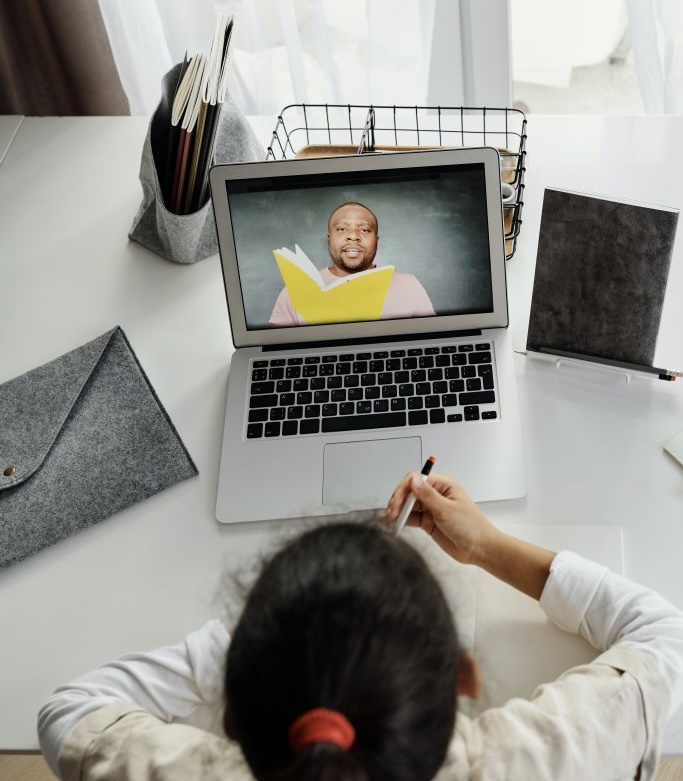
While homeschooling families hang out, they bring socialisation to a new level, encouraging children to work with other adults, speak to them, listen to them, and form opinions based on what they learn.
Peer interaction—-or too much of i—-sends a message of conformity or rejection. If you do not conform to the peer norm, feel free to self-reject yourself from the circle. Though this may seem harsh, it’s common in the classroom setting.
Homeschooling gives the advantage of hanging out with like-minded individuals, regardless of age and upbringing, and often makes homeschool socialising a family affair.

Everyone in the family is encouraged to interact in the circle rather than live separate lives on a daily basis.
Of course, there will be times when friends differ between siblings, and that is part and parcel of children building their own niche. Most importantly, the family unit becomes more important than the need to associate with peers.
Click to read more…
The post Homeschooling Hiccups: Challenges Outside the Box appeared first on About Islam.
source https://aboutislam.net/family-life/moms-dads/homeschooling-hiccups-challenges-outside-box/


Comments
Post a Comment