Juggling Motherhood and Celebrating `Eid
`Eid is almost here. It’s you, your husband, this great festivity, and… a truckload of children.
Even on “normal” days, quite a lot of the havoc can be overwhelming. Preparing food, getting out of the house, and keeping those tantrums at bay—it sounds like it can’t be done.
Nevertheless, when there is a will—and plenty of du’a for a smooth and satisfying Eid—there is always a way.
So, here are some tips to juggle being a mum and celebrating `Eid as a family.
Rope in Your Husband
As we mother our children, we should always get their dad actively involved.

Some husbands need more coaxing than others, but do persuade your husband to speak to your children about `Eid and tell them about the importance of this day for all Muslims and why it’s a good idea to be a cooperative team member of the family the next day.
Also, ask your husband to help out with any chores that fall out of your reach.
Juggling children effectively requires a strong partnership, so split the tasks and even involve your older children in Eid preparations.
Practice` Eid Prayers with your Children
You may also want to run through the `Eid prayer with the children, since it’s different from the obligatory prayers and only performed twice a year.
This will help them be able to follow the congregation in the Masjid.
Also remind them that though running and playing are ok for the younger ones, it’s better to sit down together and listen to what the imam has to say before or after the `Eid prayer.
It’s about being respectful and diligent about worship and the other people who are there to engage in worship.
Plan Your `Eid Meals
If you’re planning to stay at home for `Eid, plan a hearty but easy-to-prepare meal.
It’s easier to cook in bulk for visitors. And while it’s nice to have a nutritious meal, spending too much time in the kitchen can also be taxing, unless you’re the type who thrives on culinary contributions.
Make Headway the Night Before
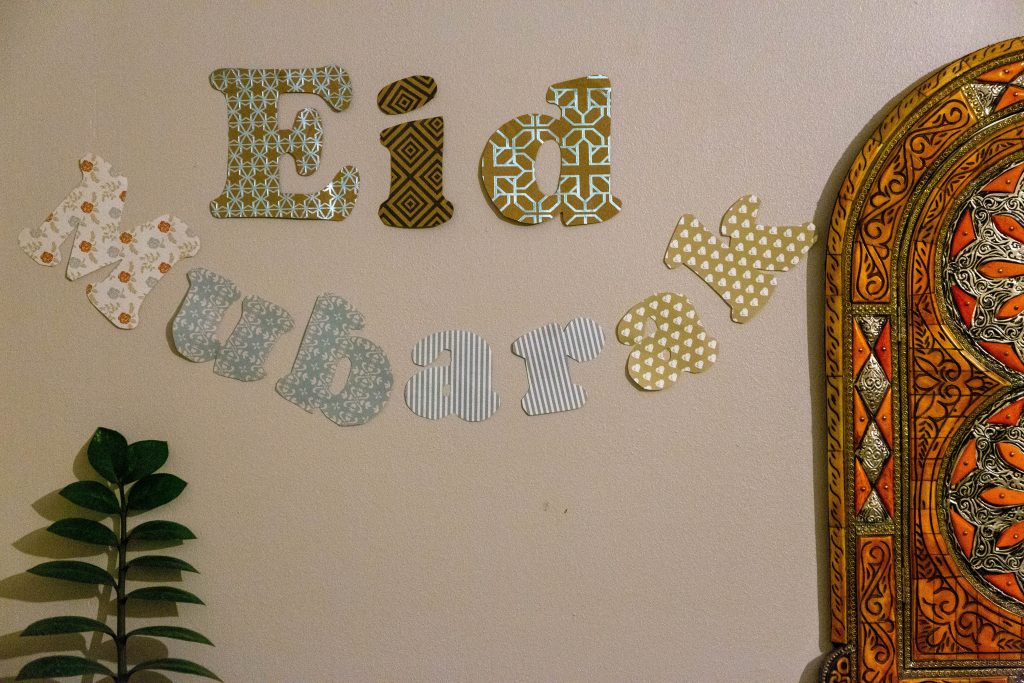
It’s the night before `Eid—take a break and relax. Put on some Qur’anic recitation and try to put the kids to sleep early.
Yes, they get excited, but assure them there is a long day ahead of them: Eid!
Prophet Muhammad (peace and blessings be upon him) has always advised to retire to bed right after Isha’ prayers.
So in order to rise bright and early—and without the crabby complex—make sure the children receive ample rest and sleep the night before.
Also, plan your trip to the Masjid the night before. What time do you have to leave? What’s the easiest route there? Is there a longer route you can take back?
The Prophet Muhammad (peace and blessings be upon him) used to take different routes to and from the Masjid so he could meet a wider array of people and greet them. Perhaps this is a nice sunnah to put into practice.
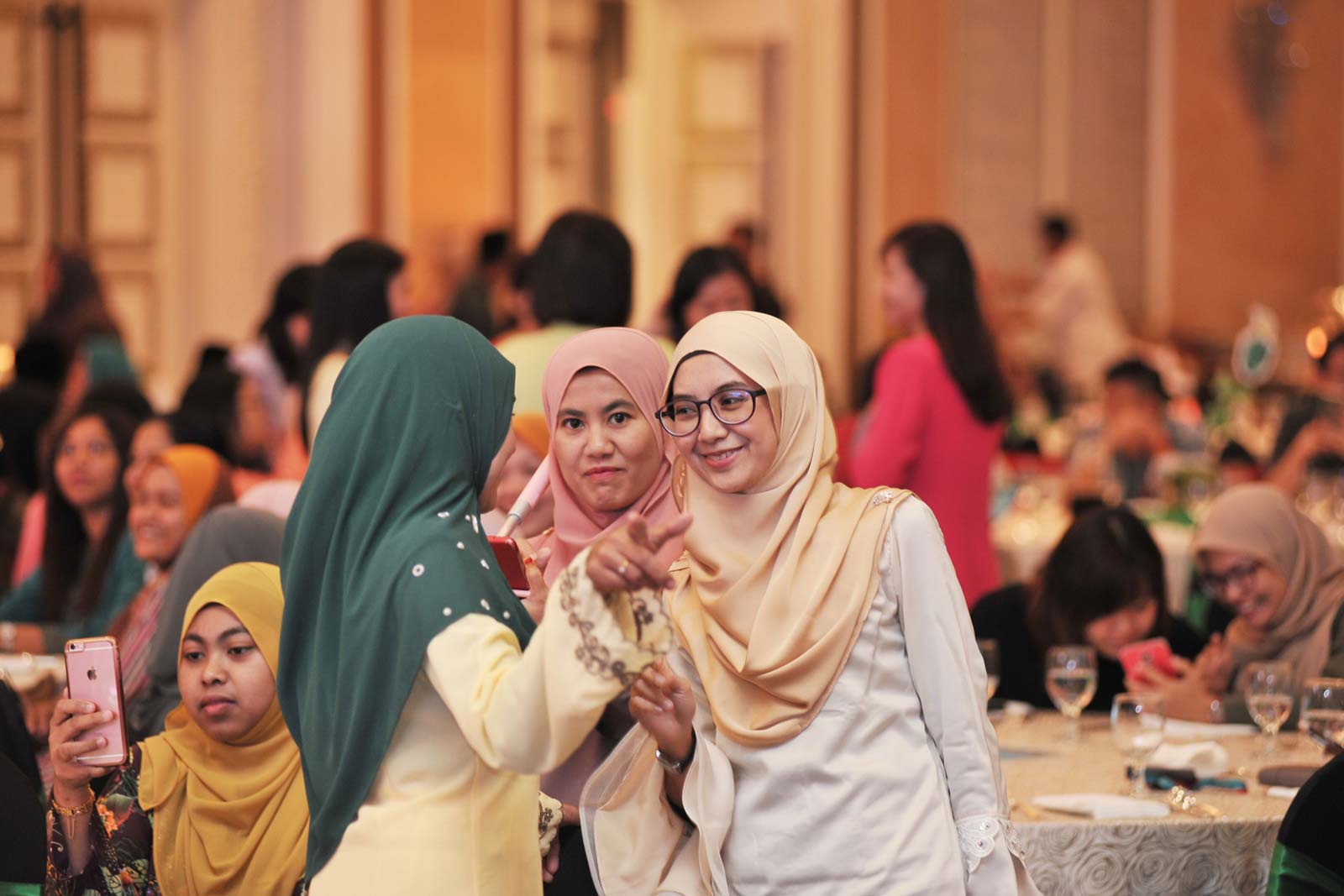
What time do you have to leave the house? This will help plan bath and meal times in the morning. This is important, as leaving the house with kids can be challenging.
At best, wake them up a little earlier so they can have the chance to eat leisurely without much fuss.
Prepare their outfits the night before. Make sure the entire outfit is available and can be worn immediately.
The last thing you want is to be running around like a headless chicken trying to get everyone dressed.
Do you have presents for children or donations for `Eid?
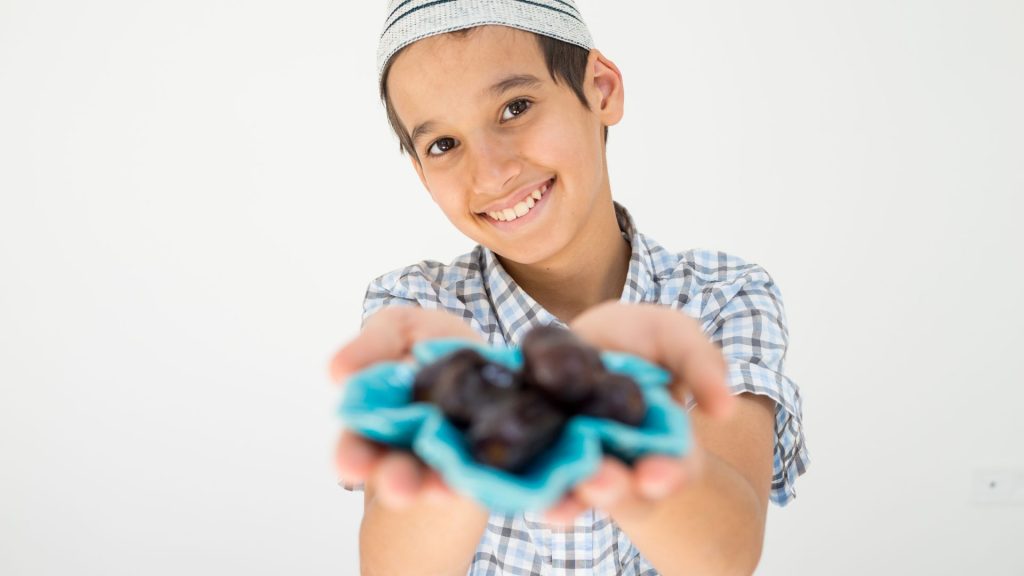
Pack them up before the big day and keep them in a place that you will remember. Use a memo to remind you when you need to bring them along as well.
Lastly, tidy up the house together. A neater house will help everyone feel relaxed and calm.
Granted, it’s not always easy with children, and toy boxes tend to disintegrate when they are around, but try to keep away the clutter so you can leave for the Masjid the next morning in peace.
Dressing Up the Family
Dressing up is a big thing for children. So do dress them in their best or new outfits for `Eid as this is part of the sunnah.
Taking pictures of them on this big day serves as a great moment for the family.
Remind Them of the Importance of `Eid
It normally doesn’t take much to celebrate with children, but do remind them of this great festival for Muslims.
Making a big deal out of `Eid curbs future interest in more cultural or media-driven celebrations, which are often appealing and overwhelming for little children.
Take an Opportunity to Think of the Less Fortunate
While in celebration, do take the opportunity to think of those who may not be celebrating `Eid the same way as your family.
Take time to make du’a as a family for Muslims caught in war zones. Make du’a for Muslims in impoverished countries.
If there is an opportunity to visit orphanages or old folks’ homes on `Eid, take the time to do so. Some homes could do with some extra shine on the big day. But do plan ahead, as they may have their own plans too.
Being reminded of the less fortunate, reminds us of how we should celebrate `Eid as well, in a humble and dignified manner.
Celebration is also for the sake of Allah, so be mindful of what is permissible and the types of elements of celebration that we should avoid, like wastage, overeating, and/or excessive entertainment.
Plan the Trips and Pack those Snacks
If you’re out and about for `Eid, do plan wisely as well. Whom are you visiting?
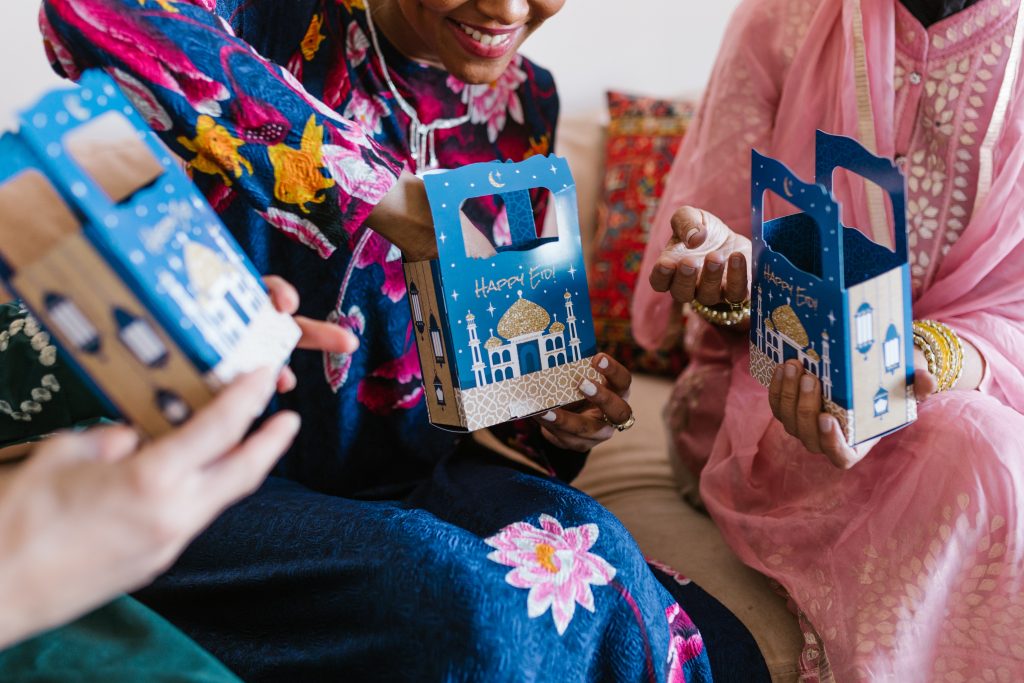
Are you bringing gifts or snacks? What is your travel timeline like? Also, packing snacks for the kids is a good idea.
Since it will be an exciting day ahead, they may be too busy to eat. Make sure they receive adequate food intake, and this will help curb any potential tantrums.
Also, make provision for quiet time. Even the calmest children running on adrenaline can sometimes break down in tears. So be mindful of their restful phases.
Find a Comfortable Excitement Threshold for the Children
If things are bordering on havoc, as they usually do with children, pace yourself. The last things you need are emotional breakdowns on `Eid.
Take time to sit with the kids and let them do the things they enjoy. If they’re feeling unhappy about going out too much, stay indoors and spend time with them.
If they feel overwhelmed, find a quiet place to wind down. As a family, celebrating Eid isn’t much fun, even if only one family member is feeling a little blue.
Eat, Drink and be that Muslimah Mama!
Lastly, make sure you enjoy yourself. You’re a Muslimah Mama; take time to enjoy your `Eid the way Allah intended.
Even if it’s just having a laugh over a meal with family, savor the moments on this great day.
Remind yourself of all the opportunities for worship in the coming months that come in all shapes and sizes, and always thank Allah for guiding you to Islam.
Eid is a great time to reflect on the blessings that Allah bestows on us.
So remind your husband how special he is, and tell your children that you love them unconditionally. There’s something magical aboutEid as a family.
It can be calm and collected and roll into sheer havoc within the same hour.
But that’s the beauty of being a mother and knowing that you can, no matter how challenging, juggle that wonderful task of motherhood while celebrating this special day.
The article is from the archives.
The post Juggling Motherhood and Celebrating `Eid appeared first on About Islam.
source https://aboutislam.net/family-life/moms-dads/juggling-motherhood-celebrating-eid/


Comments
Post a Comment