5 Ways to Help the Needy This Winter
As a group, Muslims are exemplary in alms-giving and and providing services to those in need. Charity is built into our Sunnah.
During these exceptionally difficult winter season, we can push a little to give more and commit to some proven effective long term measures that reduce suffering.
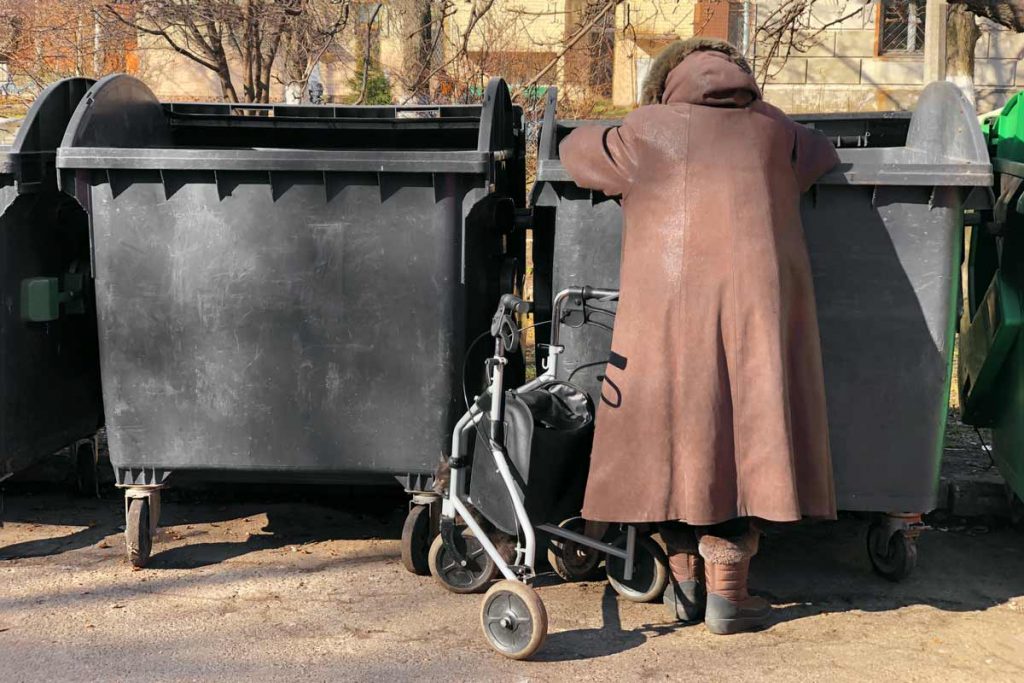
Homeless people, refugees and those who have been reduced to begging on the streets are certainly in dire need.
Imagine the pitiful conditions of street children during these days when the temperature drops below zero.
So as winter bites, here are five ways to help people desperately in need:
You can do these!
1 – Start with a Smile
It’s one of the simplest charities many poor people crave for. Maybe you can’t do anything for them today, but this one, you can do. Smile and let them know, “I’m sorry I can’t today,” but believe in your heart that inshaAllah you will do something.
Whosoever of you sees an evil, let him change it with his hand; and if he is not able to do so, then [let him change it] with his tongue; and if he is not able to do so, then with his heart — and that is the weakest of faith.” Prophet Muhammad, On the authority of Abu Sa`eed al-Khudree, [Muslim]
2 – Feed Someone
Add a meal to that smile. It’s that simple. Headed to lunch? Pick up something extra and gift it to someone in need. Feeding someone by your hand is loaded with barakah and humbling.
3 – Provide Some Relief
Many organizations are now encouraging individuals to create and distribute their own emergency relief packages. The idea is simple yet ingenious. Take a gently used purse, tote or backpack and fill it with essentials that homeless and people in need can’t readily access. Fill your relief package with:
- Toiletries (multipurpose soap, good moisturizer for winter, pads for women, travel tooth brush, nail cutters, hand wipes are always super appreciates, etc.)
- Warm Socks and Gloves
- Shelf Stable Snacks (Peanut butter, cheese, tuna, granola bars, chocolate is always appreciated and good for you too!)
- Gift Cards to Local Groceries
- Reusable Water Bottle
4 – Donate
It’s the easiest and often most effective way to give. Choose one of the many tireless charities supporting homeless people, refugees and street children. Commit to supporting them for at least three to six months through an automatic process of donating. You can also donate clothes, not only money.
Empty Your Closet
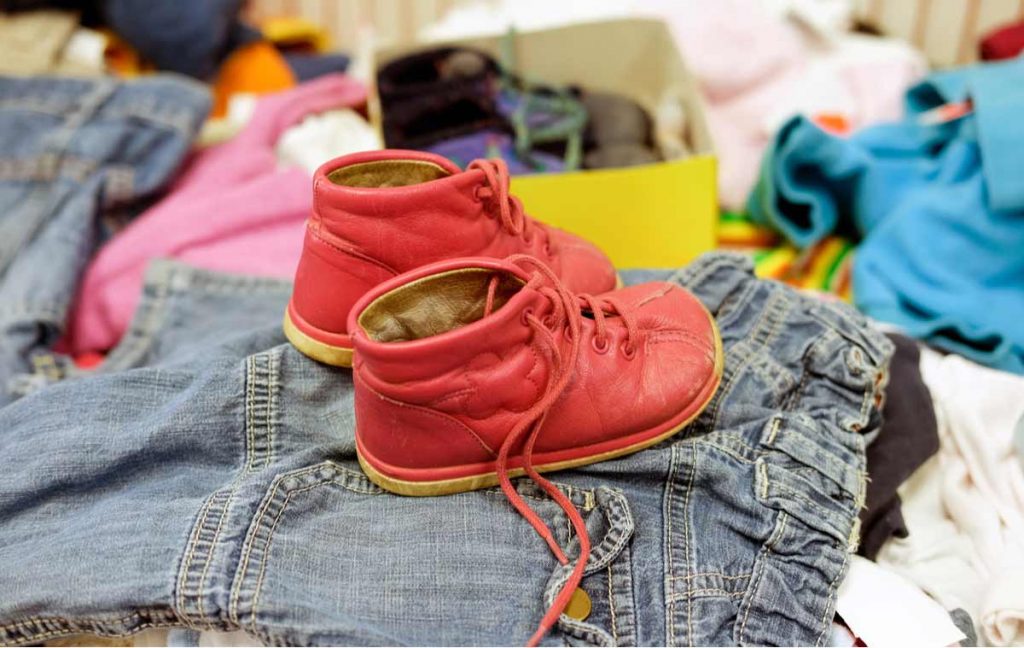
But don’t give it all to charity and thrift shops. Take warmer items and staples (such as jeans and sneakers) to homeless shelters or refugee services that are accepting such donations. If you can afford to purchase a few warm things to donate, go ahead and do that too.
5 – Volunteer
With the increase in need comes the increase in work to be done. Shelters are full to capacity, needing cleaning and other hands. Donated items don’t bundle and distribute themselves. There is loads of work you can do to help homeless people, refugees, street children, and those in most need. Have a brisk walk or drive to one of the services in your area, join up and volunteer.
It’s challenging to track how many homeless people die during these harsh months, but deaths are only part of the problem. The grim elements also contribute to many other problems.
“We know that while people won’t necessarily be dying of hypothermia, any extreme weather conditions exacerbate existing health problems and makes those underlying problems like mental health or addiction more difficult to cope with,” John Clifton, Salvation Army Captain.
While you can start helping now, while the need is highest, know that some of these efforts may go towards decreasing suffering next year and those after. Truly every little bit can help.
The post 5 Ways to Help the Needy This Winter appeared first on About Islam.
source https://aboutislam.net/family-life/muslims-4-humanity/5-ways-to-help-the-needy-this-winter/


Comments
Post a Comment