Essex Promises Diversity Education after Muslim Player Beer Incident
In several occasions, several Muslim stars have tried to avoid alcoholic awards and celebrations due to their Muslim faith which prohibits alcohol.
Therefore, it shouldn’t be surprising that the scene showing Essex cricket player pouring beer on the head of his Muslim team-mate has triggered many sensitive comments.
The incident, caught on camera, showed Feroze Khushi, who was 12th man for Sunday’s game against Somerset, grimacing as beer was poured over his head by one of his teammates as they celebrated winning the Bob Willis Trophy, NZ Herald reported.
 Read Also: Sonny Bill Williams Refuses Shirt with Gambling Sponsor Logo
Essex club has issued a statement, promising to improve awareness of cultural differences among team members.
“Essex County Cricket Club prides themselves on their work within multi-diverse communities throughout the county and the surrounding areas,” the club said in a statement published by local media.
“For a substantial period of time, Essex have had a multi-diverse team with players from different backgrounds, religions, and races, where cricket is at the heart of these communities.
“The club has worked extremely hard and will continue to bring cricket to anybody and everybody, and educate on diversity, but further work needs to be done … to widen people’s knowledge and make them more aware of cultural differences.”
Criticism

Despite the Essex club statement, some Muslims criticized the club for failing to apologize for the incident.
“I’m not really satisfied with that,” Sajid Patel of the National Cricket League told ESPNcricinfo.
“We’ve been discussing such issues for a long time. I would have thought the answers to these issues had filtered down by now.
“I don’t think there’s any benefit in blaming one, young player. Looking at those photographs, it seems the issue is more about ignorance than malice. No doubt the young man will learn from the experience.
“But I do blame the whole system. I do blame the team manager and the senior players who didn’t foresee this problem. I do think the PCA should be doing more to educate young players in this regard.
“We’ve seen the England team manage their celebrations in such a way that the Muslim players are included. We should be better than this by now.”
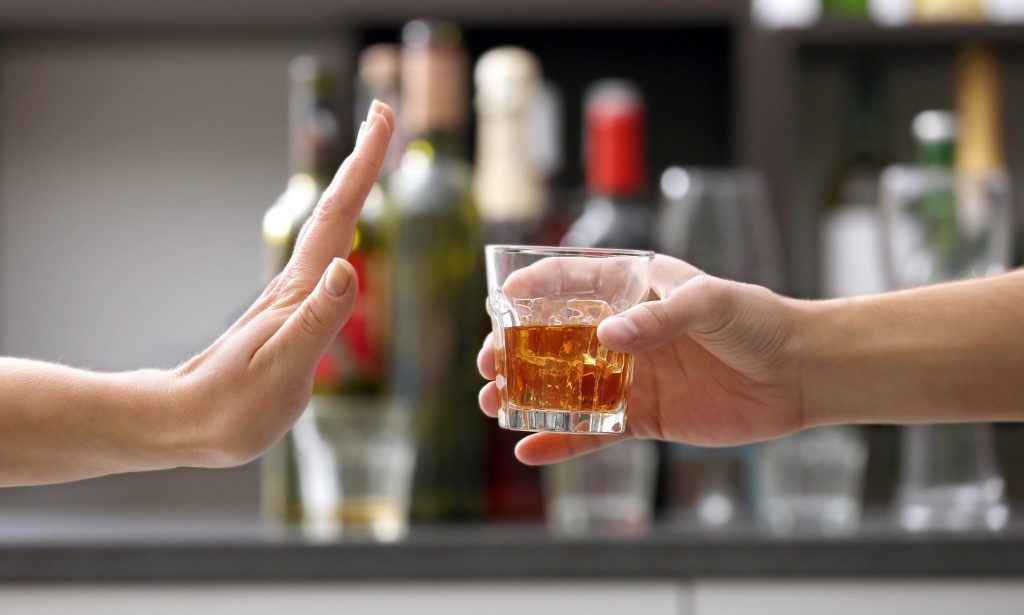
Islam and Alcohol
Islam takes an uncompromising stand in prohibiting intoxicants. It forbids Muslims from drinking or even selling alcohol.
The general rule in Islam is that any beverage that gets people intoxicated when taken is unlawful, both in small and large quantities, whether it is alcohol, drugs, fermented raisin drink or something else.
Alcoholic awards have been quashed in the Premier League by Muslim stars.
In 2018 Russia World Cup, Egypt goalkeeper refused his Man of the Match award, as it was sponsored by beer maker Budweiser.
In 2012, Yaya Toure turned down the traditional post-match bottle of bubbly. He said, “I don’t drink because I am a Muslim, so you keep it.”
The post Essex Promises Diversity Education after Muslim Player Beer Incident appeared first on About Islam.
source https://aboutislam.net/muslim-issues/europe/essex-promises-diversity-education-after-muslim-player-beer-incident/


Comments
Post a Comment