Space-Time Correlation in Inferring Islamic Rulings
In inferring rulings related to a particular spatiotemporal setting, classical Islamic jurists invariably emphasized a close correlation between the primary texts of Islam and local realities.
Giving opinions or passing verdicts only based on the letter of the texts, without understanding the spirit and without considering circumstantial factors, may be detrimental and create controversies. This may even make a particular Islamic teaching irrelevant to society.
Two kinds of reading

In this regard, what Taha Jabir al-Alwani says in his essay “The Islamization of Knowledge: Yesterday and Today” (1995) is pertinent. He proposes two kinds of reading which are necessary and important to understand Islamic teachings: reading God’s revelation (the Quran and authentic Sunnah) and reading His creation (the real-existential).
He argues,
“To undertake a reading of either without reference to the other will neither benefit humanity nor lead it to the sort of comprehensive knowledge necessary for the building and maintenance of civilized society or to knowledge worthy of preservation and further development or exchange.” (P. 85)
Local scholars and local issues
This particular principle of Islamic jurisprudence became clearer to me when I attended a talk by renowned Malaysian academic and public intellectual Mohd. Kamal Hassan (1942-).
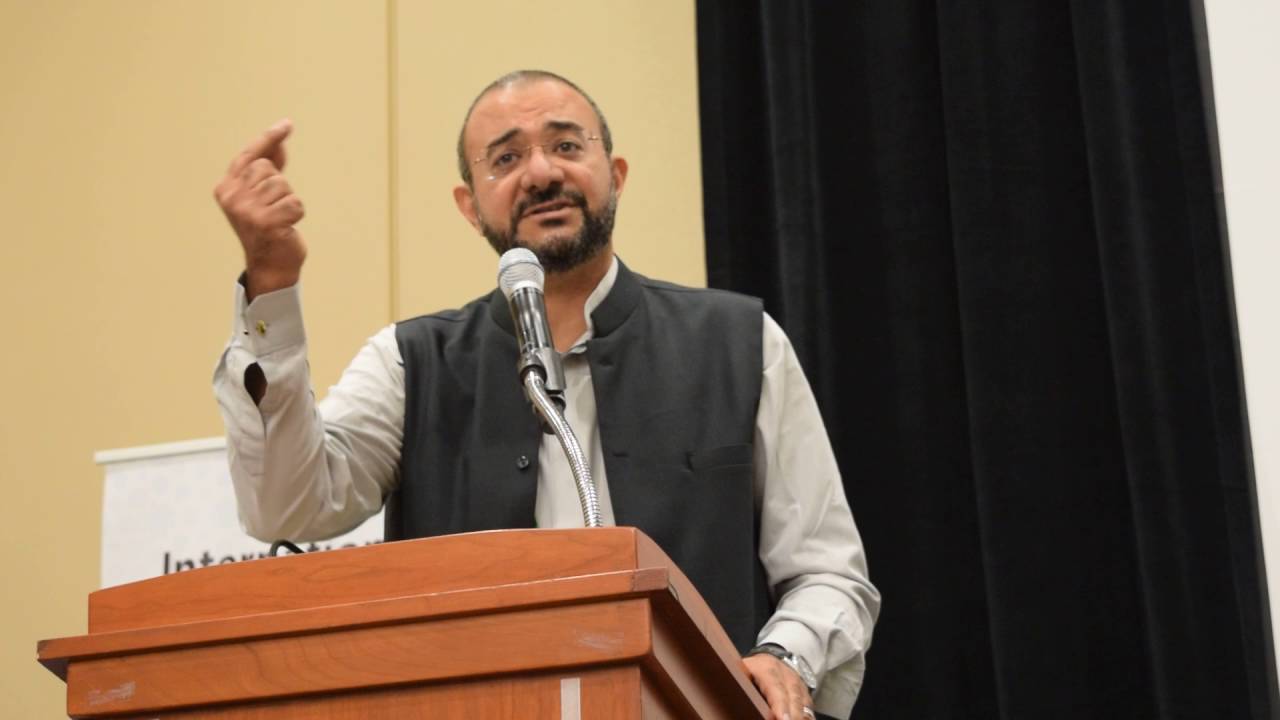
Speaking at a discussion at Kamal Hassan Library at International Islamic University Malaysia (IIUM) in late 2019, he told the audience about his meeting with Sayyid Abul A’la Mawdudi (1903-79) at Columbia University in New York City in 1974.
Kamal Hassan was at that time, pursuing a Ph.D. at Columbia in contemporary Islamic thought. He was also the president of the Columbia University chapter of MSA (Muslim Students’ Association). In that capacity, Kamal Hassan invited Mawdudi (who was in New York at that time) to deliver a speech in front of the university and the local community. They held the event at the auditorium of the main library of Columbia University and many people attended the event.
During the Q & A session after Mawdudi’s speech, Kamal Hassan, in the form of a question sought advice from the South Asian revivalist thinker on matters related to Malaysia. In reply, Mawdudi said that scholars of Malaysia were better informed about, and were in a better position to give solutions to local issues. Mawdudi believed that first-hand understanding of the circumstances, problems, and needs of a society was important to offer a remedy for its (social) ills.
Understanding the spatiotemporal variations
Referring to Mawdudi’s response, Kamal Hassan stressed that understanding the spatiotemporal variations is imperative to formulate effective policies and infer Islamic practical rules. True Islamic scholars over centuries have always considered local conditions before offering opinions and interpretations of relevant texts.
In this respect, to elaborate the argument further, Kamal Hassan shared with us a famous anecdote involving Imam Ash-Shafi`i on whose interpretation of Islamic teachings, the Shafi`i school of Islamic law is built.
The post Space-Time Correlation in Inferring Islamic Rulings appeared first on About Islam.
source https://aboutislam.net/shariah/contemporary-issues/space-time-correlation-in-inferring-islamic-rulings/


Comments
Post a Comment