Dealing with Prolonged Hardships
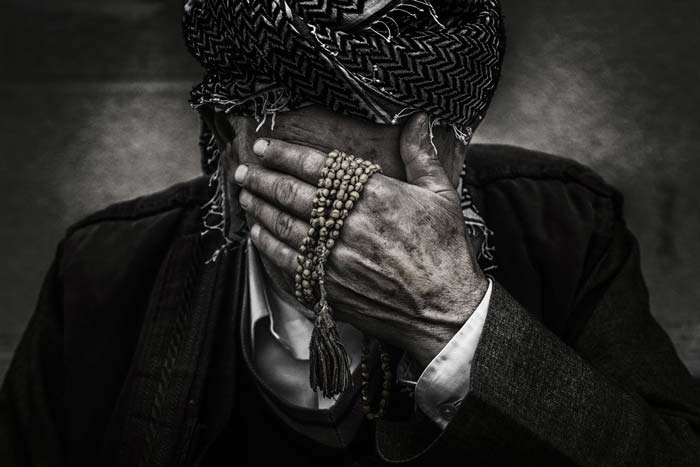
We all experience varying degrees of difficulty and challenges in life. But sometimes, prolonged hardships or trials like chronic or major illness, difficulty with family members, and financial struggles, begin to take a toll on our faith and relationship with Allah Almighty; testing our resilience and strength of faith.

Unique Struggles of Prolonged Hardship
Generally, routine hardships have a lesser effect on a person’s relationship with their Creator, but why?
The key difference is that an extended hardship becomes tiring – requiring patience that can be difficult to put into practice – that’s why it is so rewarding.
If someone is waiting long enough to pass through hardship, they may start to wonder whether Allah Almighty loves them or whether He is listening to their duas (supplications).
On the other hand, if hardship is short-term, a person may see the answer to their duas more quickly; eliminating room for doubt.
It goes without saying that 2020 has been a difficult year on a global level. Here in the US, COVID-19 continues to spread, devastating families and livelihoods; protests have erupted due to racial injustice and police brutality, and natural disasters continue to devastate eastern and western regions. On top of that, it is an election year – creating anxiety about the outcome.
Many are wondering how long these hardships will continue; and looking toward 2021, fearing little relief in sight.
Quranic Advice on Dealing with Hardships
Whether hardship is affecting a single-family or, impacting billions of people, how can exercising patience and faith help us cope?
As always, the answers we seek are in the Qu’ran. Allah Almighty says:
And We will surely test you with something of fear and hunger and a loss of wealth and lives and fruits, but give good tidings to the patient, who, when disaster strikes them, say, “Indeed we belong to Allah, and indeed to Him, we will return.” Those are the ones upon whom are blessings from their Lord and mercy. And it is those who are the [rightly] guided. (Surah Al-Baqarah 2:155-157.)
This ayah (verse) serves as a reminder of what Allah Almighty has already told us; that we will be tested throughout our lives with hardships – so we should not be surprised by them – after all, this world isn’t Jannah (paradise).
What Does it Mean to Be Patient?
The above ayah also provides a clear instruction on how to show patience (since this can often seem like a vague concept). Allah Almighty says that when the patient ones are struck by disaster, they say, “Indeed we belong to Allah, and indeed to Him, we will return.”
This means acknowledging our lives are under the control of Allah Almighty, and remembering that this life is temporary – that ultimately, we will be returned to Allah Almighty.
Further, the ayah reminds us that, those who exercise patience in times of hardship are blessed and guided by Allah Almighty.
Normally, people tend to think that if they are hit with hardships as severe as fear, hunger, and loss, that it means they are cursed rather than blessed. But Allah Almighty clarifies that these people are receiving blessings and mercy from their Lord and are rightly guided.

This shows that going through difficulty does not mean that a person has fallen out of Allah Almighty’s favor or that He loves them any less; on the contrary, they can show patience and display their strength of faith.
This does not mean that we should ask for hardships to befall us or celebrate when they do. We should still ask Allah Almighty to grant us ease. However, when a problem inevitably arises in life, we should seek help in patience and prayer, as stated in the Quran (2:153).
O you who have believed, seek help through patience and prayer. Indeed, Allah is with the patient.
Pointlessness of Comparing Hardships
Lastly, we should keep in mind that comparisons are pointless and only serve to harm us. In this world of social media, we have to be extra careful not to compare our lives with those of others.
It might seem like some people have perfect lives while we are struggling with hardships, but the truth is that everyone has problems and experiences pain.
The reason why it might not seem like this online is that people generally like to share the positives of their life with strangers and acquaintances, not the negatives; only those closest to them see the challenges they are going through – offline.
So don’t compare yourself with anyone else or pray to have what they have; you never know what someone else is secretly going through.
May Allah Almighty protect us all from experiencing major hardships and make us from the patient ones.
Ameen.
The post Dealing with Prolonged Hardships appeared first on About Islam.
source https://aboutislam.net/spirituality/dealing-with-prolonged-hardships/


Comments
Post a Comment