Gratefulness Impacts Happiness
A time of embracing family and being nostalgic.
Gratitude is very much a spiritual benefit that enhances our mood, allows us to take account of our blessings, as well as enables us to see hardships as lessons.

This type of perspective encourages positivity and a greater quality of life.
Simply put, gratittude impacts happiness. Our perspective is our reality.
A grateful perspective is one that helps us on our path of spiritual awakening and appreciation.
“And, indeed, We granted this wisdom unto Luqman ,Be grateful unto God-for he who is grateful [unto Him] is but grateful for the good of his own self; whereas he who chooses to be ungrateful [ought to know that], verily, God is self-sufficient, ever to be praised.” Quran 31:12
Gratefulness Improves our Moods
As an advocate for positive psychology, I see the benefit of gratefulness as part of a healing process as well as an everyday lifestyle.
It also employs an element of optimism and happiness. Instead of seeing the pantry as half-empty, choose to see it as half-full and say THANK YOU to your higher power.
Be grateful and optimistic instead of negative and pessimistic.
Say Alhamdulillah, which means all thanks and praise to God.
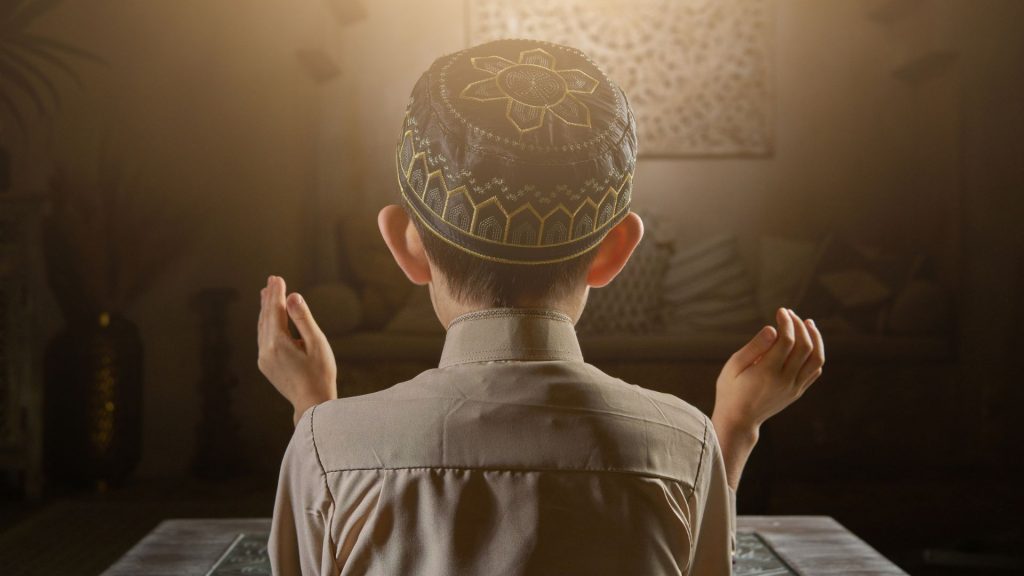
These are the beginning steps towards working for self-actualization and happiness.
Appreciate even the smallest things and remember gratefulness impacts happiness as well as our spirituality.
When we show gratitude, we place more value on what is occurring. The more we value something, the more of an investment we will make.
Gratefulness Linked to Spirituality
We can look at humans as having four elements, which are all linked.
When we strive to be more conscious of this and self-aware, we can better improve our mental state.
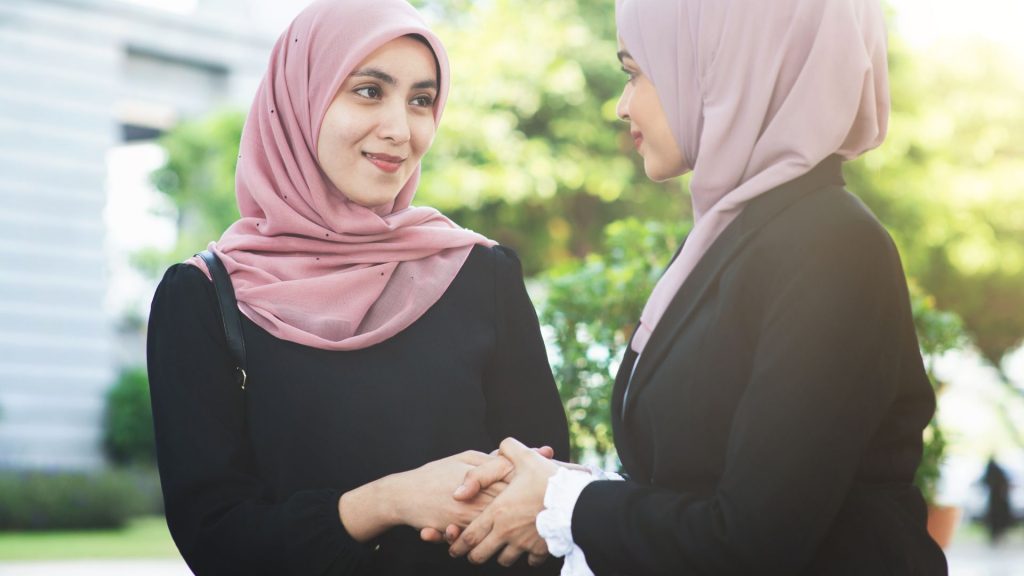
The 4 elements, along with examples, are as follows:
Physical – (Our Behaviors)
Adam is grateful that William helped him study for his exams.
Adam walks up to William, shakes his hand, and says “Thank you so much for assisting me“.
Adam says alhamdulillah for the good grade. Adam later gives William a nice pen as a token of appreciation.
Mental – (Thoughts/Beliefs)
Adam believes that William is a great friend and deserves to be shown gratitude for his actions.
Adam thinks that William is becoming more trustworthy as a friend. Adam believes that William is a blessing to him.
Emotional – (Feelings)
Adam feels happier, and so does William.
Spiritual – (Our Soul, Which Encompasses All of These)
Adam’s heart opens more to William. Adam makes duaa for William and feels a brotherhood.
Adam’s inner self has a little more gratitude and a feeling of inner light.
Using that above example, William would be impacted positively by the gratefulness shown by Adam.
We can see that gratefulness impacts happiness as well as encourages trust with his friend through their hearts/spirituality opening up more to one another as a deeper bond develops.
William will reciprocate the gratefulness as he appreciates the friendship.
A cycle of gratitude, trust, and a deeper, more spiritual bond can develop.
“And when your Lord made it known: If you are grateful, I would certainly give to you more, and if you are ungrateful, My chastisement is truly severe.” Quran 14:7
Gratefulness Final Thoughts
We know that gratitude impacts happiness and overall well-being.
Being grateful is so much more than just saying thank you to a person or, alhamdulillah.
Being grateful is a lifestyle, an overall attitude and a choice to take a positive and spiritual perspective on life.
If we believe that all things happen for a reason, then surely we must be grateful for all things good and bad because they have a purpose.
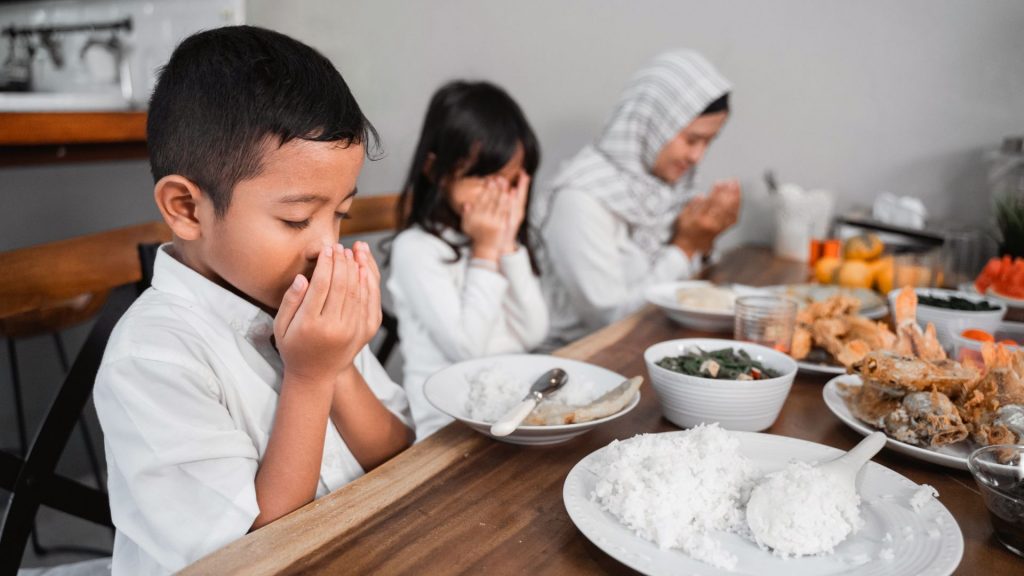
We may not be able to determine what that purpose is and it may be difficult to accept, but the ability to say Alhamdulillah or “thank you” even in times of hardship shows a strong inclination towards positivity and a strengthening of our spiritual self.
Gratefulness Exercise

Let us work towards improving our gratefulness. Today, consciously scan your day for things you are grateful for and say Alhamdulillah.
After one of your 5 daily prayers today, before you stand up, sit and reflect on the blessings you have in your life, and with a heartfelt intention, make dhikr.
Try to think of something for each time you say Alhamdulillah.
***
Published with kind permission from the author on an earlier date and highlighted now for its importance. Originally published on the author’s blog.
The post Gratefulness Impacts Happiness appeared first on About Islam.
source https://aboutislam.net/family-life/self-development/gratefulness-impacts-happiness-psychological-take/


Comments
Post a Comment