Dealing With Spiritual Poverty And Robotic Rituals

Look at your daily choices. Are you letting the dunya distract you? Are you watching inappropriate TV for hours while overeating and rushing your prayers to get back to Netflix?
Were you pushing yourself so hard on legislation that your heart was neglected? When was the last time you read the Quran?

Only you can truly answer this, and you need to if you want to improve.
In the spirit of honesty and vulnerability, I know one of my issues was focusing too much on legislation.
I went from loving heels, winged eyeliner, and red lipstick to wearing an abaya and khimar with no makeup in less than one year.
I got involved with some super-Salafi circles. I have respect for them, but the focus was on “don’t do this, don’t do that”. Rules were paramount. I could keep going, but I digress.
I abstained from so many things and pushed myself to the point where I felt boxed in. We need accountability and structure, but in balance with heart and aqeedah.
Honestly, it doesn’t matter if you have the longest beard or do the most voluntary acts of worship; if your heart and intention are not pure, it means nothing.
Choose your company wisely
It is important to keep people around you who are a good influence. No matter how strong you think you are, if you put yourself into fitnah on a constant basis, it will impact you.
Just as parents don’t want their children hanging out with the bad crowd at school, we should not want to surround ourselves with bad influences. The following hadith of the Prophet (PBUH) reminds us of this.
Man follows his friend’s religion, you should be careful who you take for friends”.[At-Tirmidhi]
Look to the source
Most importantly, we must turn to Allah. If our Qurans are dusty, then you know part of the problem already. Allah reminds us in the Quran,
So remember Me; I will remember you. And be grateful to Me and do not deny Me”[Quran 2:152]
My advice would be to read for quality, not quantity.
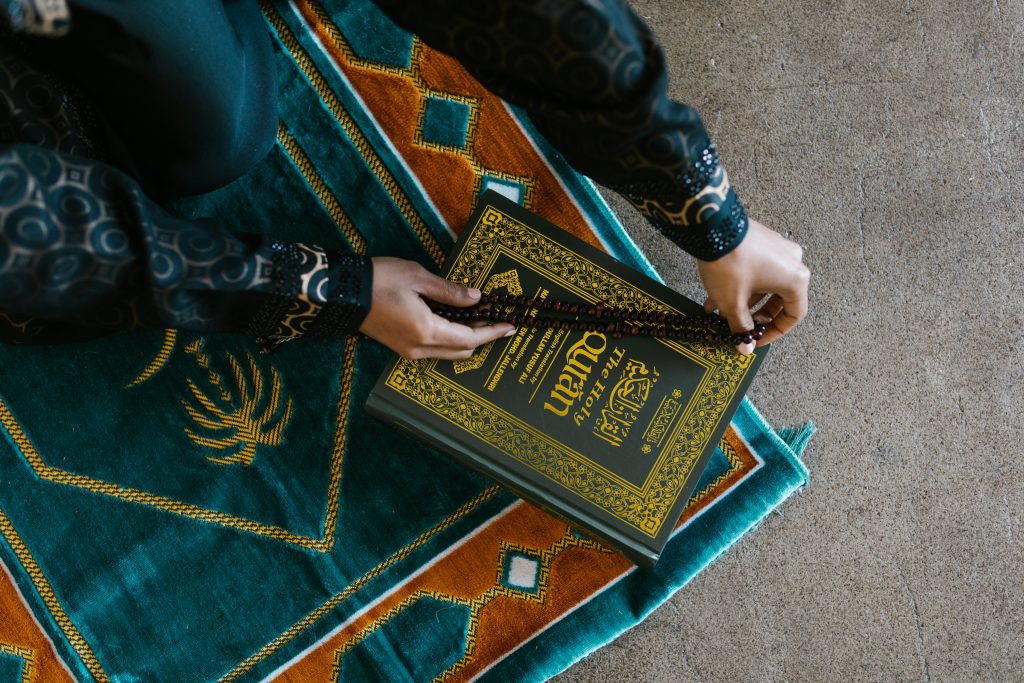
It is better for us to read one page that you ponder over than 20 pages you speed read.
We should make duaa on a frequent basis, but I am not talking about saying some lines you memorized 10 years ago that you don’t even contemplate on.
Sincere dua, which means actually thinking about what you are saying and meaning it. It means more than for someone to make sincere dua in English than someone who says sunnah duas in Arabic with zero heart, just so they can check the box that they did it.
Final thoughts
We are human; it is natural to have spiritual highs and lows. These lows can be an opportunity to renew your faith and grow deeper into your spiritual connection.
I know it is easier said than done. I am in the same boat as you, but we are all in this together. One Ummah.
Don’t wait for Ramadan to work on achieving spiritual wealth and turning your acts of worship into heartfelt endeavors. Work towards your best spiritual self to prep your soul for Ramadan.
May Allah fill our hearts with his light and guide our paths, Ameen.
***
This article was first published at Muslimmatters.org. It’s republished here with a kind permission from the author.
The post Dealing With Spiritual Poverty And Robotic Rituals appeared first on About Islam.
source https://aboutislam.net/family-life/dealing-with-spiritual-poverty-and-robotic-rituals-2/


Comments
Post a Comment