
4 consejos prácticos para hacer el bien a los padres

En el Islam hay un concepto que está muy presente y al que se le da mucha importancia: hacer el bien a los padres. Esto es algo que está presente en el Islam pero que se ha perdido en muchos otros colectivos. 

Por ejemplo dice el Corán:

Hemos encomendado al hombre que trate bien a sus padres.

Corán, 31:14

Y dijo el Profeta:

Las mejores de las acciones son la oración en su tiempo y hacer el bien a los padres.

Muslim

Esto no es nada nuevo, pero ¿cómo llevamos a cabo el hacer el bien a los padres?

Estos son 4 consejos de cómo podemos llevar a la práctica el tratar a nuestros padres con Ihsan, con excelencia.

1. Ser agradecidos

No de una forma abstracta, sino concreta. Decirles gracias. Gracias por todo su esfuerzo y dificultades a la hora de sacar a la familia adelante. 

Gracias por las cosas que sacrificasteis para poder criarnos. Antes, cuando era niño, no lo entendía, pero ahora así. Así que gracias.

Por ejemplo, unos padres que trabajan y dejan de lado otras prioridades para criarnos bien; o unos padres inmigrantes, que viajan a otros país con una lengua diferente y lejos de su familia y amigos. Por todo eso y mucho más, hemos de darles las gracias.  

No solo hemos de ser agradecido con nuestra sino que hemos de expresarlo verbalmente. 

2. Escuchar sus consejos

Escuchar sus consejos y tenerlos en cuenta es otra forma de hacer el bien a los padres. Les muestra que les respetamos y que valoramos su experiencia y sabiduría. Que entendemos que ellos han pasado por muchas situaciones en sus vidas y que no pueden ayudar en las nuestras.

Esto no quiere decir, que, por ejemplo tengamos que obedecerles si nos aconsejan algo que no es correcto o si nos nos permitieran casarnos con alguien por motivos racistas. Sino que cuando les pedimos consejos les mostramos que entendemos que ellos quieren lo mejor para nosotros y que tienen más experiencia y sabiduría que nosotros.

3. Pasar tiempo con ellos
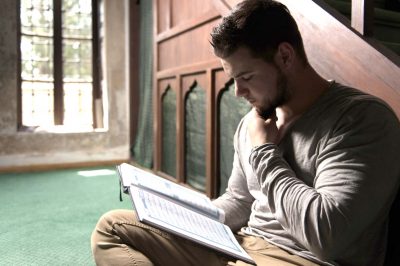
Si estás cerca de ellos, entonces aprovecha para pasar tiempo con ellos. Si no, entonces puede tener una llamada por videoconferencia a la semana. Esto es una nueva herramienta que antes no existía y permita una comunicación y relación a distancia que antes no era posible; úsala. 

Hemos de buscar hablar con ellos, mejorar nuestra relación y apoyarlos, todo esto se puede hacer usando los medio a nuestra disposición hoy día.

4. Intenta ser feliz

La felicidad de los hijos es transmitida a los padres. Ellos quieren que seamos felices, se alegran con nuestra alegrías y se apenan con nuestros problemas. 

Por esto, una forma de hacer el bien a nuestros padres, es intentar ser felices. Si tienes un problema, si hay algo que te entristece en tu vida, intenta cambiarlo. No solo te hará feliz a ti, sino que esta felicidad será contagiosa y también harás feliz a tus padres. 

The post 4 consejos prácticos para hacer el bien a los padres appeared first on About Islam.


source https://aboutislam.net/es/introduccion-al-islam/4-consejos-practicos-para-hacer-el-bien-a-los-padres/

Comments

Popular posts from this blog

List of Times and Places Where Dua is Accepted

A short reminder regarding the recommended times of dua . And I think what you need to know here is that the recommended times of dua or recommended things that can cause your dua to be accepted, can be divided into two sort of large groups: Am I Good Enough to Make Dua for Myself? Situations where your dua is accepted. Times where your dua is accepted So I’m going to very briefly mention them one after the other as much as possible. As for situations where your dua has been accepted: – The person who has been wronged or oppressed . – A person who finds themselves in severe difficulty after a calamity has struck. – The person who is traveling. – Someone who is fasting. – The one who is reciting the Quran or has just recited the Quran – Someone who is performing Hajj or Umrah or jihad. – The one who is making dua for someone in their absence . Because we know that when you make dua for someone in his absence an angel says: “ Ameen and to you”. – A person...

Ghuraba (The Strangers): Nasheed with English Subtitles

Islam began as something strange, and it shall return to being something strange, so give glad tidings the strangers. (Sahih Muslim 145) This famous nasheed has many versions; this one is from Muhammad al-Salman and has the subtitles in English embedded. [We are] strangers and we do not bow the foreheads to anyone besides Allah  […] Transliteration to help in the pronounciation:  Ghurabaa’ wa li ghairillaahi laa nahnil jibaa Aisha Stacey  wrote in an article for Aboutislam.net : “I think that many of you would agree that being Muslim in the 21st century makes you well acquainted with being strange. It might even be a metaphor for random, as in you have been randomly selected. […] many converts to Islam will tell you about feeling as if they were strangers, before finding Islam. They will speak of feeling that they belonged somewhere else that their lives were just slightly off center. They often speak about a vague sense of knowing they were not like everyone else...

Taqwa – Living the Main Purpose of Ramadan

Taqwa is a major purpose for the month of Ramadan. The people of taqwa are those who do the things that they are commanded and avoid the things which Allah has made prohibitive. And evidently, to reach a state of taqwa requires vigilance, it requires patience and sincerity. The verse is pertaining to fasting I found in a single set of verses in chapter 2 starting at verse 183: O you who have believed, decreed upon you is fasting as it was decreed upon those before you that you may become righteous. ( 2:183 ) A Collective Act of Worship Allah is telling us that fasting has been made obligatory and then Allah tells us that just as it was prescribed for those before us. We often get asked this question in Ramadan, “how’s the fast going for us?” And if we gave ourselves a moment to think about it, we see that Allah Most High has made the fast inside the month of Ramadan easy for us because we know that there is a collective spirit to fasting; we know that we’re not alone in this ...