6 Great Resolutions to Make for 2021
Directing your intentions into solid resolutions is a great way to propel yourself forward. Or up. We are always earnestly intent on improving ourselves at the end of Ramadan. And then again at the end of each year, we can’t help but pick up on the vibes of making new year’s resolutions.
That’s at least twice a year we have strong pulls towards refocusing our aim for greatness. This past year gave us plenty of opportunity to rethink our norms.
If I learned anything in 2020, it’s that I have been doing way too much. Therefore, nothing can be done especially well. This is a problem most of us face as the work-life-balance is impossible for most to achieve in modern society. After reviewing all the areas of my life I would like to improve, which is pretty much every area, I chose 6 things I think are best to focus on. For me, I want to reinforce my foundation, stripping things down, back to the basics.
Here are 6 resolutions that are great to work on in 2021:
1 – Dump Toxic People
In his book, Letting Go of Your Bananas, Dr. Daniel T. Drubin opens with an odd story about capturing monkeys. Apparently if you put a banana in a jar the monkey will reach for it, going deeper and deeper. They get their arm stuck in the process, trapped with a banana rotting in their hand. Drubin uses this as a metaphor to letting go of things in life that hold us back.

Letting go of certain people can be hard for Muslims. We are concerned about cutting ties, not giving fellow Muslims their rights and staying angry with our brothers in Islam. But would Allah want us to be abused? Dump rotten people, trade them for healthy ones. Create firm boundaries with your toxic family and don’t allow them to bring you down.
2 – Do Less yet More
Finally we are beginning to recognize the health hazards of multitasking. Doing too much stresses us out.
“If your focus is fragmented, you’ll likely find yourself getting anxious as new items come up when old ones are still incomplete.” Pedram Shojai, Focus: Bringing Time, Energy, and Money Into Flow
As Shojai suggests, I have been using a timer to be sure that I remain focused on one task at a time. Be it a work project, time with the kids, cleaning—set a timer and mindfully focus on the one important thing at hand. Eventually you will find that similarly to dumping toxic people, you can dump things in life that are draining you.
3 – Rethink Your Budget
2020 has been a financial nightmare for most of us, worse for many. Stuck at home there was a boom in online sales with people comfort shopping their frustration away.
Now is time to rethink how you are spending your money. Maybe you want to do some investing. This might even be the first time you make a budget. Having a realistic understanding of your finances and making plans to better manage them will reduce your stress in 2021.
4 – Take Care of Yourself
Mind, body and soul. 2020 pushed all three to the limits. In recent years, studies show that in the United States mental health has declined in all age groups. This was one of the most stressful years for all of us. And many of our existing healthy habits were disrupted by the lockdowns.
Fortunately, we also had the opportunity to learn a lot of coping mechanisms and try new, easier to access exercise techniques. Let 2020 remain the last of your worst years. Make resolutions to improve your health. Mind, body and soul may be overwhelming to tackle all at once. Prioritize and make incremental improvements to your overall health.
5 – Use Nature
Did you have the opportunity to miss the outdoors this year? Stuck at home, we were inundated with the fact that nature is good for us! It’s beautiful, being in it soothes our emotions, it’s the best place to exercise and its ‘natural’ products are almost always better for us than processed ones.
In 2021 choose ways to connect with nature. Enjoy it and watch the improvements in your health. If you then give it up for awhile, you will surely see how beneficial spending regular time in nature is.
6 – Be Thankful
A whole culture of cultivating an attitude of gratitude has grown in the last decade or so. Over a thousand years ago Prophet Muhammed (pbuh) taught us the prayer for thankfulness. So why is it so hard to be grateful?
Psychologists explain that negative events are easier to remember as they have a more profound effect in the brain than neutral or positive ones. It’s easy to simply forget to be thankful for all the good constantly around us.
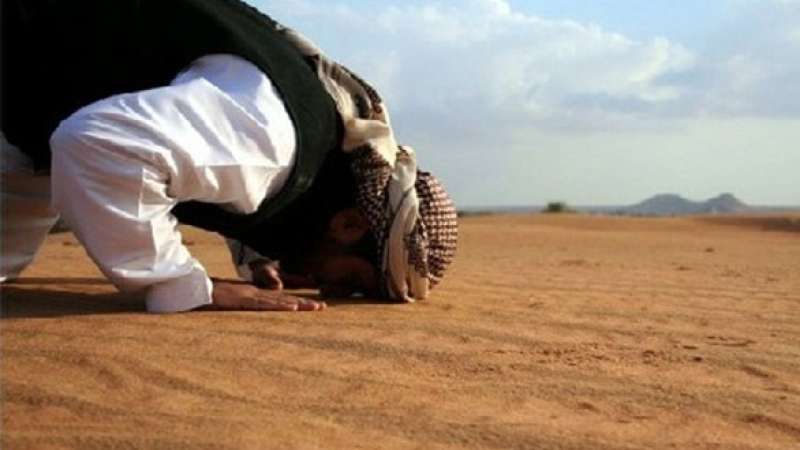
But subhanallah, gratitude is truly good for u by reducing stress and improving your relationships. It is suggested to focus on things you are grateful for either at the end or the beginning of the day to set the tone for the new day. And of course, thank Allah. All good is due to Him. Regularly thanking Him will strengthen your connection while building your healthy attitude of gratitude.
Being Realistic
The reason many people scoff at New Year’s Resolutions is that by only mid-January about 50% of people will have already given up. 8% of resolutioners succeed. You can be in that group. Continually revisit your intention behind your goals. And use all the tools you can – tracking, timing, planners, vision board, accountability buddies and so on – to reach those goals.
The post 6 Great Resolutions to Make for 2021 appeared first on About Islam.
source https://aboutislam.net/family-life/culture/6-great-resolutions-to-make-for-2021/


Comments
Post a Comment