A Very Powerful Dhikr to Face Life’s Challenges
If I were to ask you now: What are the six pillars of faith? would you know the answer?
To be productive in seeking knowledge we have to know the basics first.
Someone once gave a good tip on how to memorize the six pillars of faith: We believe in Allah (pillar one), Who created the angels (pillar two) and sent His books (pillar three) with His Messengers (pillar four) to warn about the Last Day (pillar five) and all of this is destiny (pillar six)!
Let’s talk about our belief in one of those pillars: belief that the life of this world will come to an end.
The question to you is: what does your belief in the Last Day mean to you in your daily life?
We’ll learn about the concept of ‘hasaba’ and about one of the most powerful dhikr to battle any challenge in life and I mean any!
Allah Al-Haseeb, The Reckoner, mentions this dhikr in one of the most powerful and important verses of the Quran:
Those to whom hypocrites said, “Indeed, the people have gathered against you, so fear them.” But it [merely] increased them in faith, and they said, “Sufficient for us is Allah and [He is] the best Disposer of affairs. (3:173)
What is Hasaba?

Hasaba in Arabic means reckoning, counting, and calculating. It also means to suffice and to be sufficient and it repeats 109 times in the Quran. What does ‘hasaba’ have to do with your belief in the Last Day? The Day of Judgment is also called: Yawm-ul Hisbaab, the Day of Account and the dhikr we learn today is straight related to this dreadful day and to any hardship you face in life!
The Hisab
Imagine you are standing there. Sweating. Scared. Trembling. Naked. Barefooted. Uncircumcised. Then the Lord of the Worlds will start speaking to you, directly with no translator, no intermediary.
Can you imagine what will go through your mind? Wouldn’t you wish you left that bad habit? You helped your oppressed brothers and sisters? You read the Quran?
The Prophet said:
..The person will look to his right, and will not see anything but his deeds. Then the person will look in front of himself and will see nothing but the hellfire facing him. So protect yourself from Hellfire even by giving a charity of half a date. (Al-Bukhari)
It’s all about that moment now; will you get your book of deeds in your right hand or in your left, will you go to Jannah or to the blazing Fire?
Now the questioning starts… the moment of the hisaab, your final account. Yawm-ul Hisaab is the day when you will see records of all your deeds and you will be held accountable for them. Imagine your mouth being sealed and all your limbs will start revealing what they were used for by you..Allah says:
On the day when their tongues, their hands, and their feet will bear witness against them as to their actions. (Quran 24:24)
The Dhikr
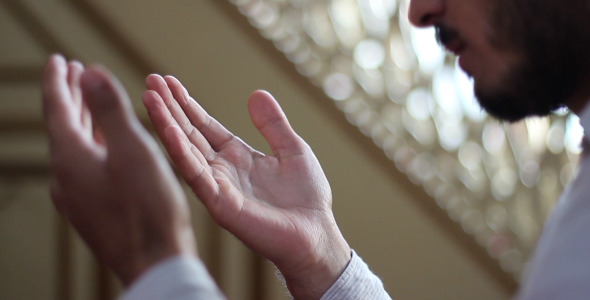
One of the most powerful dhikr taught to you in the Quran and the Sunnah which you can and should use for all challenges you might ever face is:
Hasbuna Allahu wa ni’ma-l wakeel means: Allah is Sufficient for us, and He is the Best Disposer of affairs. And here are its facts:
Say it when you Fear Yawm-ul Hisaab
Remember Yawm-ul Hisaab? The Prophet said:
How can I feel at ease when the Angel of the Trumpet, (Israfil) has put his lips to the Trumpet and is waiting for the order to blow it?” He (the Prophet) perceived as if this had shocked his Companions, so he told them to seek comfort through reciting: ‘Hasbuna Allahu wa ni’ma-l wakeel.’
It was the Dua of the Prophet Ibrahim
Can you imagine fire getting cool? These were the words of our father Ibrahim. Ibn ‘Abbas said:
When (Prophet) Ibrahim was thrown into the fire, he said: “Allah (Alone) is sufficient for us, and He is the Best Disposer of affairs.
It was the Instruction of Allah in the Quran!
In a seemingly overpowering situation this is what the Prophet and the Companions exclaimed and so should we!
But it [merely] increased them in faith, and they said: Sufficient for us is Allah and [He is] the best Disposer of affairs.

Have you seen our oppressed brothers and sisters on the news, raising their finger and saying ‘hasbuna Allahu wa ni’ma-l wakeel!’ while they are in the most terrifying situations?
Saying this means:
Hasbuna Allah: from hasaba, meaning ‘sufficient for us’.
It means that you know that Allah is sufficient for you. He is the Bestower and Withholder and that only He can remove any harm.
Wa ni’mal wakeel: meaning ‘and He is the Best Disposer of affairs’.
This means that you put your trust in Him and leave your matters to Him to take care of. It means you accept His decree and submit to Him. Saying this dhikr, remind yourself of the hisaab, your belief in the Day of Judgment and being accountable for all your deeds.
This dhikr is the healing touch in your life and a true productivity tip from the Quran and the Sunnah to face life’s hardships!
Source: Understand Quran.com
(From Discovering Islam archive)
The post A Very Powerful Dhikr to Face Life’s Challenges appeared first on About Islam.
source https://aboutislam.net/spirituality/a-very-powerful-dhikr-to-face-lifes-challenges/


Comments
Post a Comment