
L’Importance de la Prière

Alors que la prière est le deuxième pilier de l’islam, la fréquence de chaque pilier varie et lui est la plus fréquente car elle est répétée quotidiennement. Une idée fausse est que les prières sont simplement une obligation. Ce que les gens ne voient pas, c’est que les prières sont une raison pour nous aider à aimer la vie.

Quand Prions-Nous?
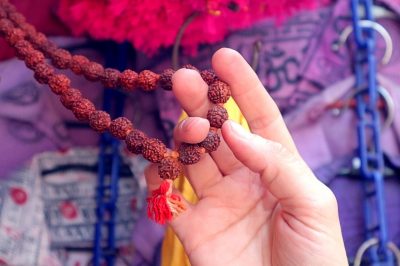
Il y a 5 fois par jour où les musulmans doivent arrêter ce qu’ils font, se tourner vers la Kaaba et prier.

La première que nous faisons à l’aube, la deuxième, directement à midi.
La troisième prière est à mi-chemin entre midi et le coucher du soleil, tandis que la quatrième est lorsque le soleil se couche.
La cinquième et dernière est lorsque l’obscurité complète est finalement tombée sur la terre.

Les prières sont là pour nous montrer comment profiter du temps que nous avons. La plus grande richesse que Dieu nous a donnée est le temps.

Les 5 prières nous montrent également notre cheminement dans la vie humaine.

La première prière de l’aube représente notre naissance.
La deuxième de midi représente notre première forme de maturité.
Après cette maturité, le reste des prières représente le vieillissement
Avec la dernière du soir représentant la mort.
Nos prières représentent un cercle de vie.

Importance de la Prière
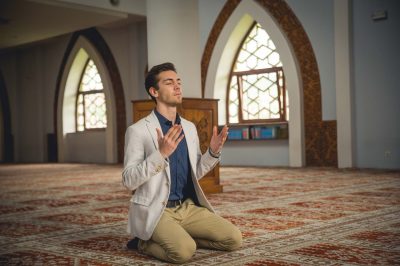
La prière est un rendez-vous avec Dieu. Cela nous donne 5 fois par jour, nous pouvons parler à notre créateur, 5 fois par jour où nous pouvons échapper à la douleur et au stress.

Lorsque nous commençons à prier et ne pouvons pas prêter attention à Dieu, il y a un problème. C’est comme si vous rencontriez un élu, comme Emmanuel Macron. Vous passez toute la matinée à préparer votre discours, à vous habiller, à vous parfumer et à prendre le petit déjeuner. Dès que vous arrivez et que vous l’avez face à face, vous détournez la tête de lui. C’est ce que nous faisons à Dieu lorsque nous ne sommes pas concentrés sur notre prière et ne pouvons pas prêter attention à Dieu, il y a un problème.

La prière est également un moyen pour une vie meilleure sur cette terre, mais à la place, nous la considérons comme un fardeau. Au lieu de voir comment il est censé apporter de la lumière dans nos vies, nous le voyons comme un test et une obligation. Nous devons nous efforcer de connaître le but derrière la prière.

La prière est le jardin de l’adoration. Dans ce jardin, nous pouvons rendre grâce, nous soumettre humblement, mentionner le nom de Dieu et réciter le Coran. Cela nous donne l’occasion de grandir et d’élargir notre adoration.

Le Prophète (que la paix soit sur lui) a dit:

La prière, c’est quand nous sommes les plus proches de Dieu, en position de prosternation, nous sommes les plus proches de Dieu.

Vous Aimerez Également Lire:

The post L’Importance de la Prière appeared first on About Islam.


source https://aboutislam.net/fr/limportance-de-la-priere/

Comments

Popular posts from this blog

List of Times and Places Where Dua is Accepted

A short reminder regarding the recommended times of dua . And I think what you need to know here is that the recommended times of dua or recommended things that can cause your dua to be accepted, can be divided into two sort of large groups: Am I Good Enough to Make Dua for Myself? Situations where your dua is accepted. Times where your dua is accepted So I’m going to very briefly mention them one after the other as much as possible. As for situations where your dua has been accepted: – The person who has been wronged or oppressed . – A person who finds themselves in severe difficulty after a calamity has struck. – The person who is traveling. – Someone who is fasting. – The one who is reciting the Quran or has just recited the Quran – Someone who is performing Hajj or Umrah or jihad. – The one who is making dua for someone in their absence . Because we know that when you make dua for someone in his absence an angel says: “ Ameen and to you”. – A person...

Ghuraba (The Strangers): Nasheed with English Subtitles

Islam began as something strange, and it shall return to being something strange, so give glad tidings the strangers. (Sahih Muslim 145) This famous nasheed has many versions; this one is from Muhammad al-Salman and has the subtitles in English embedded. [We are] strangers and we do not bow the foreheads to anyone besides Allah  […] Transliteration to help in the pronounciation:  Ghurabaa’ wa li ghairillaahi laa nahnil jibaa Aisha Stacey  wrote in an article for Aboutislam.net : “I think that many of you would agree that being Muslim in the 21st century makes you well acquainted with being strange. It might even be a metaphor for random, as in you have been randomly selected. […] many converts to Islam will tell you about feeling as if they were strangers, before finding Islam. They will speak of feeling that they belonged somewhere else that their lives were just slightly off center. They often speak about a vague sense of knowing they were not like everyone else...

Taqwa – Living the Main Purpose of Ramadan

Taqwa is a major purpose for the month of Ramadan. The people of taqwa are those who do the things that they are commanded and avoid the things which Allah has made prohibitive. And evidently, to reach a state of taqwa requires vigilance, it requires patience and sincerity. The verse is pertaining to fasting I found in a single set of verses in chapter 2 starting at verse 183: O you who have believed, decreed upon you is fasting as it was decreed upon those before you that you may become righteous. ( 2:183 ) A Collective Act of Worship Allah is telling us that fasting has been made obligatory and then Allah tells us that just as it was prescribed for those before us. We often get asked this question in Ramadan, “how’s the fast going for us?” And if we gave ourselves a moment to think about it, we see that Allah Most High has made the fast inside the month of Ramadan easy for us because we know that there is a collective spirit to fasting; we know that we’re not alone in this ...