Allah Loves You Just For Trying
Satan invites us to commit a sin in the first place, but then causes the distance between us and Allah. Then Satan invites us to feel too ashamed to turn back to Allah with tawbah (repentance) and to call upon Him with dua so that we can get back close to Him.
This is a very powerful connection that Allah makes in the Quran 2:222:
Allah loves those who repent and Allah loves those who are engaged in purifying themselves.
Now, some of the scholars said that this purification is physical purification; it’s referring to wudu and to the way that we clean ourselves up for prayer…
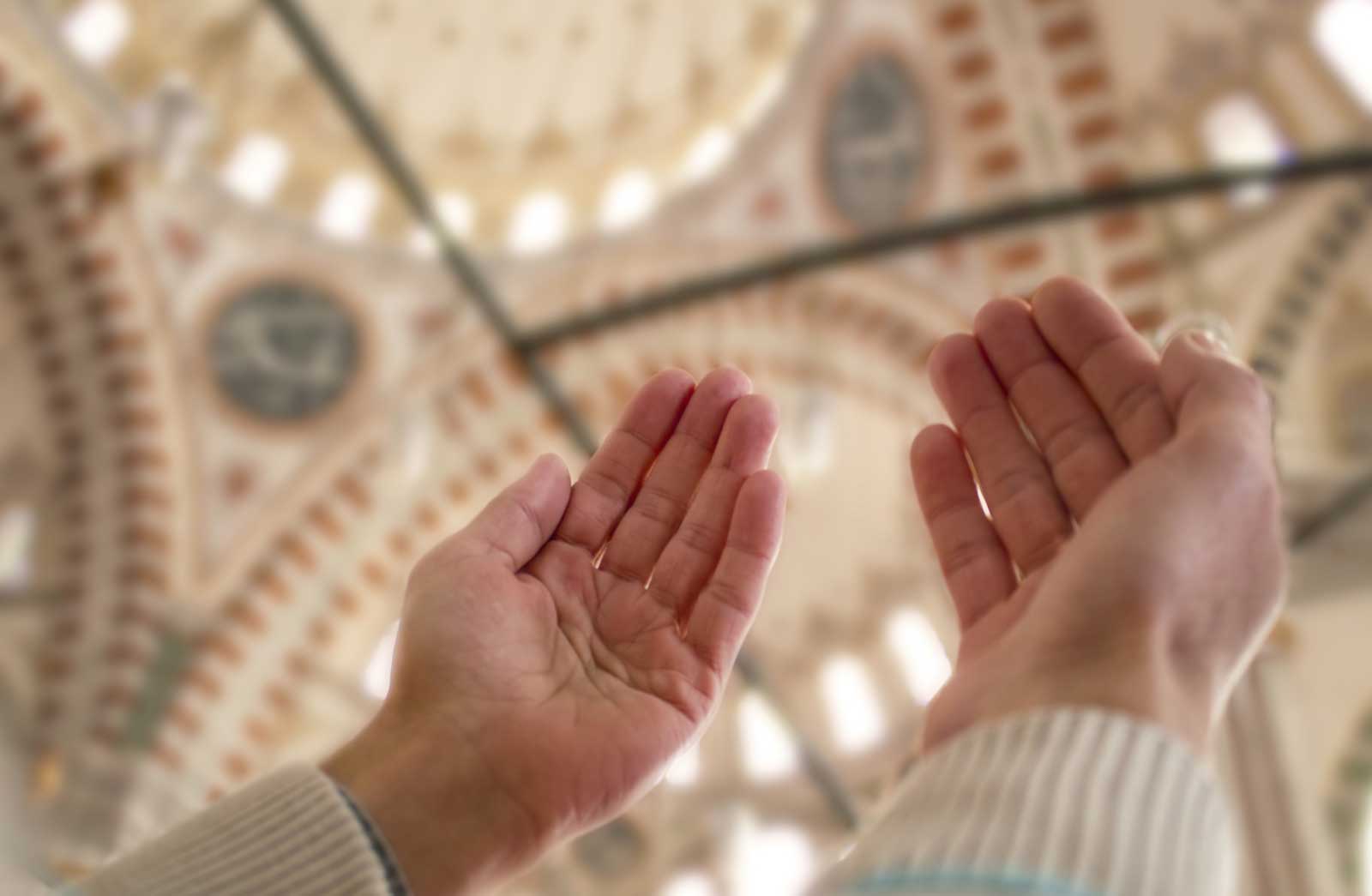
There are other scholars that said that this one actually has a spiritual implication:
Al-Mutatahireen: Those who are engaged in purifying themselves. So, just as Allah loves those who are engaged in repentance, not necessarily those who repented in the past tense and they no longer are committing sin… Because we’re always committing sin, always repenting, and always trying to get back close to Him… But those who are seeking to purify themselves, those who are engaged in a state of purification.
The power of that is that Allah does not expect you to reach some peak purification before you can be worthy of supplicating Him; but Allah loves you just for trying. Allah loves you just for the effort.
And if you think about how beautiful and profound that is, then it actually helps you to repent and helps you to make dua. So there is a very beautiful explanation for this verse from the spiritual perspective.
Repentance and Purification
And it comes from the way of Al-Hassan Al-Basri as well as Mujahid, the great explainer of the Quran. They said that 1- Allah loves those who repent i.e. those who do not insist upon sin; then those who do not return to those same sins.
The first ones are ‘those that don’t insist upon committing those particular sins so they’re insisting upon returning to Allah; even if they do commit those sins at times, they insist upon returning to Allah.
2- And then the second one, they said, Al-mutatahireen, they don’t return back to those exact same sins over and over and over again. Because that would show a disregard of Allah, that would show that you weren’t taking your repentance seriously; and that would show that you haven’t learned the lessons.
Allah Loves You For Your Effort

Now, there is something important to understand here: Allah loves you for trying; Allah loves you for being engaged in the state of purification; and Allah loves you for repenting…
But where is it that we actually fall short here? Some of us will repent sincerely for a sin and then insist that we will not return to the sin, yet still return to it. That does not disqualify you from the love of Allah nor does it open up all the previous times that you committed that sin, or nullify the repentance from those previous sins.
The type of insistence and returning to that could cause you to fall out of the love of Allah, out of this journey of attaining the love of Allah is when you insist upon those sins and disregard the sight of Allah and disregard the pursuit of Allah in returning to those sins.
So, that’s the difference between falling short again, getting weak again after you sincerely repent and not being sincere in your repentance in the first place.
Hence, not being sincere in your pursuit of purification in the first place as well. So, we ask Allah to allow us to always be engaged in the effort of purification to allow us to reach better states; and to always allow us to be in His state of love even as we fall short at times just for being in the state of repentance and for being in the state of the effort of purification.
Watch the video here
(From Discovering Islam archive)
The post Allah Loves You Just For Trying appeared first on About Islam.
source https://aboutislam.net/spirituality/allah-loves-just-trying/


Comments
Post a Comment