Converts and Their Muslim Communities
Isolation is scary, and it’s not easy to face troubles and challenges when being alone. Sometimes converting or reverting to Islam is one of the easiest steps, belying a difficult journey ahead.
But the converts who stay on their own and avoid the community are the most likely to lose their way.
We read in the Quran about “as-Siraat al-Mustaqeem” (the Straight Path) and we ask Allah to guide us towards it:
Guide us to the straight path (Quran 1: 6)

Let’s think about the way this path is described for a moment. Though there are other words for “path” in the Arabic language, the word “Siraat”, refers to a path which is straight, long, dangerous, wide, and unique. If a path is wide, that means many people can take it at once, and unique in this context means that there is no other path available to the destination.
In other words, it is the path to salvation, and there’s not an alternative route. But because it’s a wide path, we don’t need to go alone. In fact, when we pray this dua every day in our prayers, we ask God to guide us to the Straight Path.
We don’t ask God individually, by saying “Guide me,” but we make dua collectively—we declare that we worship God, and we seek His help, and then we ask Him to guide us, at least seventeen times a day in prayers.
Imagine being lost in the woods, and you come across a path like this—straight, long, wide, etc. And imagine that the path is crowded with people, some even carrying flashlights. It’s easy to join in and follow along. But if you hang back, or walk on your own, you might get lost going down a detour.
Similarly, in Islam we have a group walking together, and scholars to guide the way. But when a convert leaves the group, it becomes more difficult to stay on the Straight Path.
For Reverts

Islam is not a religion to be practiced in isolation—it demands community. Remember that when the Prophet Muhammad moved to Madinah he spent the initial months establishing brotherhood and a masjid (mosque).
The Muslim community can be a means of support for a convert or revert isolated from family members, a means of education and instruction in practicing Islam, and a means of constant companionship.
But as our individual identities are often tied to the communities that raised us, entering a new community as an adult can be a daunting experience, notwithstanding the community’s ability to welcome new members. And it’s important for a mosque to offer programs for local new Muslims as it is for the converts and reverts to involve themselves as much as possible.
A healthy community should aim to provide its new Muslims with ample social as well as educational opportunities. Informal events offer people a chance to connect with each other and cultivate relationships, while classes and seminars offer knowledge guidance in new terrain.
And just as it’s important for the community to provide the opportunities for connections, it’s as important for the new Muslims to get involved. The Internet can’t substitute for real social interaction, for brothers and sisters who can demonstrate how Muslims really live, day-to-day.
At the Mosque
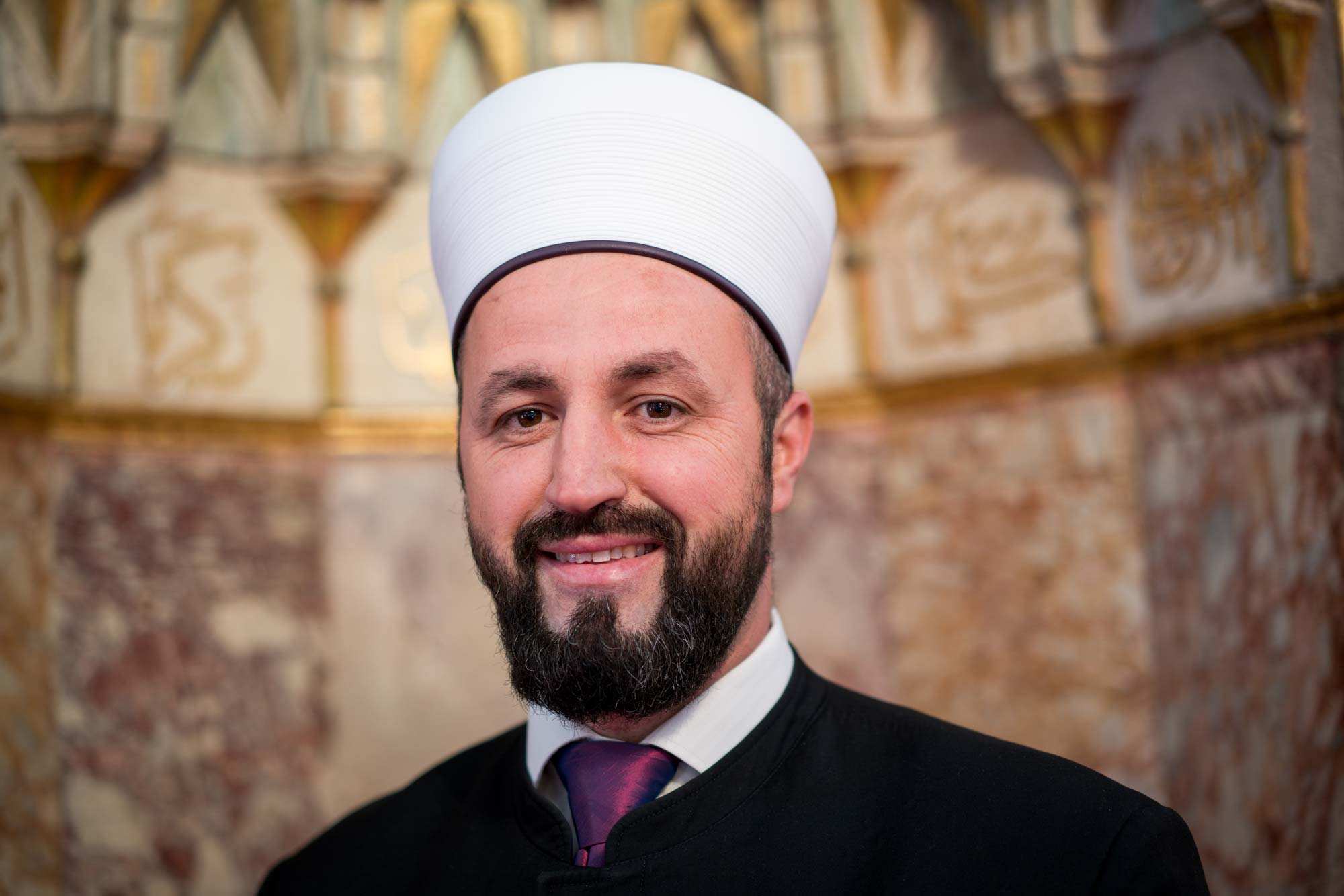
Our Imams and teachers know (or should know) how to explain things without overloading the listener. As important, they can offer advice tailored to an individual. Many websites may contain unreliable information about what concerns Islam.
So while the Internet can be a great resource, it’s still critical for new Muslims to involve themselves in their communities. They are consequently left behind.
Sometimes, the first experience converts have with a community is a visit to a mosque. The critical first impression might be negative if the convert isn’t able to connect with anyone.
Sometimes new Muslims have too many expectations of their community, but there are some steps the community can take to make things easier for them. For instance some problems could be reduced or eliminated if the community is able to well-publicize its events.
An easy-to-see event board and an active website can be important ways for a convert to learn about events. And though it does require effort from some volunteers, properly publicizing events through websites and posters at a mosque are crucial to let new Muslims learn about activities.
Since they are not usually regular in praying at the mosque, announcements after finishing prayers might not reach them. In particular, because women are in general infrequent at mosques.
Also, a simple point of contact might be all that’s needed to break the barrier keeping a new Muslim from participating in events. Volunteers should welcome converts by directing them to beneficial programs and other Muslims in the area who can befriend them.
Some ideas for a masjid (mosque) to reach out to converts:

- Community Potlucks
- Book Clubs
- Play Dates for kids
- Iftaars (breaking the fast) in Ramadan
- Weekly lectures geared towards new Muslims
- Classes on Essentials of Islam and Beginner Arabic
- Q & A Sessions with an Imam
- Volunteers for outreach to new Muslims
But What can a Revert do?
First, take Islam seriously and cherish it, and secondly start looking for ways to meet other Muslims (especially converts who know what you’re going through) and to learn more about Islam on an ongoing basis.
It might require making time in your schedule, or driving across town. I offered a class one time that several sisters had trouble attending because they didn’t have cars. But some other sisters offered to provide rides and the end result was that they kept coming and they formed a close circle as well, supporting and encouraging each other.
Look for activities at the local mosque and try to contact active volunteers for their advice about local events and activities. Look on websites for local organizations, mosques… to find a contact.
Make use of the available resources, and make a commitment.
Islam is a journey that doesn’t need to be made alone.
So join the community on the Straight Path…
And Welcome to Islam
(From Discovering Islam’s archive)
The post Converts and Their Muslim Communities appeared first on About Islam.
source https://aboutislam.net/reading-islam/living-islam/converts-and-their-muslim-communities/


Comments
Post a Comment