Allah is Al-Hafidh: The Preserver and Protector of Everything
We are living through times of uncertainty. The spread of the Coronavirus has tightened the rope in a society already subjected to a lot of tension. In many ways, it might feel like the pressure on the rope is too much and is about to break. Many people’s lives have been turned upside down, and many have lost their lives. In these times, remembering that Allah is Al-Hafidh might be a source of solace and strength.
Change requires adjustment but adjusting in times of uncertainty is not easy. We do not now know how to adjust or to what. These can give rise to feelings of anxiety and fear. Remembering that is Allah the one that preserves and protects everything can help us have the strength to take the necessary steps. We trust that “He is the best of planners” (Quran, 8:30) while at the same time, as the Prophet, peace be upon him, told us we should “tie our camel” (Tirmidhi).
This knowledge can be a source of strength in difficult times. It can fortify our hearts, clear our minds and guide our actions.
Allah clearly states that he is the Protector of all things in existence:
Indeed my Lord is, over all things, Guardian (Hafidh).
Quran, 11:57
As an example of His preservation and protection we can look at the Quran because he says:
It is We Who have sent down the Reminder and We Who will preserve it.
Quran, 15:9
How Allah Preserves and Protects the Quran

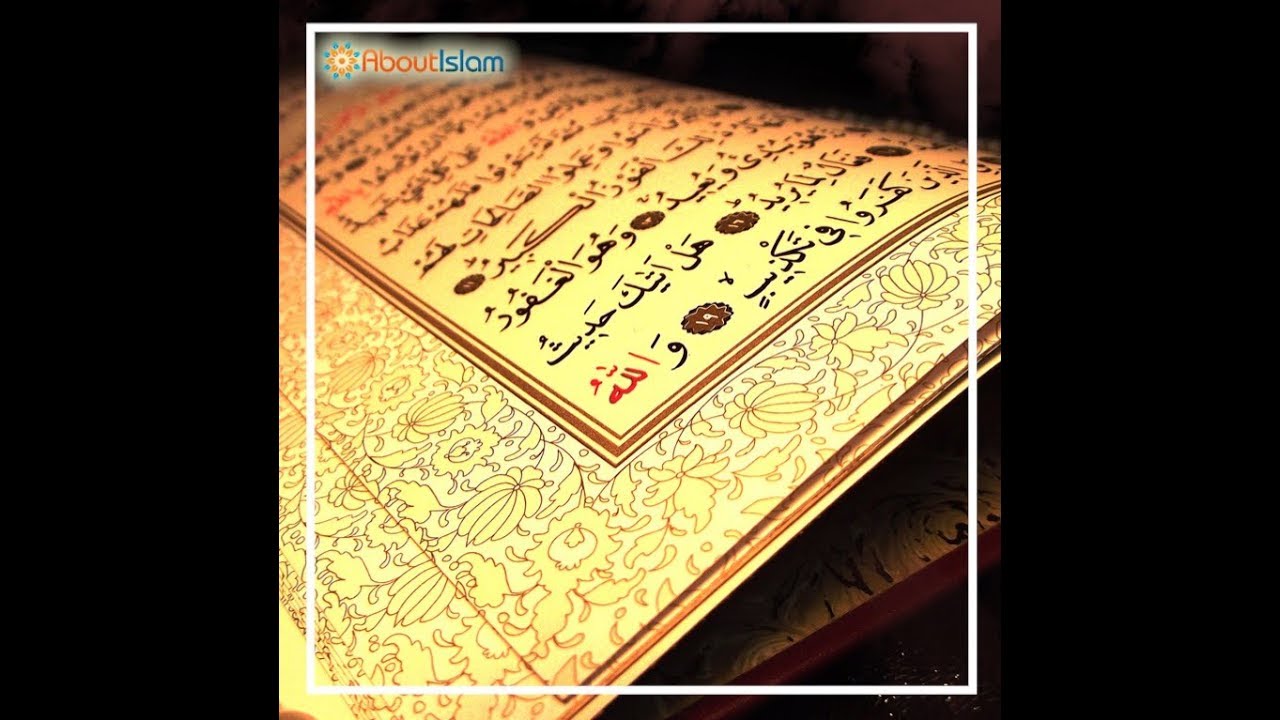
The written copies of the Quran are called mushaf, and if they were all lost, the Quran would remain safe. In the same way, it could not be altered. This is because of the people that Allah has chosen to memorise His Noble Book. They are called “Hafidh” because the word hafidh, in Arabic, means the one who preserves, protects and guards something, in this case, the Noble Quran.
If all the mushaf were lost there will always be someone that knows the Quran by heart. And no one can print an altered copy of the Quran without some Hufadh -the plural of Hafidh- noticing it and denouncing it.
This is how Allah is constantly fulfilling His promise of preserving and protecting the Quran in this world.
He preserves and protects the Quran by the people that, out of love for Him and the Noble Book, commit it to heart.
In the same way, we trust that He will protect us and that He is the guardian over us. He told the Prophet, peace be upon him, to say:
Indeed, my protector is Allah, who has sent down the Book; and He is an ally to the righteous.
Quran, 7:196
A Story from China
In my early youth, I attended a Quranic school for several years. Once, my teacher told me the following story:
“In a remote village in China, after the Moist Revolution by which all religions were banned, the government ordered a group of officials to go to this village and burn all the copies of the Quran.
When the people of the village, who were Muslims, heard of this, they gathered all the children and taught each one of them one Surah so that they would memorise it. When the officials arrived, they had collected all the mushaf and were ready to hand them off. The officials were happy that this had gone so easily, as they expected much more resistance. They thought that these people would gladly give up their religion and left soon after.
What they didn’t know is that they were just giving up the physical copies of the Book, but the Quran and the Deen were firmly preserved, protected and guarded in their hearts.”
Al-Hafidh: The Preserver and Protector of Everything

We have seen how Allah preserves, protects and guards the Quran against disappearing and from changes or alterations. In this way, the Quran remains a source of guidance and life to us all.
The purpose of the Quran is to guide humanity towards the worshipping of Allah and teaching us how to conduct our lives so that we can reach our highest potential. If we follow it we hope that He might be pleased with us and we might enter Paradise.
The purpose of our lives is to worship Allah (Quran, 51:56). As long as we are in the path of worshipping Him, we can hope for his protection in every situation. He will preserve and protect our lives and our belief so that we can fulfill our purpose, as He protects and preserves the Quran so that the Quran can fulfill its purpose too. As the Quran says:
And whoever fears Allah – He will make for him a way out.
Quran, 65:2

Asking Allah to Protect Us
Sometimes the situations in which we find ourselves are difficult like it is for many of us during this time. We do not know Allah’s plan, but we know that He is the best of planners.
If we strive to fulfill our purpose -to worship Him- we can trust that, as He protects the Quran to fulfill its purpose, He will protect our life and belief so that we can fulfill our purpose until the day we meet Him. As the Prophet said:
Wondrous is the affair of the believer for there is good for him in every matter and this is not the case with anyone except the believer. If he is happy, then he thanks Allah and thus there is good for him, and if he is harmed, then he shows patience and thus there is good for him.
Muslim
The key is to do our best to protect us from harm and to trust that when we call Allah by one of His beautiful names, he will respond. As he says in the Quran:
I answer the call of the caller when he calls on Me. They should therefore respond to Me and believe in Me so that hopefully they will be rightly guided.
Quran, 2:186
(From Discovering Islam archive)
The post Allah is Al-Hafidh: The Preserver and Protector of Everything appeared first on About Islam.
source https://aboutislam.net/reading-islam/finding-peace/trusting-allah/allah-is-al-hafidh-the-preserver-and-protector-of-everything/


Comments
Post a Comment