Wearing Hijab in Summer – Try These 5 Tips
The hijab is a central part of the identity many Muslim women hold close to their hearts. Ordained by Allah in the Quran, covering your body with clothing that is loose and modest along with covering your head is what is referred to as hijab.
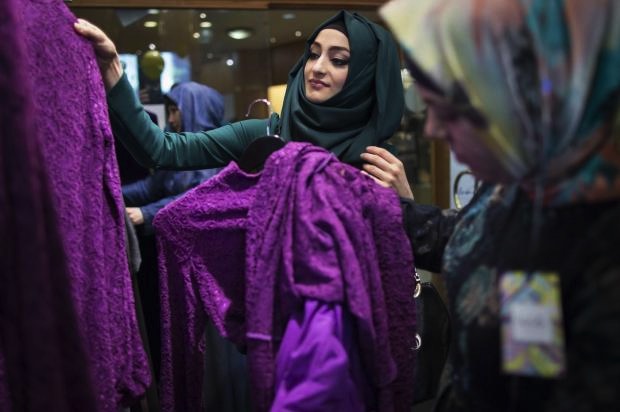
The beauty of hijab is it protects against the eyes of those who should not be looking and puts attention on our intellect rather than beauty.
Beauty is something that belongs to the woman and not to the rest of the world; Allah has given us the power of knowing only those who have a right to see are able to see.
In a world where beauty and the body have become a focal point, having such teachings strengthens and empowers the mind of those who reject the constant changing views of society.
The concept of modesty in Islam has gained attention in recent years, both positive and negative. While this in many ways has led Muslim women to be more conscious of the religious teachings on hijab, it also has left many in difficult situations.
When a woman takes the choice to take the step in covering up, many trials can arise as a direct result of it. Be it internally with oneself or from family, friends or colleagues, the adornment of modest clothing and hijab can become a focal point of discussion and thought.
Many times we find sisters eager to wear the hijab but are frightened of the consequences that can arise. Something that is fundamental to our practice as Muslim women has become a focal point in media and governmental policies, bringing about new problems and issues to face.

So, what do we do in times like this? Do we leave our Islamic teachings and continue with those that are accepted in society?
What we need to do is turn to Allah and to His Book for our ultimate guidance. We should view the issues we face today as something old that has been recycled with a new face; the crux behind the difficulties has always been the same. A trial, difficulty, issue are signposts in life to redirect and refocus our vision towards our relationship with Allah.
The summer months often prove to be an added test to those who adorn hijab. Not only does the weather make a person more inclined to wear less; it also brings new questions from those intrigued by women who cover in the heat. How can sisters find strength during this time? Here are some tips for you to think about.
1- Dua
O Changer of the hearts, make my heart firm upon Your religion. (Hasan, Tirmidhi 3522)
Through Allah is how we can ensure we are strong in all situations. Turn to Him and ask for the ability to stay firm in these months, which may prove to be harder than others.
2- Remember Why you are Wearing it
Remind yourself constantly of the reason behind your choice to wear hijab. Think of the verses from the Quran that highlight the importance of modesty. Remember that your reward lies with Allah.
3- Adaptation

There are simple ways to adapt what you are wearing to make it easier to wear hijab and remain covered in this weather.
– Lighter Fabric
Be conscious of the fabric your clothes are made from. Go for thin, lighter fabrics such as cotton. This will make your clothes more bearable.
– Colors
Darker colors tend to attract and absorb heat however these are also colors many sisters feel comfortable wearing. Try to opt for lighter shades such as grey, purple, blue etc.
4- Dealing with Comments
Like mentioned above, this time of the year can attract even more comments than usual. Deal with these in a calm, collected manner – remember your reasons behind hijab and see these discussions as a means of giving dawah.
To those closest to you, explain your reasoning for wanting to wear hijab. Keep them involved in your process and change, even asking their opinion on certain clothing. While they may tell you it does not look nice or is not necessary, keeping them involved in your life will make them more open to accepting the change you make.
5- Look after your Health
During the hot weather, it is important to look after your health. Especially because you will be covered up, it is essential to drink plenty of water and stay hydrated. Maintaining a healthy diet will keep you feeling physically stronger, resulting in a stronger mindset to persevere with hijab and the difficulties associated with it.
(From Discovering Islam’s archive)
The post Wearing Hijab in Summer – Try These 5 Tips appeared first on About Islam.
source https://aboutislam.net/reading-islam/living-islam/wearing-hijab-in-summer-try-these-5-tips/


Comments
Post a Comment