Cómo aprovechar los primeros 10 días de Dhul Hijjah
Dhul Hijjah es el mes de la peregrinación, el Hajj, como su nombre indica en árabe. El Profeta, que la paz sea con él, recomendó incrementar los actos de adoración en los primeros 10 días de Dhul Hijjah.
Qué acciones podemos hacer en los primeros 10 días de Dhul Hijjah
Una de las acciones que se recomienda en estos primeros días del mes del Hajj es el ayuno. Se recomienda ayunar los diez días primeros de este mes.
Para mucha gente esto puede ser difícil debido a los que hacerse de la vida moderna. En este caso, debemos procurar ayunar el día de Arafat.
Se nos has transmitido en un Hadiz que el ayuno de Arafat expía las faltas del año anterior y las del año que le sigue:
El ayuno de Arafat expía las faltas de dos años, el pasado y el que le sigue.
Bujari y Muslim
¿Cómo puede el ayuno de un día expiar las faltas de un año?

Siempre se entiende, en el contexto de la Sunnah, que a lo que se refiere es a las faltas menores. Todos cometemos errores y Dios siempre nos da la forma, a través de muchas acciones diferentes, como ayunar los primeros 10 días de Dhul Hijjah o el día de Arafat, de borrar estas faltas.
El Dhikr
Otra de las acciones que se recomienda incrementar en esto primeros 10 días de Dhul Hijjah es el Dhikr, el recuerdo de Dios.
Podémoslos hacer esto repitiendo muchos de los adhkar, o frases que el Profeta, que la paz sea con él, solía decir.
Pero no se trata de ritualizar, sino que lo importante es que estas frases nos ayuden a incrementar nuestra conciencia de Dios, nuestra responsabilidad y nuestros deberes morales.
El mejor Dhikr es la lectura del Corán
Por supuesto, el mejor Dhikr que podemos hacer es la lectura del Corán y la reflexión sobre sus significados.
Podemos recitarlo, ver charlas que explican su significado, leer los tafsir, cualquier acción que nos acerque a una mayor comprensión del Corán y por tanto de Dios.
Dar Sadaqah
Podemos dar Sadaqah (caridad) a las personas necesitadas, pero no hemos de olvidar que el Profeta, que la paz sea con él, incluía en la Sadaqah muchas otras acciones como sonreír cuando te encuentras con alguien, retirar un obstáculo del camino o en general cualquier buena acción.
Es decir, ser un persona cívica, buena, positiva, que es un beneficio para la sociedad, que saluda a sus vecinos, que sonríe… todo esto es parte de la Sadaqah.
Y estos son diez días en los que hemos de incrementar nuestra Sadaqah y esto incluye todas las acciones de bien.
Haz cambios en tu vida en estos 10 días de Dhul Hijjah
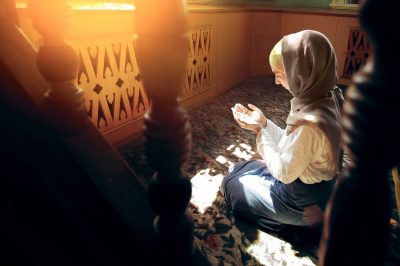
Hay cosas, como por ejemplo relaciones familiares, que podemos tener abandonadas, que siempre nos rondan, es un buen momento para cambiar esto.
También muchas veces queremos cambiar, establecer una rutina, hazlo ya. Ahora es un buen momento para comenzar.
Estos son diez días, una de esas épocas que el Islam coloca a lo largo del año ,para que hagamos un reajuste. Para que cambiemos y mejoremos. Como unas vacaciones de lo trivial y un reseteo de nuestras prioridades.
The post Cómo aprovechar los primeros 10 días de Dhul Hijjah appeared first on About Islam.
source https://aboutislam.net/es/como-aprovechar-los-primeros-10-dias-de-dhul-hijjah/


Comments
Post a Comment