Sisters, Feel Empowered in Hijab!
February 1st marks World Hijab Day. Every year World Hijab Day Organization asks women from all different faiths and backgrounds to wear hijab for the day in solidarity with Muslim women.
Empowered in Hijab
The motto for World Hijab Day 2020 is “Unity in Diversity” and their theme is #EmpoweredInHijab. The overall mission of WHD is to “create a more peaceful world where global citizens respect each other.” They particularly focus on “fighting bigotry, discrimination and prejudice against Muslim women.”
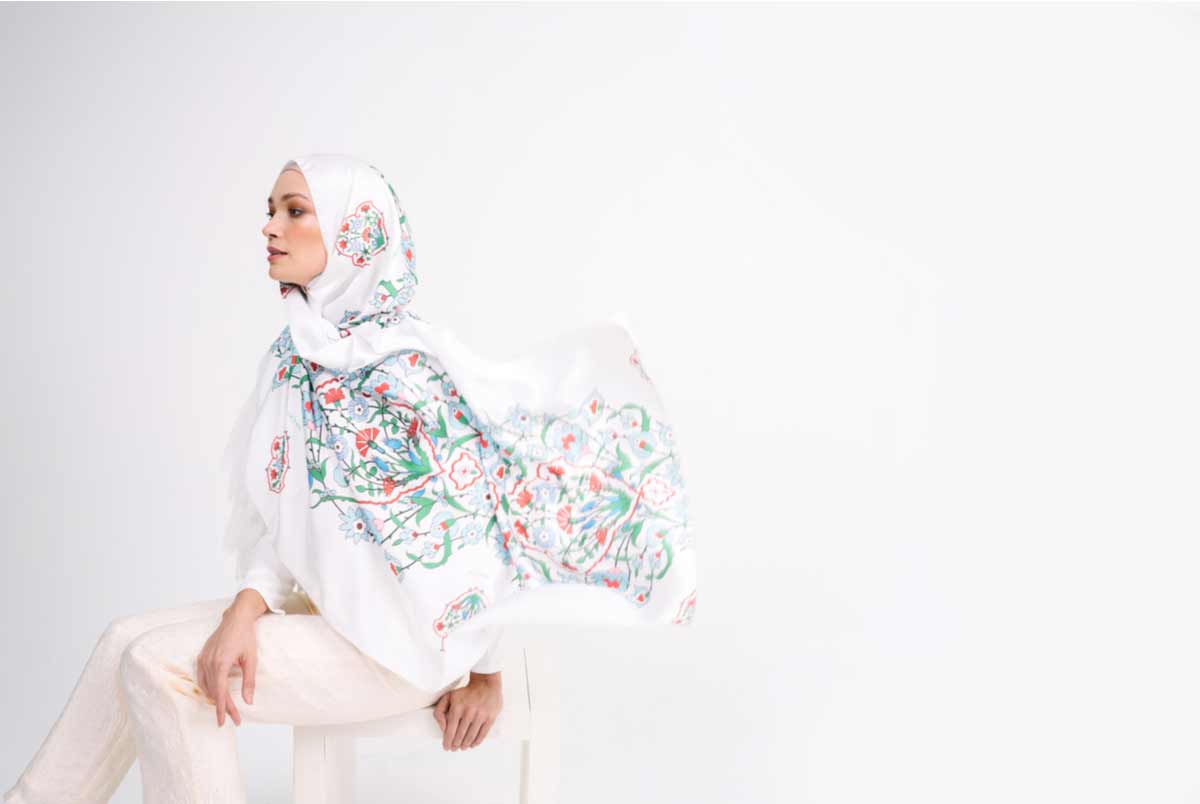
But why is this so important? In today’s world, there are many misconceptions about the hijab. Many believe Muslim women are forced to wear it, others believe women shouldn’t wear it at the first place. Some countries have even gone far by banning hijab. And amidst this, hijabi Muslim women are always at the forefront of Islamophobic attacks.
Many may not understand why Muslim women choose to wear hijab especially in this ever-hostile environment of discrimination and Islamophobia. However, Muslim women view it as a command from Allah and it proves that they choose modesty and submission to Almighty God. Many Muslim women wear their hijab with pride and many feel like it is a part of their identity.
Why Do We Wear the Hijab?
“For me, when I wear hijab, I feel comfortable and concealed. My hijab is a part of me and my personality. The hijab is not just a cover for the head and body but it is about how we should behave with people who we live with, especially here in the West. It is about modesty and good manners and decent behaviour. We should be good examples so people can understand the meaning of Islam.” Enas Mohamed, Arabic and Quran teacher.
“I started wearing hijab when I was 10 after I got my first period. It is part of me and I have done everything in it. I don’t see anything as an obstacle just because I am wearing hijab.” Esraa Fadel, Dentist student.
The hijab is also about modesty. Many of us hijabis understand that we have to respect our hair and body and treat them like they are a gift from Allah. We like the idea that only certain men can see us without the hijab and that we are not being judged because of what our bodies look like.
“My body and my hair are beautiful they are a gift from Allah, so I have to love them, respect them and honor them by wearing hijab.” Hala Figo, Call Center Manager.
What’s more, many of us who wear hijab, notice the kind of treatment we get when we are out in public. It is not always bad insults and physical attacks alhamdulillah. Many people see we are covering ourselves and they actually treat us in a more respectful manner.
“The hijab can tell people a lot about you without you having to say anything. I was at a blood clinic once when a male nurse saw me. He called over a female nurse to treat me instead. When she came over, she asked if I would prefer to have the curtain closed, although the other curtains were open. This is the message that my hijab sent to them.” Eman El-Gammal, pharmacist.
We Are Everywhere
The hijab doesn’t stop us from doing anything we wish to do. In fact, nowadays, we see politicians, professors, doctors, teachers, scientists, lawyers, activists, TV personalities, athletes, journalists and many more wearing hijabs.
Muslim women are normalizing the hijab in every walk of life. This is our message to the world. We are here, we wear hijab, we can do anything we like to contirubute positively to our society and we are not going anywhere.
Women have the choice to dress the way they like and wear whatever they wish. So, if a woman chooses to cover her hair and dress modestly, her choice must be respected.
That same woman could be the next world leader. She could be the next great scientist or the creative artist. The sooner the world understands that a piece of clothing is not going to stop us from achieving our hopes and dreams, the more unified we will be.
The post Sisters, Feel Empowered in Hijab! appeared first on About Islam.
source https://aboutislam.net/family-life/culture/sisters-feel-empowered-in-hijab/


Comments
Post a Comment