Hijrah Still Offers Valuable Lessons
The new hijri year is about to begin. Islamic history is full of days and great occasions that are good to celebrate – taking from them that which guides us to the right path in difficult times.
The noble Hijrah is one of the grandest events in the history of Islam. Prophet Muhammad (peace and blessings be upon him) gives us through the two migrations; his fellow Muslims’ first Hijrah to Ethiopia and his own to Yathrib (later called Madinah) – many lessons and examples. He teaches us that change requires hard work and sacrifice.
The Decision to Migrate

The people of Makkah harmed the followers of the Prophet, and thus the Prophet’s followers could find no one to champion them and feared persecution. So, the Prophet reviewed all the countries of the neighboring world for a place to command them to migrate to. If they went to any region in the Arabian Peninsula, they would be returned to Quraish.
The Prophet overlooked Persia because the Persians were idolaters. The Romans, though People of the Book, were very tough and tyrannical.
The Prophet thought Ethiopia would be the best. He ordered the Companions to migrate, ”Go to Ethiopia”, and told them, “There is a king there who is just.”
This hijrah was termed the migration to the abode of safety, while the migration to Madinah was termed the migration to the abode of belief.
Planning is the Key to Success
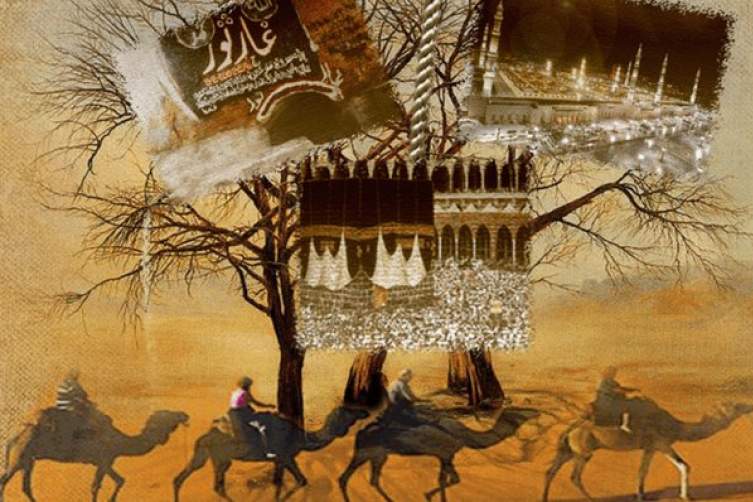
We, thus, learn from the Prophet that when we plan for something, we should make our plans considering all aspects of the situation. He planned for the method of travel, the provisions and who would lead the way. When everything was meticulously planned, he put his faith in Allah.
In the grand welcome the Prophet received upon arriving in Madinah we find lessons and examples. For the people of Madinah welcomed him and the immigrants with great hospitality, knowing that they would have to share with the immigrants their money and homes and become their family – for the immigrants had left their families behind in Makkah seeking rewards only from Allah.
 Read Also: What Was the Reasoning Behind Choosing Madinah for Hijrah?
In this way, the Prophet achieved brotherhood between the Ansar (helpers of the Prophet) and the Muhajirun (migrants); and they became an example of the depth of belief.
The lessons and examples in the life of the Prophet and his Hijrah to Madinah should not simply be seen as a historical story to enjoy reading or hearing, but one that we should consider a model for our own actions, so that we may truly be one of his followers.
O! Lord, do not deny us the joy of looking upon Your noble face for our failings or the intercession of the Prophet or Heaven.
Source: Taken with slight modifications from: www.aljazeerah.info.
The post Hijrah Still Offers Valuable Lessons appeared first on About Islam.
source https://aboutislam.net/shariah/special-coverage-shariah/new-hijri-year-special-coverage-shariah/hijrah-still-offers-valuable-lessons/


Comments
Post a Comment