The Spirituality of Prophet Muhammad (PBUH)
This short series of three articles will examine the spirituality of Prophet Muhammad (peace be upon him).
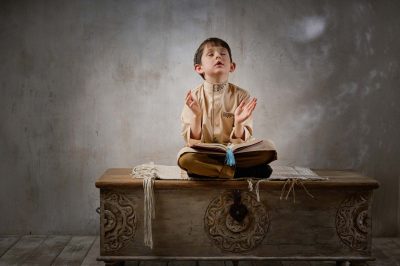
The first article will concentrate predominantly on Prophet Muhammad’s life before prophethood: his childhood and his young adulthood.
During this time, his spirituality was honed and polished by God beginning in his very early life.
Spirituality in Islam
It is useful to have a clear understanding of what the word ‘spirituality’ means. Dictionary.com defines spirituality as the state or quality of being dedicated to God, religion, or spiritual things or values, especially when contrasted with material or temporal things or values.
In Islam we add to this definition by linking spirituality to the purpose of life. A Muslim’s purpose in life is to worship God, thus spirituality is the way in which our actions and thoughts connect us to God.
A Difficult Childhood
Prophet Muhammad’s early life was, at least to our modern way of viewing things, very unsettled. Even if he had been surrounded by love and tenderness, his reality may very well have felt difficult and overwhelming.
Prophet Muhammad was born an orphan. Islam defines an orphan as one without a living father and Prophet Muhammad’s father died before he was born, perhaps only a matter of days before he was born.
As was the custom at the time, Prophet Muhammad’s mother sent her infant son to be raised in the countryside. Not long after his reunification with his mother, she died leaving Muhammad (peace be upon him) in the care of his grandfather, who unfortunately, died around the time Muhammad was eight years old.
Such a lot of upheaval for a small boy; however his next home was more permanent. He was given in to the care of his uncle Abu Talib who became a staunch supporter of Muhammad both before and after prophethood.

Some scholars suggest that Muhammad became the most loved amongst Abu Talib’s eight children. As a young child Prophet Muhammad experienced, what we nowadays call abandonment, the caregivers that he must have loved were ripped away from him, time after time, due to adult circumstances he had no way of understanding. These issues contributed to the development of his kind and generous personality.
God Prepared Him
However, this is not always the case, often children who suffer from even one traumatic life event have trouble adjusting to adulthood. They often feel isolated, with low self-worth and develop unhealthy coping issues.
For Prophet Muhammad (peace be upon him) this was not the case. God did not abandon him; however, He did use his life circumstances to mold him into a man prepared for Prophethood, one with a finely tuned sense of morality and fairness.
Have We not opened your breast for you, And removed your burden, that weighed down your back, And have We not raised your fame high?… (Quran 94: 1-4)
Scholars suggest that Prophet Muhammad’s social conscience developed as a result of his unusual circumstances. The way in which his caregivers treated him, particularly his grandfather and then his uncle Abu Talib became the basis of his teachings about caring for those less fortunate.
God was directing his life course, and Prophet Muhammad (peace be upon him) chose to reflect on his surroundings and circumstances in a way that connected him to God.
… Did He not find you an orphan and give you refuge? And found you unaware, (of the Quran and Prophethood) and guided you? And He found you poor and made you rich (self-sufficient and content). Therefore, do not oppress the orphan, or repulse the beggar… (Quran 93:5-10)
A Door to Spirituality

All the Prophets of God spent some part of their lives working as shepherds. (Al Bukhari)
This is not a coincidence. The long hours alone, without human company, meant long hours of contemplation and reflection. Pondering the meaning of your life, and the world around you, allows for a deeper connection to God. It is a door to spirituality.
When Prophet Muhammad (peace be upon him) was an adolescent, he travelled to Syria with his uncle Abu Talib. This journey is well known.
The monk Bahirah, who came out to meet their caravan having recognized the young boy as a prophet of God, said that this child would be a mercy to all of humankind. He also vehemently suggested that Muhammad not travel on to Syria. Advice that Abu Talib weighed and followed.
Was the boy Muhammad confused? We have no way of knowing. However, we can surmise that his emotions at the time ran the gambit from bewilderment to anger. Prophet Muhammad, like every human being ever born, became the product of his life circumstances and his reaction to them.
Did Muhammad cry out to God in his confusion? We can try to imagine, just as Muhammad must have tried to understand why this was happening to him.
Throughout this tumultuous time, a time that we understand to be fraught with hormonal swings and great surges of brain development, God was ever watchful. Even though we all develop in roughly the same way, there are differences often based on life circumstances and events.
God’s guidance kept Prophet Muhammad (peace be upon him) away from some of the repulsive and sinful practices that overcome young men before they have matured enough to make good decisions.
A Message of Spirituality

Prophet Muhammad’s solitude and introspection led him to make accurate and well thought out choices. He shunned superstitious practices, but welcomed constructive and useful connections. He stayed away from drinking wine, eating meat slaughtered on stone altars or attending wild idolatrous festivals.
Without understanding why or how, Muhammad (peace be upon him) was living Islam before the revelation of the Quran; he inherently practiced the pure monotheism of Prophet Abraham (peace be upon him).
Reflection and meditation on the meanings of life and the world around him led Prophet Muhammad to a well-respected and relatively easy life. He gained strength and fortitude from his natural inclination to weigh the ethics of situations and circumstances and he went on to become a trader.
This profession taught him many skills that he would need to have in the future. It also led him to marriage.
Prophet Muhammad (peace be upon him) married a successful businesswoman. He spent his young adulthood helping to running her business and building a family. He was valued and admired, with loyal friends and compatriots.
However, as he approached his fortieth year he began to yearn for something else, something deeper that added meaning to his life. He began to spend time alone in the caves surrounding Makkah, meditating and pondering.
Without knowing it, Muhammad (peace be upon him) was approaching prophethood. His spirituality, his connection to God was about to reach fruition.
In Prophet Muhammad’s fortieth year, in the cave known as Hira, life as he knew it was about to change, in ways that he had not contemplated.
Prophet Muhammad was searching, as we all do at some time or other, for meaning and internal peace. He did indeed find what he was searching for, but he was shocked to discover that he was now responsible for delivering a message of spirituality to all of humankind.
The post The Spirituality of Prophet Muhammad (PBUH) appeared first on About Islam.
source https://aboutislam.net/spirituality/the-spirituality-of-prophet-muhammad-pbuh/


Comments
Post a Comment