The Faster Way God Answers Dua – Ask Him in Distress
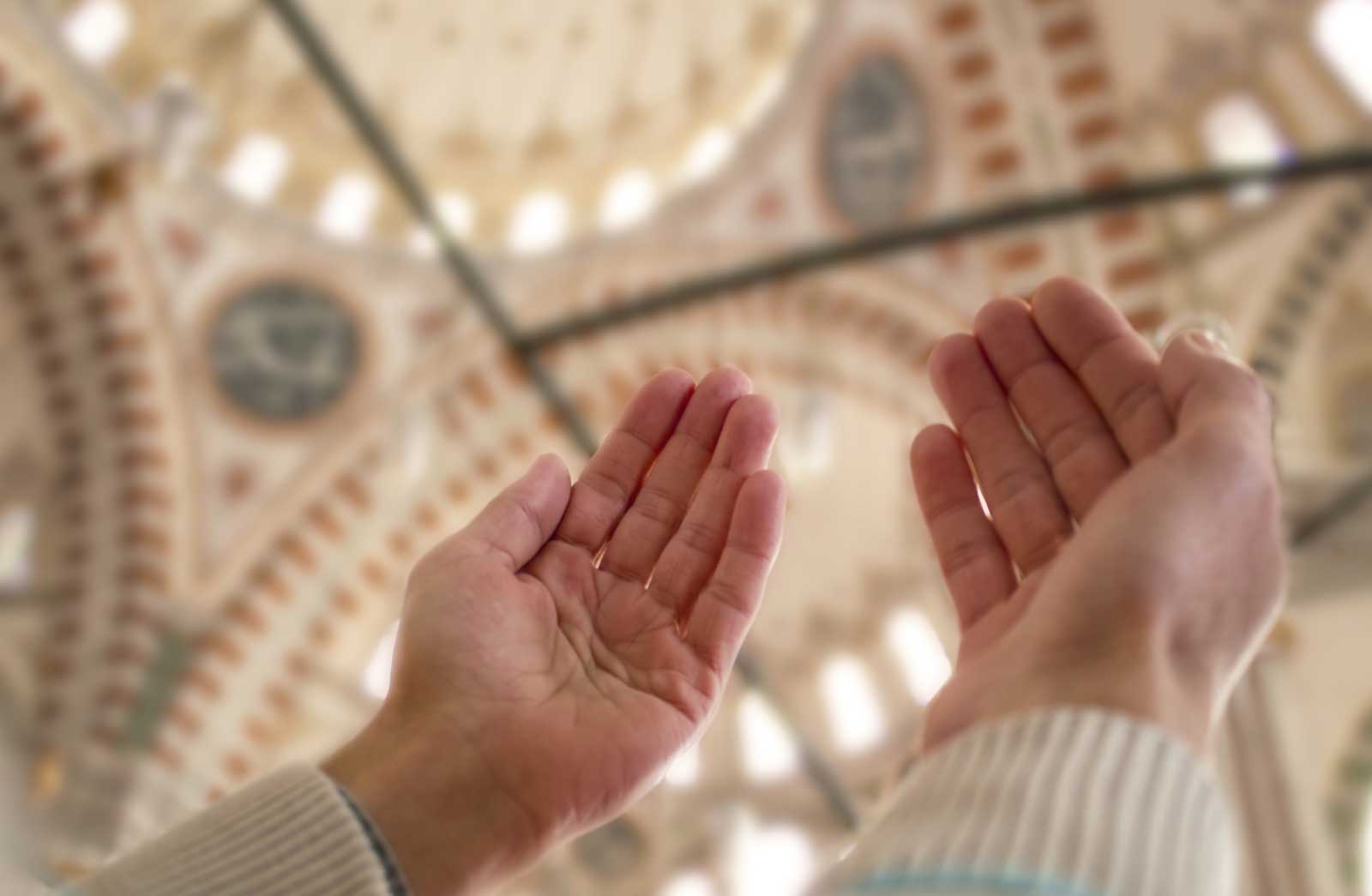
“The best way to ask Him is through expressing your distress, and the fastest way to acquire good traits is through expressing your humility and need.”
The level of worship, here, is to show distress; it is when you ask Allah to really feel that you are lost of every other means but His help.
He mentioned in the Quran:
Is He [not best] who responds to the desperate one when he calls upon Him and removes evil and makes you inheritors of the earth? Is there a deity with Allah? Little do you remember. (27:62)
In this verse that inspired this maxim, Allah Almighty is making it clear to the disbelievers that if they ask Him in distress, He will help them. And He is talking in the context of people in the sea on the ship and they feel they’re going to drown and they ask Allah in distress, and He helps them.
So He helps the disbelievers when they ask in distress, what about helping the believers?
This applies to the worldly help as well as help in matters of faith. If you ask Allah to help you to repent; or to help you to go forward with something good that you want to do in His way; if you ask Him to help you to fast, or to pray, or to help you to be good to your parents or relatives or to the poor or the needy…
Allah will help you if you ask really hard, if you feel distressed, if you feel that you have no means but Him to help you with that.
Ask With Humility

Then the sheikh explains other useful aspects of supplication (dua). He says: “The fastest way to acquire good traits is to expressing your humility and need.” So when you pray in distress, then He will give you the good traits that you’re asking for.
Some scholars commented on the verse: “Charity is for the poor,” by saying that:
If you are a generous person and you’re giving the poor when they ask you, what about Allah? He is the most generous and you are asking with a feeling of poverty; He will give you as much as you give a poor person when he asks you, and even much more, because He is the most generous.
The Dua of Prophet Muhammad
The Prophet Muhammad (peace be upon him) had a whole series of dua that He taught us. In fact there is no history of any Prophet that is full of dua as much as Muhammad (peace be upon him).

He had a dua for going in and going out; he would make dua in the morning and the evening; when he sees the crescent, the stars, the sun, the moon, when he eats and drinks… He would supplicate to Allah and pray to Him for everything he did.
And his dua you can feel that he had emotions with it; it is not just a dua that is just to repeat, but he would have emotions.
Aishah (may Allah be pleased with her), when she told us about his night prayers, she said that he would cry until he wets his beard with his tears; and then he would sit after the prayers on his pillow and cry until he wets the pillow… And he would continue to do the dua.
So that’s a kind of dua that is in distress that the Prophet (peace be upon him) is teaching us.
May Allah teach us this quality of prayers. And therefore, this will open a lot of good when we have that quality of the dua for Allah.
The post The Faster Way God Answers Dua – Ask Him in Distress appeared first on About Islam.
source https://aboutislam.net/spirituality/the-best-way-god-answers-dua-ask-him-in-distress/


Comments
Post a Comment