Why Do Muslims Fast Ramadan? Is it a Punishment?
Why on earth would anyone willingly choose to fast from dawn to sunset for a whole month?
Isn’t that what people who are not Muslim must be thinking?
Yet, that is precisely what Muslims do every Ramadan. They abstain from food and drink, from smoking cigarettes, from sexual relations with their spouses and even from thinking bad thoughts, from dawn to sunset for a month.
So why? Why do they do it?
There are many benefits to fasting, but the answer to the question is really very simple. Muslims fast in Ramadan because Almighty God tells them to. They are doing what Allah wants.
O you who believe! Fasting is prescribed to you as it was prescribed to those before you, that ye may learn taqwa (piety/self-restraint). (2:183)
It is very important for people who are not Muslim to remember another essential thing about fasting in Ramadan: it is not a punishment. In fact, the contrary is true.
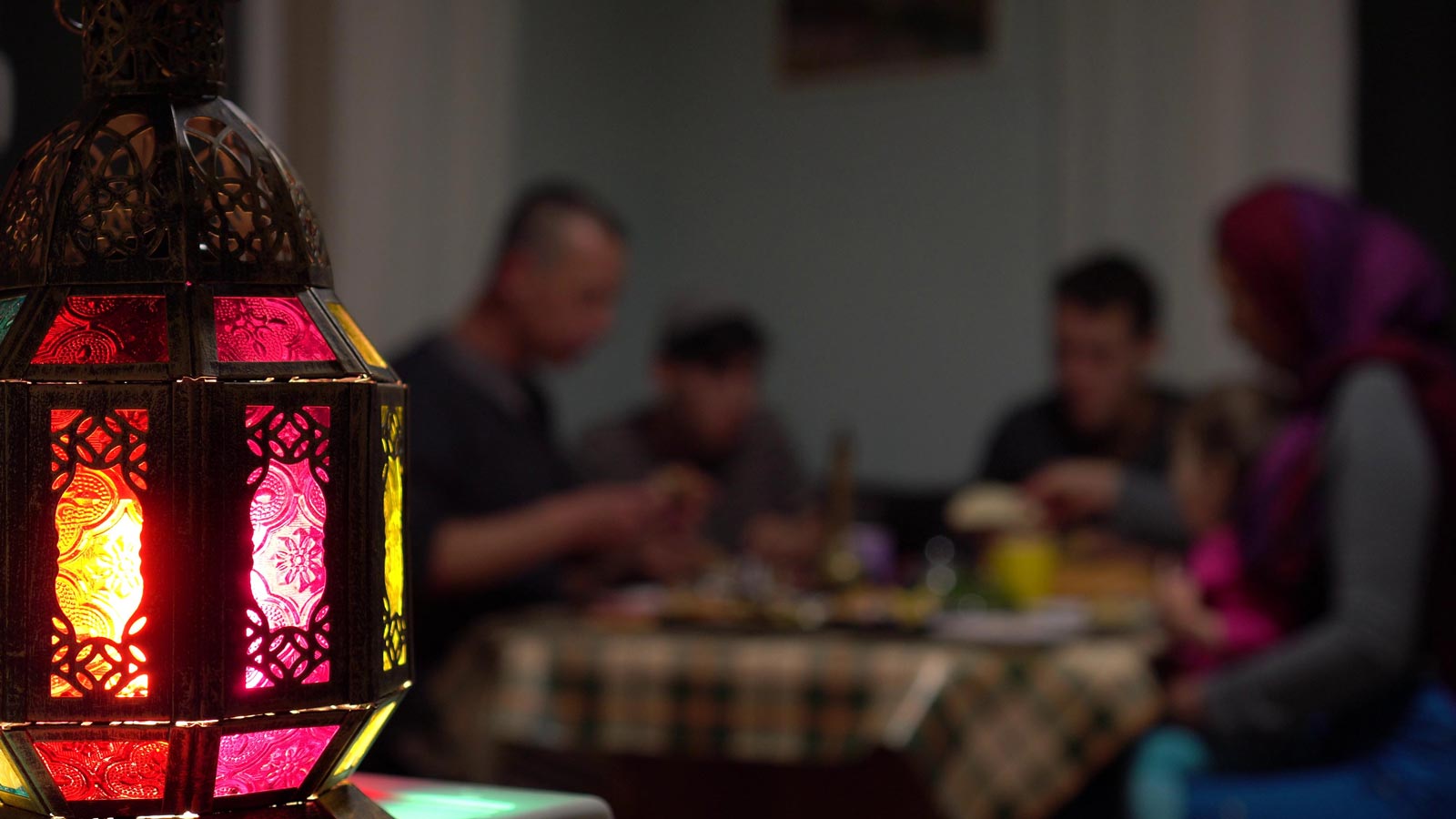
In Muslim households, especially in Muslim majority countries, the children will be looking forward to the coming of Ramadan because it is a time when they will get to see their cousins and their friends more often at family meals. They will also decorate their houses and enjoy special Ramadan foods and drinks.
The food and drink might be tasty, but they don’t realize that it is consumed in Ramadan because of the high protein value or because it helps maintain body sugar levels.
For other family members, the time leading up to Ramadan is a time to sweep out the house and get it clean and tidy. This is actually an image of what Ramadan is all about. It is a time to sweep out our spiritual house of all the dust and the cobwebs that have accumulated over the past year, welcoming Allah once more into our hearts with renewed vigor.
The Month of Prayer
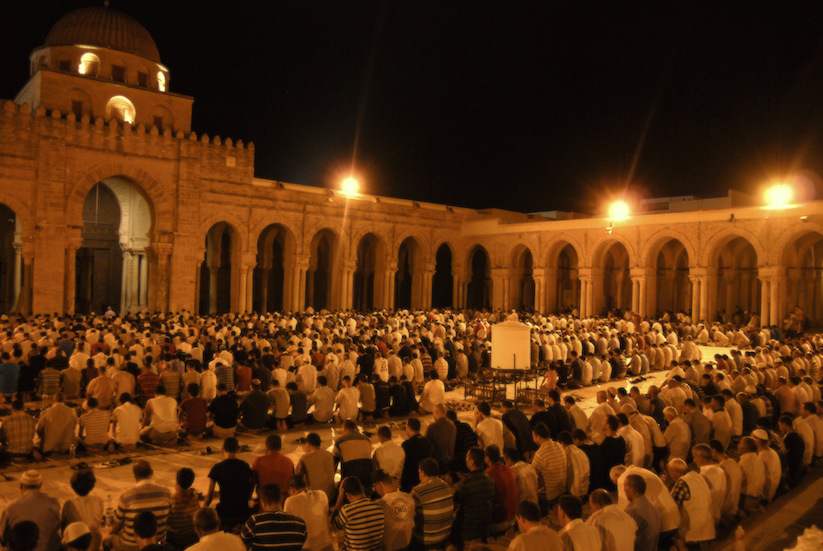
Muslims will devote extra time to prayer by spending more time on their own in prayer, maybe late at night.
Ramadan becomes a time when Muslims re-commit themselves to what they believe. It is a time when they re-establish that firm bond with their Creator that can only be achieved by prayer. It is, in fact, a time to turn back to Allah.
The Month of the Quran
Ramadan is also the month, beyond all others, of the Quran. It was during the month of Ramadan that the first verses of the Quran were revealed to Prophet Muhammad (peace be upon him).
In every subsequent Ramadan, he recited the whole of the Quran together with the Angel Jibril. It is in Ramadan, therefore, that Muslims try to recite the whole of the Quran and to learn from its verses.
A Time to Think about Others
Fasting in Ramadan helps Muslims to be more aware of others around them. The feeling of hunger is a good way to concentrate the mind. Being constantly hungry or thirsty prompts Muslims to think of those people who are less fortunate than they are.
It is a fact that although most Muslims will break their fast with a special meal (known in Arabic as Iftar), most often in the company of their family and friends, there are others in the world whose hunger will not end with the Call for the Sunset Prayer.
Ramadan helps us remember that many in our world are dying of hunger and thirst while we have plenty to eat and drink.
It is for this reason that many Muslims give generously in Ramadan and that Muslim charities exert their greatest efforts in raising money to help the poorest.
Time for Gratitude

One other effect of fasting and, in consequence, concentrating the mind is to help Muslims remember all the blessings they have. They will have thought about those less fortunate than they are, but they will also have plenty of time to reflect on all the good things they enjoy in life, often without giving them a thought.
Ramadan, then, is a time to thank Allah for all of life’s blessings, for family, for good health and well-being. It is a time to remember that Muslims in other countries, such as Palestine, live under oppression and are denied basic human rights, whereas others live in freedom and do not go in fear of their lives.
All of these things help Muslims in Ramadan to remember how they are united as brothers and sisters to other Muslims around the world. Calling one another brothers and sisters is not just a nice idea. It is a fact that Muslims really are brothers and sisters to other Muslims in the world.
Cleansing the Body
Finally, doctors have repeatedly told us the benefits to the body of fasting. In a world where people have become very conscious of the things they eat and drink, fasting is a very natural way of cleansing the body from all the harmful toxins it has accumulated over the year.
It is perhaps for all of these reasons and more that Allah Almighty has decreed that Muslims should fast in Ramadan. Human nature is such that, even with the best will in the world, we would not voluntarily do all of these things without a little prompting.
It is a good thing, for example, to think of the poor in our midst, but sometimes we need a little reminder to do so. It is good that we recite the Quran, but we sometimes need to be reminded just how good it is.
Conclusion
So all of the things we have listed are the benefits of fasting in Ramadan. By fasting in Ramadan Muslims are helped to become better people, in fact better Muslims. But the reason they fast is not because of benefits.
In the verse we quoted earlier, Allah does not say that if we fast we will gain this or that. He does not say that if we fast during Ramadan we will have deep spiritual experiences and feel better. In fact, there are no promises at all. The verse is clear. We are told to fast, and in doing so we will learn taqwa, or piety.
Ramadan, then, is not a diet lasting the whole month. It is not a punishment for wrongs we may have done. Fasting in Ramadan is yet another of the many blessings our Creator has given us. Muslims fast in Ramadan because their Creator tells them to. He knows more about us than we know about ourselves, so Muslims respond to His command with joy.
(From Discovering Islam’s archive)
The post Why Do Muslims Fast Ramadan? Is it a Punishment? appeared first on About Islam.
source https://aboutislam.net/reading-islam/understanding-islam/why-do-muslims-fast-a-whole-month-is-ramadan-a-punishment/


Comments
Post a Comment