Mainstream Media Ruined My Reality of Love – A Recovery Story
At the age of 10, my mom told me, “You are what you consume, so be careful what you fill your head with.”
I didn’t take my mom seriously. It’s just a comic book about Archie falling in love with Betty. I know they aren’t Muslim but I am aware of what Islam says about love and marriage.
I scoffed at her advice. It didn’t make sense to me at that age that the continual consumption of mainstream media without any representation of my identity would later affect my love life. Eventually I saw how mainstream media ruined my reality of love.
The Oft Advice
“If two people are alone the third person is shaytan… Keep your chastity till marriage… Stay away from anything that will lead to Zina” The stern warning of my mother and that of my teachers at the weekend Islamic school would often ring in my head every time I got to know someone. In theory, every Muslim should follow these guidelines but in reality that’s not the case.
As I got older and interacted with Muslims from various backgrounds, I realized that what I considered basic understandings when it comes to getting to know someone were not the same understandings among many Muslims. Sometimes even I was a culprit to that sort of laxity.
The Reality
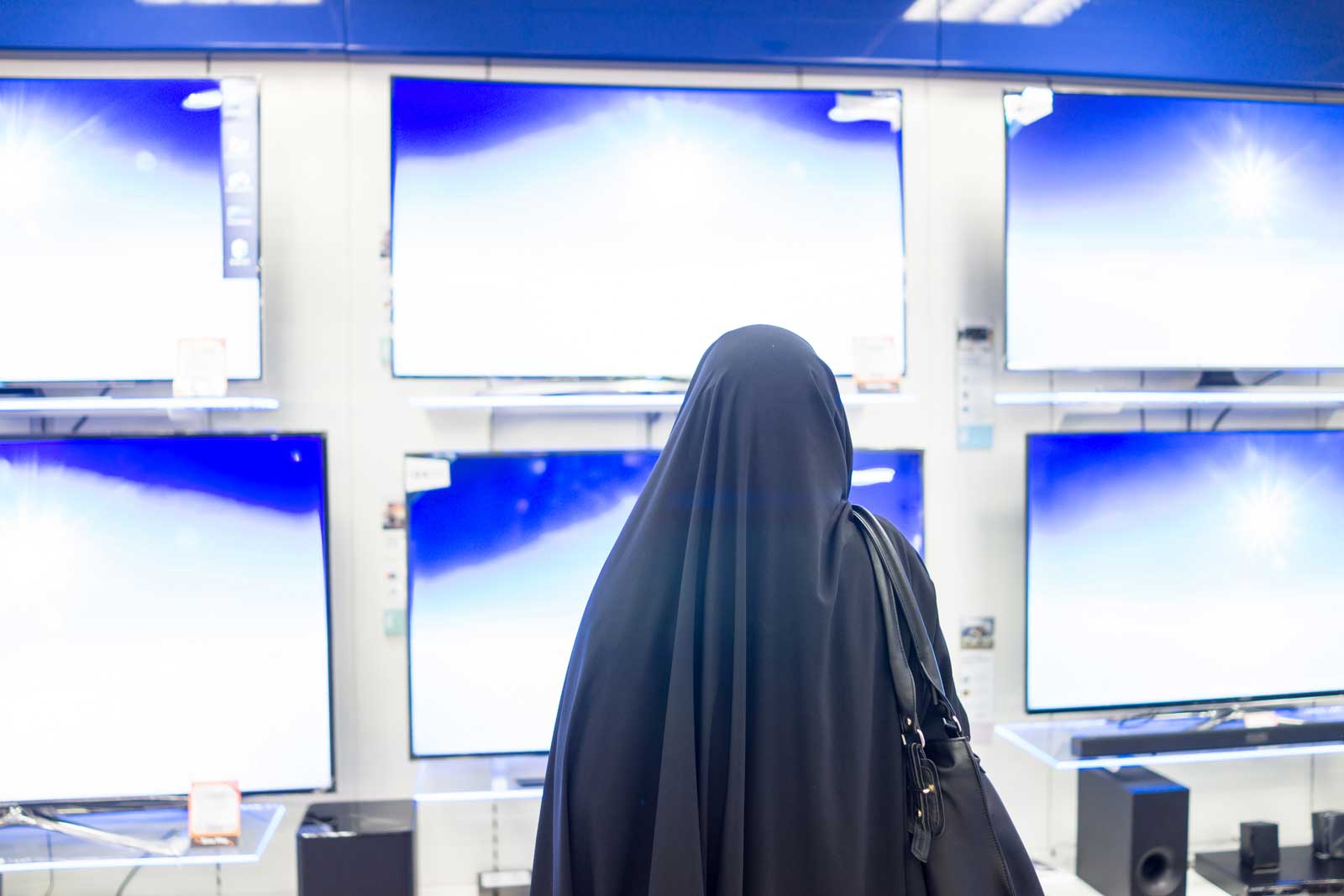
With societal pressures, cultural expectations, and poor connection between us and our religion, we face challenges holding on to our Islamic values. Part of the problem is that we are bombarded with mainstream expectations of love from the media without any representation of who we are as Muslims. Another issue is that our Islamic communities don’t speak our language.
Why do we as teenagers, and adults pay attention to mainstream media?
It’s because, generally it highlights environments that we recognize, challenges we face today and in our daily lives. And when it comes to issues of love, mainstream media is all over them!
Mainstream media covers every aspect of love to the minute details, like where to meet a guy, how to make a guy notice you, how to prepare for your first date, when to have your first kiss, what to do when a guy/girl is ignoring you, how to handle a break up, you name it!
These suggestive ways of dealing with love are in your face, repeatedly! It’s on television, it’s in books, it influences school, and work. I grew up watching Chick Flick with all the romance and dating topics fully covered from non-Muslim perspectives.
Finally I found a show about a woman who promises her Grandmother and God to stay a virgin until she gets married. It’s a hilarious show that tackles the challenges of keeping your virginity today, how she navigates that, all with the twists and drama of a telenovela.
It was a show I could somewhat relate to as a Muslim, “What would X do?” I found myself subconsciously trying to solve my problems from what I had seen in a movie or show.
From the warnings of our parents or Islamic teachers ringing in our heads to the visual romanticized representation of love in the media playing in our minds, Muslims today are at a crossroad. The truth is that we are still trying to figure out love and healthy relationships.
In our communities the courting stage is almost a guessing game. “Mariam got engaged”. Surprise! You’ll see these kinds of posts every couple of months on your facebook page, followed by the congratulatory comments.
What isn’t often discussed is how Mariam met her partner. Sometimes, even Mariam’s close friends could be spared of the courting details. No one in our community wants to talk about how they met.
Some of the reasons for this is the “evil eye” and most of it is judgement from friends or from the community. And I don’t blame them. There are more lectures that speak about the ways we can fall into zina or haram relationships than steps on how to be in a healthy halal relationship with today’s circumstances.
We don’t even talk about sex, sexual expectations between marital partners in the negotiation stages, etc. Talking about the step by step guide to pre-marriage, marriage, post marriage, and divorce are taboo topics. They shouldn’t be! Maybe we could skip that last topic more often if we covered the others.
Let’s Just Talk About It!
We as Muslims need to talk more in detail about relationships especially in the media. Muslims need real representations of romance and how to navigate it in today’s modern society.
Some may argue that all these details of love are in the Qur’an, Hadeeth, or in Islamic books but if we don’t repeatedly showcase these points into simple non-threatening steps in video formats, modern books, social media and so on we will constantly stay confused about our identity.
It was refreshing to read Does My head Look Big in This? by the Australian Author Randa Abdel-Fattah. This is a book about a teenager battling her Muslim identity and the Australian societal expectations. It covered topics I could relate to as a teenager like asking your parents to go out with friends, dealing with non-muslim guys asking you out, etc.
When I finished reading this book, I wanted more, more stories of Muslims told by Muslims. Does My Head Look Big in This? came out in 2005 but at that time there weren’t television shows or movies portraying Muslims in a normalized way.
14 years later, Ramy came out on Hulu. Ramy is a show that showcases the struggles of a young Egyptian-American adult living in New Jersey. It highlights the double standards towards guys and girls from Muslim Arab homes.
Although there are many discussions for and against this show, I personally think that it is a good start. When shows like Ramy get great responses there will be a push for more Muslim stories. Until then, we should encourage stories being told by Muslims from diverse backgrounds.
I can go on and on about what we are lacking but where would that lead us? Here are five ways we can start to make a change in our communities:
Presenting Muslim Love Back to Ourselves
1 – There should be more video or online discussion about all stages of relationships among Muslims and the struggles we go through.
2 – We should avoid using fear tactics when trying to guide the Muslim youth. Instead we should talk about the benefits, step by step process, and lessons learned from making a certain decision.
3 – Communities should hire imams that connect with the youth.
4 – Muslims should be encouraged to tell their stories in whatever platform available. In addition, we should learn not to judge the storyteller with our own biases.
5 – Being a doctor, lawyer, engineer, or other profession is great, but let’s not box ourselves into a few professions. We should strive for every careers or professions out there that allow our voices heard, such as supporting Muslim media makers.
Surely there are a couple of things on this list you can do to help our youth have healthier relationships than those currently broadcasted to them.
The post Mainstream Media Ruined My Reality of Love – A Recovery Story appeared first on About Islam.
source https://aboutislam.net/uncategorized/mainstream-media-ruined-my-reality-of-love-a-recovery-story/


Comments
Post a Comment